
You are running late for the bus when the plastic lid on your travel mug pops loose. A dark brown puddle blooms across the front of your crisp white button down shirt. You grab a rough paper towel and scrub the wet fabric aggressively in the office bathroom. This panic reaction actually drives the dark liquid deeper into the fibers and guarantees a permanent mark. Knowing how to remove coffee stains quickly can save the shirt.
Knowing exactly how to remove coffee stains saves your favorite clothes from the trash bin. You do not need expensive dry cleaning to lift these dark spots. A solid routine works perfectly in a cramped apartment bathroom. You just need a basic understanding of fabric care and a few cheap supplies.
The golden rules to remove coffee stains fast
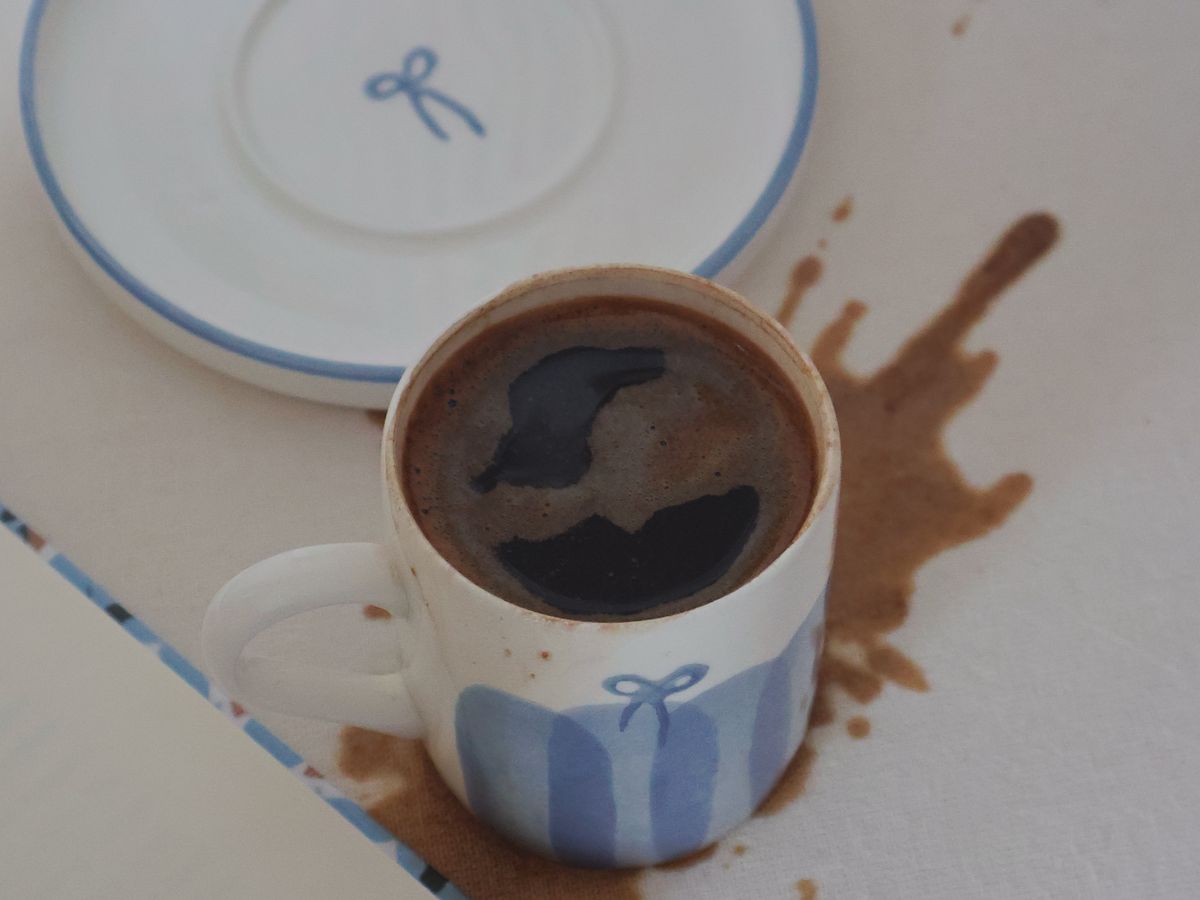
Timing dictates everything when you remove coffee stains from dark liquids. A fresh spill takes five minutes of active work to fix. If you leave that exact same spill sitting in your canvas hamper for a week, it takes an entire afternoon to lift. You must act the second the spill happens.
Never apply hot water to a fresh spill. Hot water cooks the natural plant tannins directly into the fabric threads. Always use cold water straight from the tap between 60°F and 70°F. Flush the fabric from the back side so the dark liquid pushes out the front.
You must also stop rubbing the fabric. Scrubbing a wet shirt damages the fibers and spreads the liquid outward. Use a clean white paper towel to blot the area by pressing straight down. Lift the towel away to absorb the moisture without grinding it into the garment.
Building a small space treatment kit
To remove coffee stains at home, apartment living means you lack space for a dozen bulky plastic bottles. You only need three versatile items to successfully remove coffee stains from almost any shirt. These basics fit perfectly under a tiny bathroom sink. Keep them together in a small plastic caddy.
Stock your cabinet with plain white vinegar, a liquid enzyme detergent, and a tub of powdered oxygen bleach. A large bottle of vinegar costs roughly $3 and works as a mild natural acid. The enzyme detergent costs around $12 and breaks down the milk proteins mixed into your morning latte.
If you want to expand your compact setup further, check out our guide on getting grease and oil stains out of clothes. A simple minimal kit handles everyday messes without cluttering your limited shelving. Keep a soft bristled toothbrush in the caddy for gently working soap into heavy denim.
The exact steps for cotton and polyester
When you remove coffee stains, standard everyday fabrics hold up well to basic friction and mild acids. You can treat your jeans, cotton shirts, and polyester blends right in your bathroom sink. Follow this specific sequence for the best results on durable clothing.
- Flush with cold water: Hold the spotted fabric directly under a running cold tap for two minutes. Let the water push heavily through the back of the material.
- Apply liquid enzyme detergent: Rub exactly one teaspoon of clear liquid soap gently into the spot using your bare fingers. Let it sit undisturbed for 10 minutes.
- Create a vinegar soak: Mix one cup of white vinegar with two cups of cold water in a plastic basin. Submerge the treated section completely for 30 minutes.
- Rinse and inspect: Rinse the garment thoroughly under cold water. Hold it up to a bright light to ensure no brown shadow remains inside the weave.
If the spot looks completely gone, you can wash the item normally. If you still see a faint yellow outline, you must repeat the entire process before the fabric dries.
Tackling older dried spills
Sometimes you miss a spot until wash day arrives. Dried brown spots require heavy lifting because the liquid has permanently bonded to the threads. You must rehydrate the fibers and break down the hardened plant tannins using oxygen.
Fill a large plastic bucket or your kitchen sink with one gallon of warm water around 100°F. Add two tablespoons of powdered oxygen bleach and stir until the powder dissolves completely. Submerge the entire garment and leave it soaking for at least four hours.
For a broader look at treating tough dried marks, our ultimate stain removal chart provides specific soaking times for different chemical compounds. Always check the area after the soak finishes.
How to safely treat delicate knits and silk
You cannot use aggressive friction on fragile animal fibers, which is why silk and delicate care follows different rules. Scrubbing a wet wool sweater causes the microscopic scales to lock together permanently. The fabric will felt and shrink instantly. Using the wrong technique to remove coffee stains from delicates will ruin the garment forever.
Skip the vinegar entirely when treating animal fibers. Lay the garment flat on a clean dry towel. Mix one drop of clear dish soap with one cup of cold water in a small glass bowl.
Dip a clean white cloth into the soapy water and dab the spot gently. Press straight down repeatedly until the brown color transfers onto your cloth. Rinse the area by dabbing it with plain cold water until the soap is completely gone.
Dealing with milk and sugar additives
Black coffee is just a mix of water and plant tannins. Once you add milk and sugar, the spill becomes much more complicated. You are now dealing with sticky carbohydrates and heavy animal proteins.
Proteins require enzymes to break down effectively. If your drink contained milk, you must use a heavy duty enzyme detergent. Do not skip the 10 minute soap resting phase. The enzymes need that exact amount of time to eat through the fat and protein barrier.
If the spill feels stiff or crunchy after it dries, the sugar has crystallized inside the fabric. Flush the area with warm water around 90°F to melt the sugar crystals first. Once the fabric softens, immediately switch back to cold water to treat the underlying dark mark.
The danger of heavy chemical cleaners
Desperation sometimes leads people to grab the strongest bottle in their laundry closet. Heavy chemicals destroy fabric fibers rapidly. Using strong liquids incorrectly poses a massive safety risk in poorly ventilated apartment spaces.
You might consider using liquid chlorine bleach on pure white cottons. If chlorine bleach is mentioned or used in your routine, you must strictly follow baseline safety protocols. You must NEVER mix chlorine bleach with ammonia, vinegar, or other household cleaners. Combining these common household chemicals creates a highly toxic, potentially lethal gas.
The EPA Safer Choice recommends sticking to color safe oxygen bleach for organic spills. It lifts the dark tannins effectively without compromising your safety or ruining your colored dyes. Reviewing the safety database from the EPA Safer Choice program helps you pick effective cleaners without bringing dangerous toxins into your small home.
Washing and drying your garments after you remove coffee stains
The treatment phase breaks down the dark particles. The washing machine actually carries those particles away. You must use the correct machine settings to finish the job safely.
Wash the treated garment alone or with a very small load to ensure maximum water flow. Select the delicate or permanent press cycle on your machine. Set the water temperature dial to cold to prevent any microscopic remaining particles from baking into the threads.
Never put a treated garment into a mechanical tumble dryer until you are absolutely positive the spot is gone. The 135°F heat inside a standard dryer cooks organic residue permanently. It turns a faint shadow into a permanent dark yellow mark that you can never wash out.
Always opt to air dry the item on a folding wooden rack first. If you need help picking the right drying method for your specific items, reviewing Air drying vs machine drying: what’s best for each fabric will guide your decision. Once the fabric dries completely on the rack, you can verify the spill is truly gone.
Keep a small bottle of white vinegar and clear liquid detergent under your bathroom sink so you never have to search for supplies during a panicked morning. Flush your next spill immediately with cold water and apply soap before the liquid dries. Following these strict steps will remove coffee stains completely and keep your wardrobe looking sharp.

Felipe Amaral writes about laundry and clothing care for real life — small apartments, busy weeks and clothes you actually want to last. Based in Denver, Colorado, he’s made every laundry mistake in the book so you don’t have to.