
There is a special kind of heartbreak in pulling your favorite sweater out of the dryer two sizes smaller. You stare at this tiny garment, realizing a simple mistake just cost you a good piece of clothing. We have all been there. It usually happens when you rush instead of doing laundry right and dump everything into one machine.
Mastering the basics of doing laundry right saves your clothes and keeps money in your pocket. You do not need a massive utility room or expensive products to see immediate results. A solid routine works perfectly well in a cramped apartment or a shared basement. You just need to follow a few core rules.
The foundation of doing laundry right: sorting matters
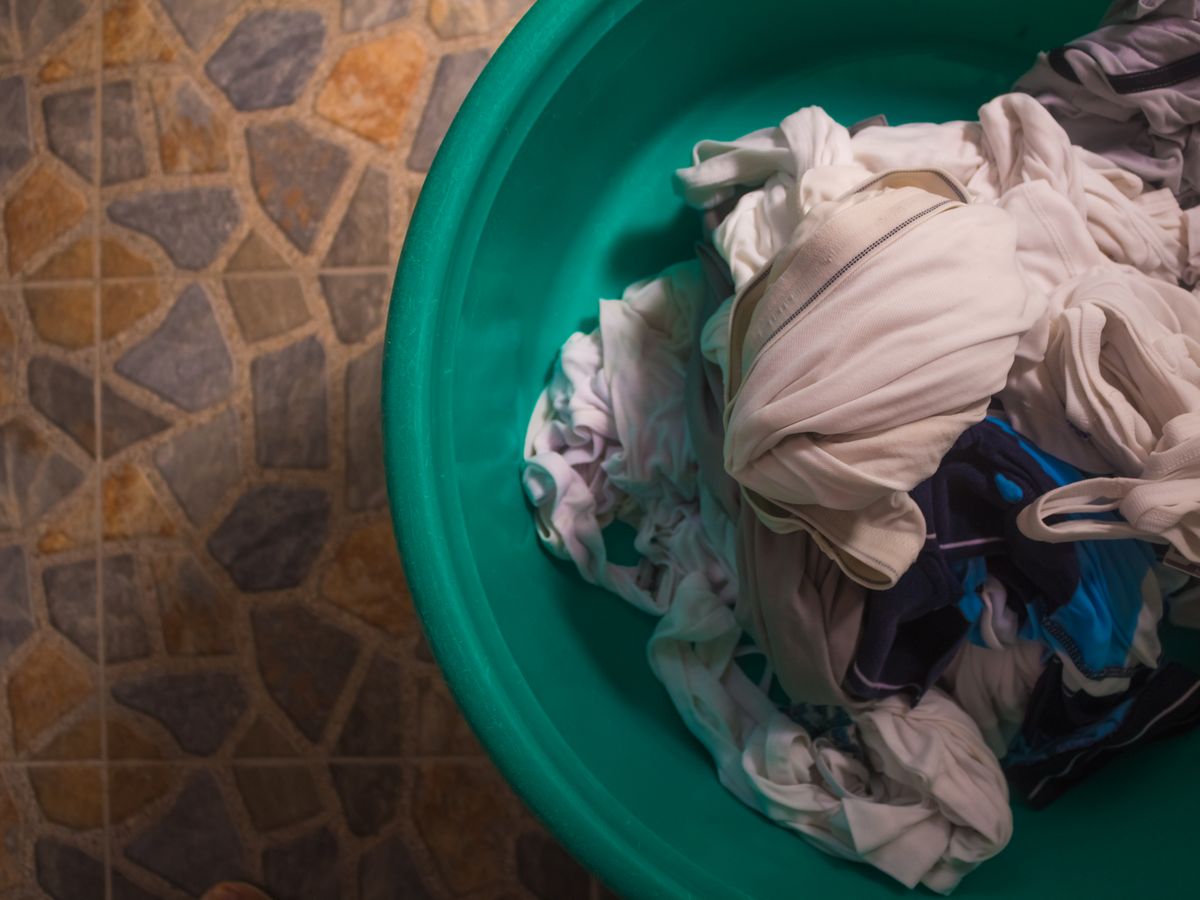
Throwing everything into the drum at once is a fast way to ruin fabrics. Dyes bleed in the wash. Heavy fabrics act like sandpaper against fragile ones. You must separate your loads to protect your wardrobe over the long haul.
Start by dividing your pile into three basic color categories. Whites go in one pile, light colors in another, and darks in a third. If you live in a small space, use a collapsible three-bag hamper to sort as you undress. This eliminates a major sorting step on wash day and keeps your bedroom floor clear.
Next, separate by fabric weight and texture. Keep heavy denim and thick bath towels away from thin cotton t-shirts. Heavy items need longer wash times and more agitation to get clean. Mixing them with delicate fabrics causes premature wear and tear on your lighter garments. If you are unsure about handling these different piles, reading our guide on Hot, warm or cold? Picking the right water temperature for every load takes the guesswork out of the process.
Prep your garments before they wash
Sorting is also the time to prep the clothes for the machine. Empty every pocket completely. A forgotten tube of lip balm or a stray ink pen will destroy an entire load of clothing.
Zip up all zippers and hook all bras before tossing them in. Open metal teeth will snag and tear other garments during the spinning phase. Turn your graphic t-shirts and dark jeans inside out. This protects the printed designs from cracking and keeps the dark dye from fading against the machine walls.
Picking the correct water temperature
Water temperature dictates how well your detergent works and how your fabrics react. Defaulting to hot water for everything is a terrible idea. Hot water fades your darks, sets protein stains, and shrinks cotton fibers. Modern detergents are formulated to perform exceptionally well in cooler water.
Cold water sits between 60°F and 80°F, and picking the right water temperature is one of the biggest levers you have. This is your default setting for dark colors, bright synthetics, and delicate items. According to the EPA WaterSense laundry products, washing in cold water protects fabrics from shrinking while sharply reducing energy consumption.
Warm water ranges from 90°F to 110°F. Use warm water for moderately soiled everyday clothes, like jeans and cotton blends. Hot water hits 130°F or higher. Reserve hot water strictly for heavily soiled items, bedding, and white cotton towels that need deep sanitizing.
Detergent rules for doing laundry right
More bubbles do not equal cleaner clothes. Using too much detergent actually traps dirt and body oils in the fabric. The excess soap creates a layer of residue that makes your clothes feel stiff and smell musty.
Two tablespoons of liquid detergent is the absolute maximum amount you need for a normal load. If you use a high-efficiency machine, you can drop that to just one tablespoon. A standard bottle of liquid detergent costs around $12 to $15. Measuring properly stretches that bottle for months, saving you cash.
You can learn more about finding the exact measurement in our detailed breakdown of how much detergent you actually need. Stick to a basic enzyme detergent. Avoid fabric softeners entirely. Softeners coat your garments in a waxy film that reduces breathability and traps odors over time.
Understanding the machine cycles
Your washing machine features multiple cycles to handle different fabric stresses. Each cycle changes the speed of agitation and the length of the wash. Picking the correct cycle prevents your clothes from getting stretched or battered.
If you use a shared laundromat or apartment machine, you might only see a few basic options. Here is a breakdown of the most common options:
- Normal: Uses fast agitation during the wash and a fast spin cycle. Best for sturdy cottons, t-shirts, and everyday underwear.
- Permanent Press: Uses fast agitation but a slow spin cycle. This helps prevent wrinkles in synthetic fabrics like polyester.
- Delicate: Uses slow agitation and a slow spin cycle. Ideal for thin fabrics, loosely woven sweaters, and activewear.
- Heavy Duty: Extends the wash time with fast agitation. Use this only for heavily soiled work clothes or thick towels.
Place small or fragile items inside a mesh laundry bag before starting the cycle. A good mesh bag costs about $5 and extends the life of your undergarments significantly. This small extra step is a huge part of doing laundry right for delicate items.
A crucial note on stain removal and safety
Pre-treating stains is non-negotiable if you want your clothes to last. Most food and sweat stains respond well to a basic enzyme stain spray. Just apply the spray, let it sit for 15 minutes, and wash the garment as usual.
For tough stains on white cotton, you might reach for oxygen bleach or chlorine bleach; our ultimate stain removal chart covers the right treatment for each type. Oxygen bleach is color-safe and works gently over a few hours of soaking. Chlorine bleach is highly aggressive and should only be used on pure white cottons.
If you use chlorine bleach, you must follow strict safety protocols. You must NEVER mix chlorine bleach with ammonia, vinegar, or other household cleaners. Combining these chemicals creates toxic, potentially lethal gas. Always use bleach exactly as directed on the bottle, strictly in a well-ventilated area.
Handling activewear and modern fabrics
Workout clothes require special attention. Spandex, elastane, and nylon trap sweat and body oils differently than natural cotton. If your gym clothes still smell bad after washing, you need to adjust your method.
Always wash activewear in cold water on the delicate cycle. Hot water breaks down the elastic fibers, causing your expensive leggings to stretch and sag. Never use fabric softener on these items. The softener coats the moisture-wicking fibers, trapping the gym smell permanently inside the fabric.
To neutralize lingering odors, add half a cup of plain white vinegar to the rinse cycle. The vinegar strips away trapped oils and soap residue. Focusing on these details makes doing laundry right much easier for athletic gear.
Drying strategies for apartment dwellers
Drying is a big part of doing laundry right, and machine drying is incredibly tough on fabrics. The high heat bakes the fibers, and the tumbling action weakens the threads. That lint in the dryer trap is actually microscopic pieces of your clothing tearing away.
Air drying is the gentlest method. It preserves elastic in activewear and keeps cotton shirts from shrinking. If you live in a tiny apartment, a folding wooden or metal rack is a great investment. You can find sturdy models for $25 to $40 that fold flat under a bed.
When you must use the dryer, select the low heat setting. High heat is only necessary for thick items like heavy towels or bedding. Remove your clothes while they are still slightly damp to the touch. Hang them immediately to prevent wrinkles and let the remaining moisture evaporate naturally.
The habit of doing laundry right
A huge pile of dirty clothes feels overwhelming. Letting it pile up for three weeks makes the task take all day. The secret to keeping this chore manageable is establishing a weekly routine.
Doing laundry right also means picking one day a week for your primary wash day. Sunday mornings or Tuesday evenings often work well. Sort your clothes the night before. Gather your detergent, mesh bags, and payment cards so everything is ready to go. You can streamline this process by figuring out How to set up a laundry corner in a small apartment, even if you just have a tiny closet.
When the load finishes, take it out immediately. Leaving wet clothes in the drum invites mildew and sour smells. Fold or hang the items as soon as they are dry. This final step prevents wrinkles and keeps your small space organized. Consistently following this workflow is the true secret to doing laundry right.
Troubleshooting common machine problems
Even with a good routine, things occasionally go wrong. You might pull a load out and notice white streaks on your dark jeans. This usually means the machine was overloaded or you used too much powder detergent.
To fix this, rinse the garment in cold water and run it through a quick wash cycle without any soap. Moving forward, leave at least a hand-width of space between the clothes and the top of the machine drum. Water and clothes need room to move.
If your clothes smell musty right out of the wash, your machine might be dirty. Front-loading machines in apartment buildings are notorious for this issue. Wipe down the rubber gasket inside the door before you load your clothes. Run a cycle with a washing machine cleaner tablet once a month to clear out buildup.
Upgrading your supplies over time
You do not need an aisle full of plastic bottles to keep your clothes clean. A minimal toolkit is easier to store and works better. Stick to the essentials and ignore the flashy marketing campaigns.
Your laundry kit should include a liquid enzyme detergent, a basic stain spray, and a box of oxygen bleach powder. Add a set of wool dryer balls to replace liquid fabric softener and dryer sheets. Wool dryer balls cost around $15 for a pack of three. They bounce around in the drum, separating fabrics and cutting drying time by 10 to 15 percent.
Keep a small sewing kit handy for loose buttons or small tears. Fixing a loose button takes five minutes and saves a $40 shirt. Treat your clothing care toolkit like an investment in your wardrobe. Building a reliable kit helps with doing laundry right every time you wash.
Start by cutting your detergent amount in half on your very next load. Measuring the soap precisely is the easiest first step toward doing laundry right. Your clothes will feel softer, your colors will stay sharp, and you will stop throwing money down the drain.

Felipe Amaral writes about laundry and clothing care for real life — small apartments, busy weeks and clothes you actually want to last. Based in Denver, Colorado, he’s made every laundry mistake in the book so you don’t have to.