
When I moved into a 500-square-foot apartment with no laundry hookups I could see, I spent a whole weekend convinced I was doomed to the laundromat forever. Then I actually measured the bathroom, checked the outlets, and realized a portable washer would slide right under the counter. The right small space washer is almost never the biggest one; it is the one that fits your exact room, plumbing and habits.
Stacked units, all-in-one combos and portable washers each solve the small space washer problem differently. Picking the right small space washer comes down to your square footage, your hookups and how much laundry you actually do. Here is how to choose without regret or wasted money.
Measure Before You Fall in Love
Every good decision starts with a tape measure. Note the width, depth and height of the space, and remember to leave a few inches behind the unit for hoses and venting.
Also measure your doorways and hallways. A machine that fits the nook but not the path to reach it is a costly mistake I have watched friends make more than once.
Sketch the space on paper with the measurements marked, or use painters tape to outline the footprint on the floor. Seeing the actual size where the machine will sit reveals clearance problems, like a door that will not fully open or a cabinet you can no longer reach, before you have spent a cent.
Finally, check what utilities you actually have: a 120-volt or 240-volt outlet, hot and cold water lines, and a drain. Your available hookups narrow the field faster than anything else.
Do not overlook the floor and the load path either. A full washer sloshing dozens of pounds of water needs a solid, level surface, and an upper-floor apartment may have weight or vibration concerns. If you rent, a quick note in your lease or a chat with the landlord about permitted appliances can save a headache later.
Stacked Washer and Dryer
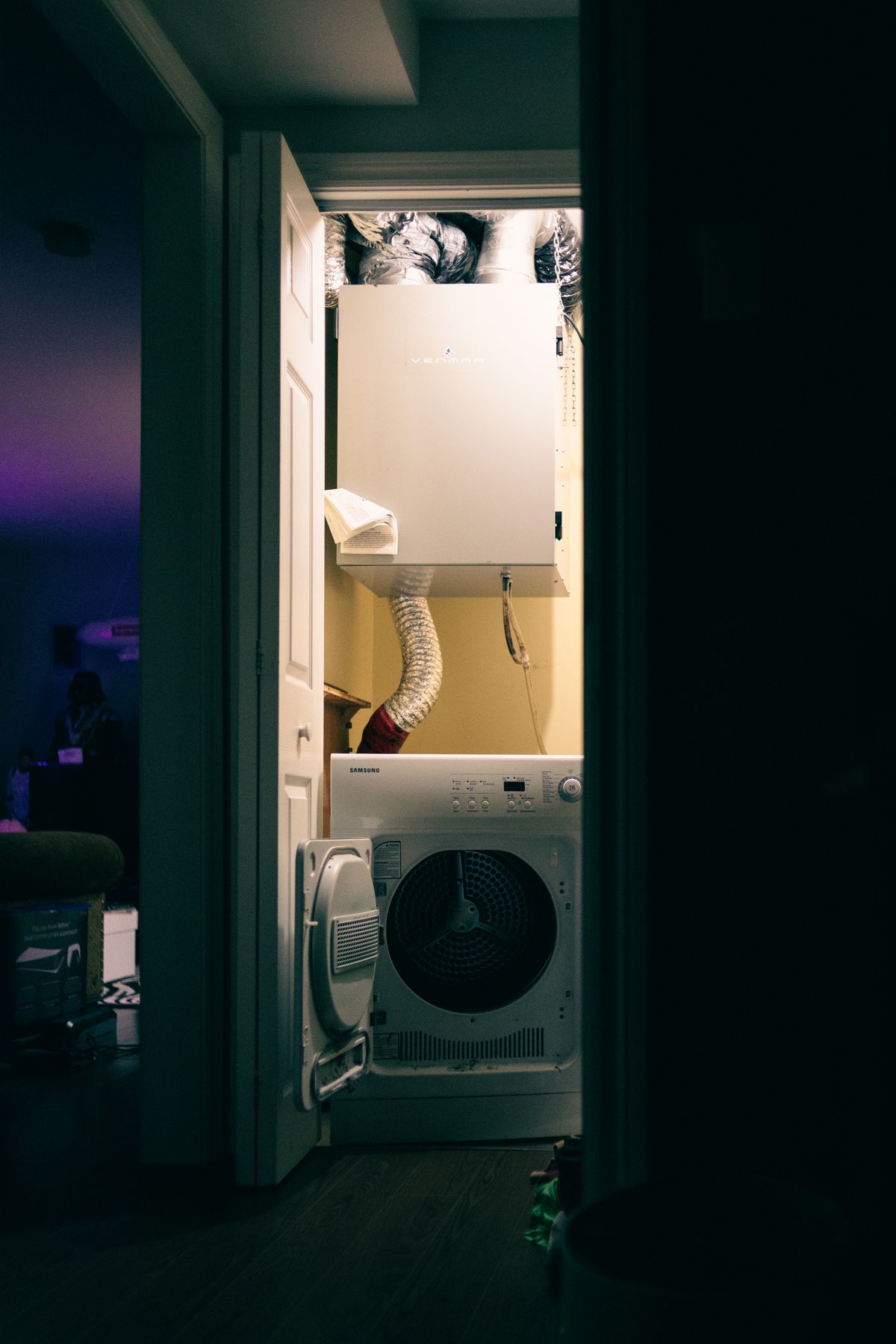
A stacked set puts a full dryer on top of a full washer, using vertical space instead of floor space. It is the closest thing to a standard laundry room you can fit in a closet.
Stacked units need proper hookups: dedicated water lines, a drain and, for most dryers, either a 240-volt outlet or a vent to the outside. That makes them best for apartments and homes that already have a laundry closet roughed in.
Expect to spend roughly $1,000 to $2,500 for a matched pair. The payoff is full-size capacity and separate wash and dry, so you can run both at once, which suits families or anyone with steady laundry volume.
Compact stacked sets exist too, at around 24 inches wide instead of the usual 27, which squeeze into narrower closets. They cost a little more per pound of capacity but open up the stacked option for spaces that cannot take a full-size pair. If you like the idea of a stacked set but the width worries you, look specifically for these apartment-sized models.
Venting: The Detail People Forget
Traditional dryers need to expel hot, moist air, which means either an exterior vent or a window kit. In many small apartments, cutting a vent is not allowed or not possible, and this single limitation pushes a lot of people toward ventless combos or a separate condensing dryer. Confirm your venting options before you commit to a stacked set.
All-in-One Washer Dryer Combo
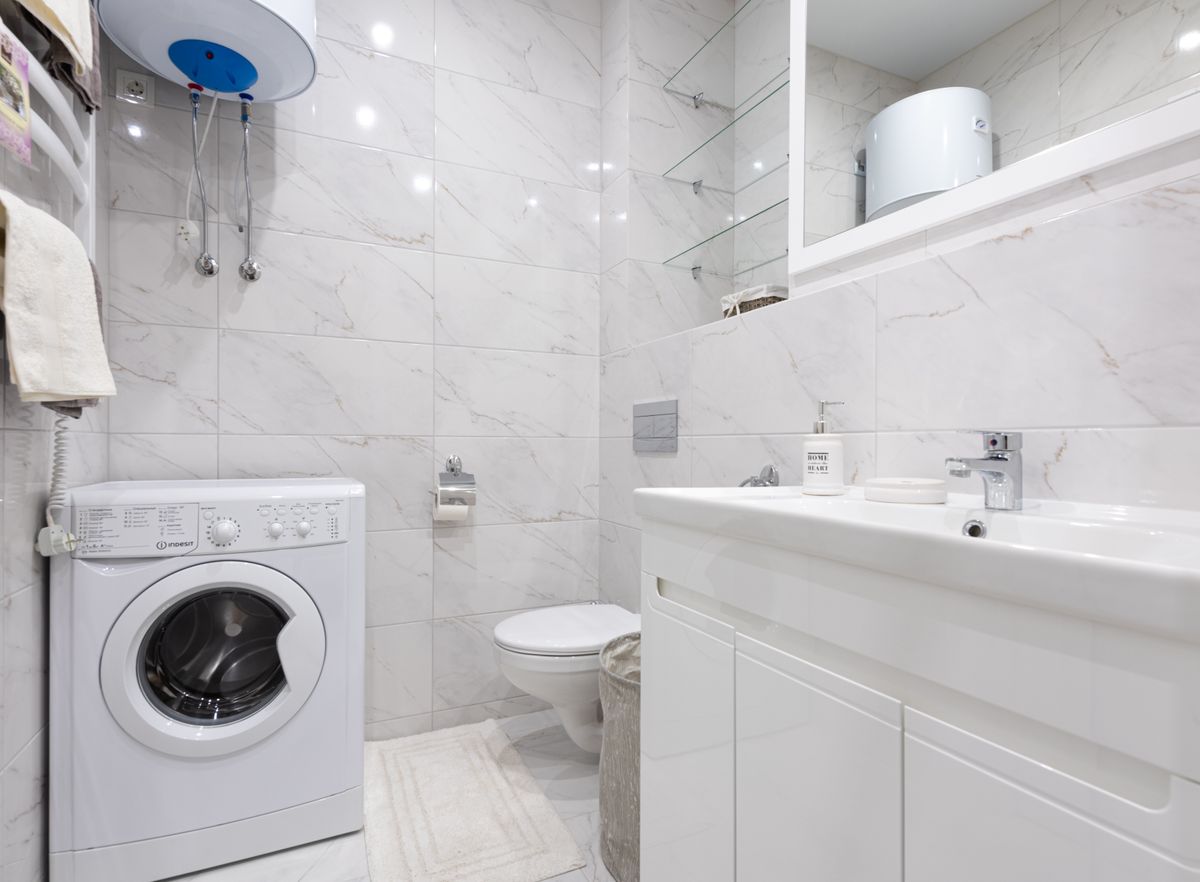
A combo washes and dries in the same drum, so one appliance does both jobs. Many are ventless, using condensation drying, which means no hole in the wall and more placement freedom.
The tradeoffs are real, though. Drying is much slower than a standalone dryer, often two to three hours, and you cannot wash a new load while the last one dries. Capacity is modest, better for one or two people than a full household.
Combos run about $1,000 to $1,800. They shine in condos and small homes with water hookups but no venting, where a single tidy unit beats juggling two machines.
One practical tip: because the drying phase runs long, start a combo load in the morning or before you leave the house, not right before bed. Treating it as a set-and-forget appliance rather than something you babysit makes the slow drying far less annoying in daily life.
Portable Washer
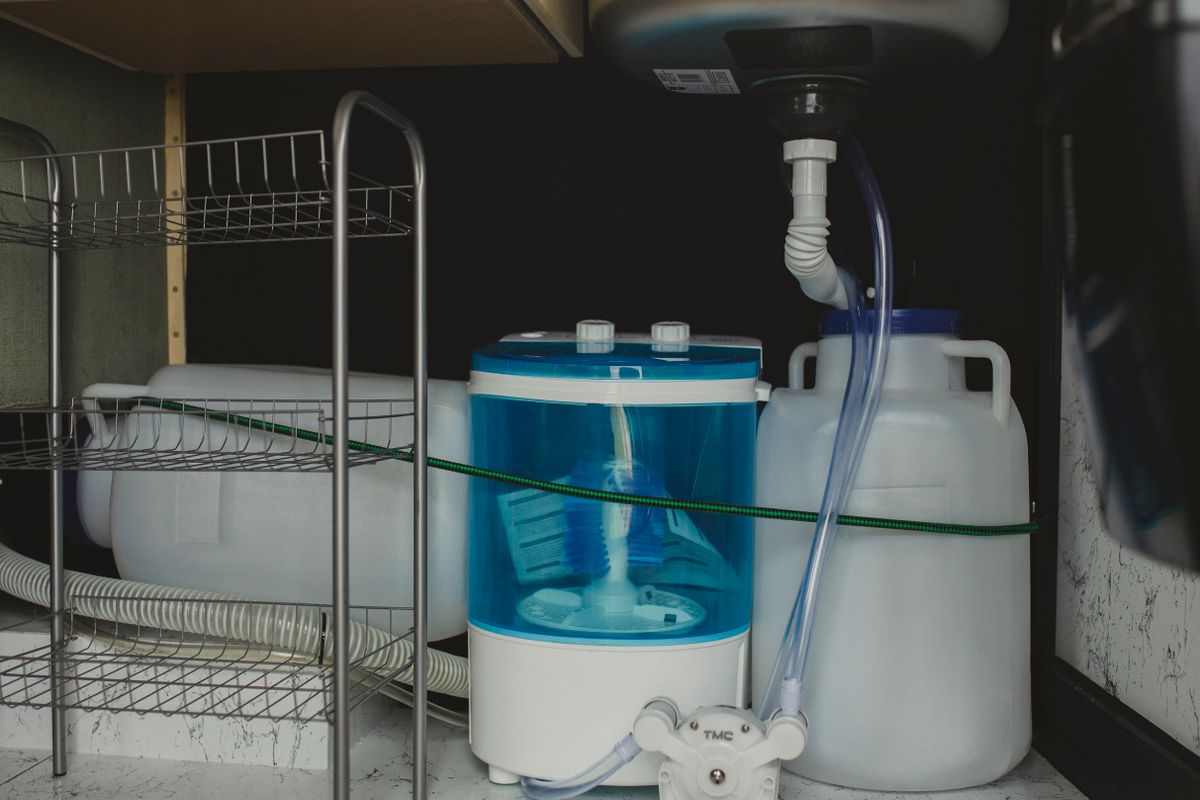
A portable washer is the renter’s best friend. It rolls on casters, connects to a kitchen or bathroom faucet with a quick adapter, and drains into the sink, so you need no permanent hookups at all.
These are the most affordable option by far, usually $150 to $400. Capacity is small, so you wash in more frequent, smaller loads, and you air dry or use a compact dryer separately.
Water pressure and faucet type matter with portables. Most connect to a standard kitchen aerator, but some faucets need an adapter, and very low water pressure can slow the fill. It is worth a two-minute check of your tap before ordering, since a mismatch is the most common complaint owners have.
For studios, dorms and rentals where you cannot alter the plumbing, a portable small space washer turns laundry day from a trip out into a quick task at home.
Storage is the catch with portables. Some people leave them parked permanently, while others roll them into a closet between washes, so factor in where the machine lives when it is not running. A model with a top that doubles as a small shelf earns its keep in a cramped kitchen.
Match the Small Space Washer to Your Life
Beyond the room, think about how you live. A quick checklist to guide the choice:
- Own your home with hookups and do lots of laundry: a stacked pair is worth it.
- Have water lines but no vent, and live alone or as a couple: an all-in-one combo fits.
- Rent, cannot modify plumbing, or move often: a portable washer is the flexible pick.
- Tiny budget or truly minimal space: a portable small space washer plus a drying rack does the job.
Be honest about volume. When you shop for a small space washer, buying big capacity you rarely fill wastes both money and space, while going too small means constant loads and frustration.
Resale and moving plans deserve a thought as well. If you expect to relocate within a year or two, a portable or a freestanding combo travels with you far more easily than a stacked pair that may not fit the next place. Renters in particular benefit from choosing a machine they can take along rather than leave behind.
Think about your weekly rhythm too. If you travel often or wear a uniform, you may do far less laundry than a household with kids or gym clothes to wash daily. Matching capacity to your real routine, not a worst-case week, keeps you from paying for space and power you never use.
Do Not Forget the Details
Noise matters in a small home where the machine sits feet from your bed or couch. Look for a low decibel rating and an anti-vibration design if quiet is important to you.
Anti-vibration pads placed under any washer are a cheap upgrade, usually under twenty dollars, that cut noise and stop a spinning drum from walking across the floor. In a small apartment with hard floors and thin walls, they make a surprising difference and protect both your machine and your relationship with the neighbors below.
Energy efficiency saves money over years, so check for an Energy Star label, especially if you pay for both water and electricity. And whatever you buy, use the right detergent and water temperature and never mix chlorine bleach with ammonia or vinegar, since the combination releases toxic gas, which the EPA Safer Choice warns against.
Your next step: grab a tape measure today, note your space and your hookups, then match those numbers to the three options above. The right small space washer is the one that fits the home you actually have, not the one with the most features.

Felipe Amaral writes about laundry and clothing care for real life — small apartments, busy weeks and clothes you actually want to last. Based in Denver, Colorado, he’s made every laundry mistake in the book so you don’t have to.