
You trip over a cracked plastic basket in the dark, sending dirty socks sliding across the hallway floor. Your clean clothes sit piled on a dining room chair for a week because there is nowhere else to put them. Building a dedicated laundry corner small apartment setup fixes this daily chaos completely.
You do not need a full utility room to process your clothes efficiently. A tight alcove or a slice of blank wall space holds everything required to keep your wardrobe clean. You just need proper vertical planning, the right compact gear, and a strict routine.
Assessing your laundry corner small apartment footprint
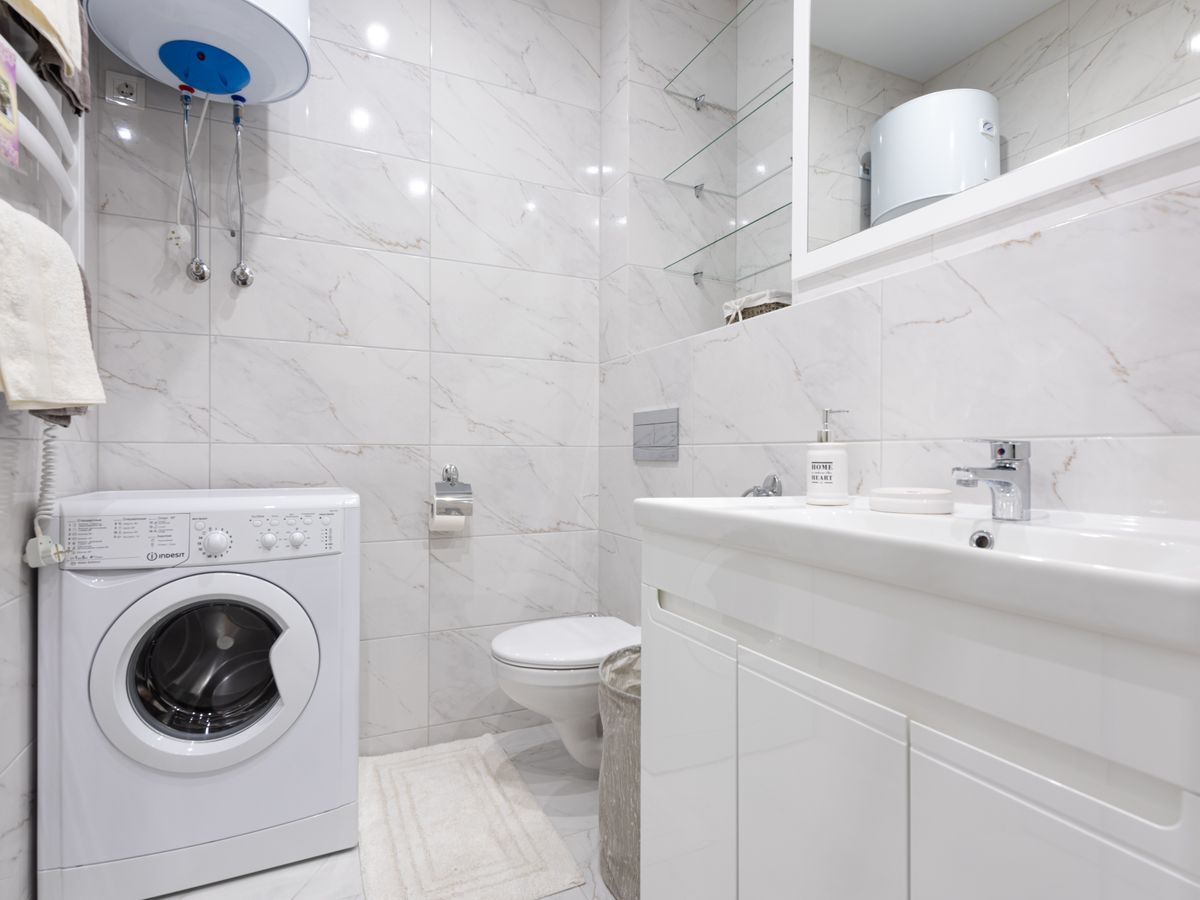
Finding the right spot requires measuring exactly what floor space you currently have available. Grab a tape measure and look for a footprint of at least 24 by 24 inches. This small square provides enough room for a compact machine and a vertical wall rack.
The best laundry corner small apartment locations live close to existing plumbing lines. Bathroom corners, kitchen alcoves, or a spare closet near a sink work perfectly. You need immediate access to a standard 110-volt electrical outlet and a working faucet to feed the washer.
Avoid placing your setup on thick carpet at all costs. Machines vibrate heavily during the high-speed spin cycle, and thick carpet traps dangerous heat from the motor underneath. A solid tile or hardwood floor keeps the equipment stable and prevents loud rattling noises.
Picking a compact washing machine
Renters usually cannot install full-sized appliances due to strict building lease rules. Portable washing machines solve this exact problem by rolling directly to a sink for temporary water hookups. These compact units cost between $200 and $350 and handle about 10 pounds of clothes per load.
If you need help deciding on the exact type of machine for your specific layout, read our guide on choosing a washer for a small space. Front-loading combo units save space but often take three hours to finish a single wash and dry cycle. Top-loading portable washers agitate much faster and finish a normal cycle in 45 minutes.
Always measure the interior doorways before buying any heavy machine. A standard interior apartment door measures 30 inches wide. Your new washer must slide through the frame easily without scraping the doorframe or damaging the drywall.
Hooking up the water supply safely
Portable washers use a quick-connect adapter that screws directly onto your bathroom or kitchen sink faucet. You snap the intake hose onto the faucet aerator and drop the corrugated drain hose right into the sink basin.
Set your sink faucet to a cold temperature, usually around 65°F to 75°F. Washing in cold water protects your cotton fabrics from shrinking and saves money on your utility bill. You can learn more about picking the absolute best settings in our guide to Hot, warm or cold? Picking the right water temperature for every load.
Never walk away from the machine during its very first fill cycle. You must watch the sink drain closely to ensure it handles the water output. A slow sink drain will overflow onto your floors rapidly when the machine empties three gallons of soapy water at once.
Controlling machine noise and vibration
Living in close quarters means you must respect your downstairs neighbors. Washing machines create significant downward force during the rinse and spin cycles. The resulting vibration travels directly through the floor joists into the apartment below you.
You can dampen this noise significantly by installing thick anti-vibration pads under the machine feet. A set of four heavy rubber pucks costs about $15 online. You slide one puck under each corner of the machine to absorb the mechanical shock.
For extra soundproofing, slide a dense foam utility mat under the entire setup. This layer acts as a shock absorber and catches minor water drips before they damage your hardwood floors.
Vertical storage for your laundry corner small apartment supplies
Floor space is precious, so your detergent supplies must go up on the wall. Install a floating wooden shelf exactly 18 inches above the top of your washing machine. This specific height provides enough clearance to open a top-loading lid fully without knocking over your bottles.
Keep your product list completely minimal to save tight space. You only need a liquid enzyme detergent, a bottle of powdered oxygen bleach, and a mesh laundry bag. A heavy metal wire rack costs roughly $40 and holds these heavy items securely without bowing over time.
Using clear glass or thick acrylic bins keeps the area looking neat. Storing powdered detergents in airtight plastic containers blocks room humidity and stops the powder from clumping into hard rocks.
A strict warning on chemical safety
Organizing your cleaning liquids requires strict safety protocols, especially in tight interior areas with poor ventilation. The EPA WaterSense laundry products strongly recommends storing all detergent packets and heavy bleach products on high shelves out of reach of pets and children.
If chlorine bleach is mentioned or used in your routine, you must strictly isolate it from other products. You must NEVER mix chlorine bleach with ammonia, vinegar, or other household cleaners. Mixing these household chemicals creates highly toxic, potentially lethal gas.
Keep plain white vinegar and bleach on completely separate shelves. A simple leak from two poorly sealed bottles can cause a toxic disaster in a confined hallway closet.
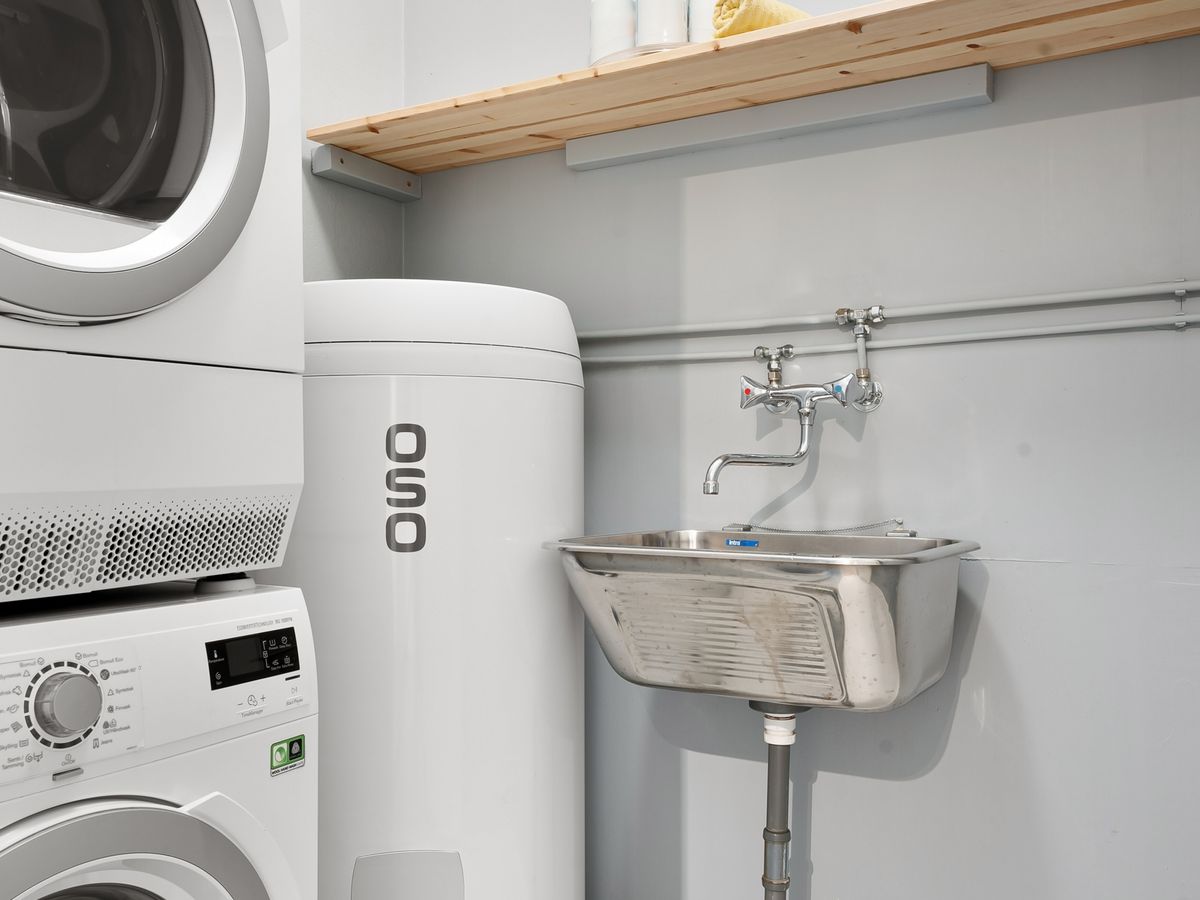
Managing dirty clothes in a laundry corner small apartment layout
A massive plastic hamper wastes entirely too much floor space, and smart folding to save space keeps clean clothes from piling up. Switch to a hanging canvas laundry bag that mounts directly onto the back of a door. These durable bags hold exactly one load of clothes and cost around $20 online.
You can also mount two sturdy metal hooks on the wall to hold drawstring mesh bags. One bag holds dark clothing while the other holds whites and bright lights. This visual system forces you to sort your clothes daily as you undress.
Pre-sorting saves you twenty minutes on actual wash day. You simply grab the full bag off the hook and dump the contents directly into the drum. It keeps the floor completely clear and prevents the dreaded clothing mountain from forming.
Creating a tiny stain treatment station
Treating spots immediately is the only way to save heavily soiled garments. You need a dedicated spot to process these marks before they set permanently into the fibers. A small plastic shower caddy keeps your stain tools organized and ready for fast action.
Stock this caddy with a basic enzyme stain spray, an old soft toothbrush, and a solid bar of laundry soap. The entire stain kit costs under $15 and fits onto a five-inch sliver of shelf space.
When you spill coffee on a white shirt, spray it immediately. Let the enzymes sit for 15 minutes before tossing the garment into the wash. A highly functional laundry corner small apartment station makes this habit incredibly easy to maintain.
Drying strategies for tight square footage
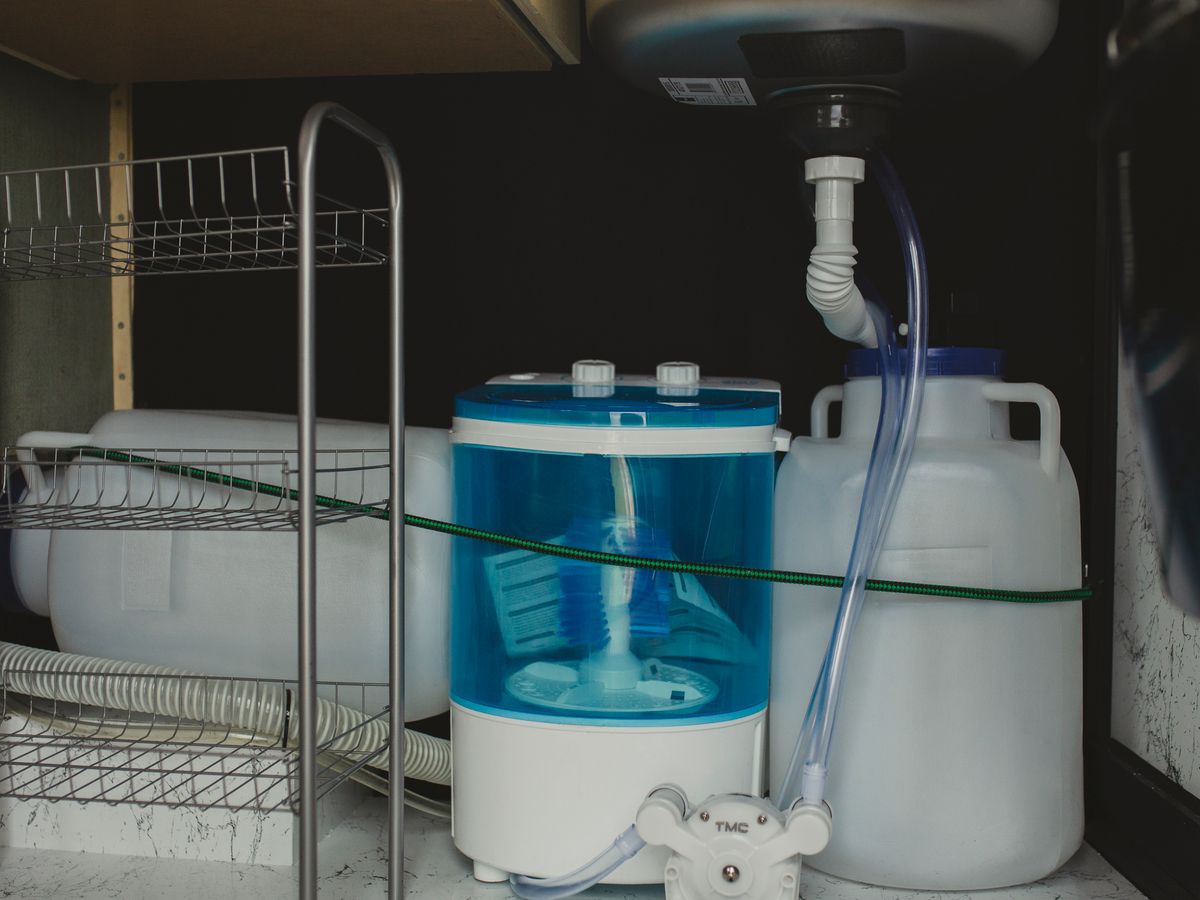
You likely lack the high-voltage wiring and outdoor venting required for a traditional tumble dryer. Air drying is much gentler on your clothes anyway. High heat breaks down elastic fibers and permanently shrinks expensive cotton shirts.
Invest in a wall-mounted accordion drying rack for wet garments; our roundup of drying rack setups for small apartments compares the best options. These metal racks screw directly into the wall studs and pull out to offer 15 feet of drying space. You push the rack completely flat against the wall when the clothes dry.
If you cannot drill holes in your rental walls, buy a folding wooden gullwing rack. A sturdy wooden rack costs about $35 and collapses down to a three-inch width. You can slide it directly between your washing machine and the wall for hidden daily storage.
Preventing indoor moisture problems
Drying wet clothes indoors releases significant moisture into the surrounding air. This constant humidity causes mold to grow on drywall and leaves thick clothes smelling distinctly musty. You must manage this airflow proactively.
Place a small oscillating desk fan near the drying rack and run it on medium speed. The circulating air cuts the total drying time in half and stops stale odors from developing in the fabric.
Crack a nearby window about two inches to let the humid air escape outside. If your apartment bathroom lacks a window, turn on the ceiling exhaust fan for the entire time the clothes sit on the rack.
Organizing a narrow hallway layout
Sometimes your only option is cramming everything into a narrow hallway closet. This project requires ruthless physical decluttering. Remove all winter coats, old vacuum cleaners, and random cardboard boxes from the space first.
You want to follow specific rules for narrow layouts. Our breakdown on How to organize a tiny laundry closet offers exact shelving dimensions for these difficult spaces. Spring-loaded tension rods work beautifully here to hold spray bottles by their triggers, freeing up valuable flat shelf depth.
Add a battery-powered LED puck light to the ceiling of the dark closet. These lights cost $10 for a three-pack and stick up easily with heavy adhesive strips. Seeing stains and reading detergent labels requires bright, clear light. A well-lit laundry corner small apartment closet feels twice as big.
Maintaining the laundry corner small apartment zone
A laundry corner small apartment gets messy incredibly fast. You must wipe down the washing machine exterior and the shelving at least once a month. Detergent drips attract dust, creating a sticky black sludge on the bottom of your soap bottles.
Leave the lid or door of your washing machine wide open after every single cycle. The interior drum must dry completely to prevent black mildew from growing on the rubber door seals. Mildew creates a sour smell that transfers directly onto your next batch of clean clothes.
Run a cleaning tablet through the machine on an empty hot water cycle every 30 days. The hot water, usually around 130°F, melts away soap scum and hard water mineral deposits. This strict preventative maintenance keeps your portable unit running perfectly for years.
The step by step installation checklist
Putting your whole laundry corner small apartment together takes just one weekend afternoon. Following a strict order prevents you from having to move heavy equipment twice.
- Measure your floor footprint and interior doorframes twice.
- Buy and position the compact washing machine over the rubber vibration pads.
- Test the water intake hose and the sink drain flow with cold water.
- Install your vertical floating shelves or metal wire wall rack.
- Mount the canvas hamper bags to the back of the nearest solid door.
- Stock your liquid supplies and the small stain treatment caddy.
- Install the wall-mounted drying rack or store the folding rack nearby.
Completing these steps in order creates a highly efficient workflow. Your dirty clothes move logically from the hamper to the washer to the drying rack without any unnecessary backtracking.
Stop treating your dirty clothes like a problem to hide in the dark. Taking the time to properly measure, hook up a portable washer, and mount vertical shelving turns a miserable chore into a fast routine. Build your laundry corner small apartment setup this weekend, and start treating your wardrobe with the care it deserves.

Felipe Amaral writes about laundry and clothing care for real life — small apartments, busy weeks and clothes you actually want to last. Based in Denver, Colorado, he’s made every laundry mistake in the book so you don’t have to.