
Maybe your building’s laundry room is broken again, maybe you just moved into a studio with no hookups, or maybe you are traveling and out of clean shirts. Whatever the reason, standing there with a pile of dirty clothes and no machine can feel weirdly helpless.
It should not. People washed clothes by hand for thousands of years, and doing laundry without a washing machine is genuinely easy once you know the steps. This guide walks through a realistic routine that gets your clothes truly clean using only a sink, a tub, or a bucket.
When you might need to wash by hand
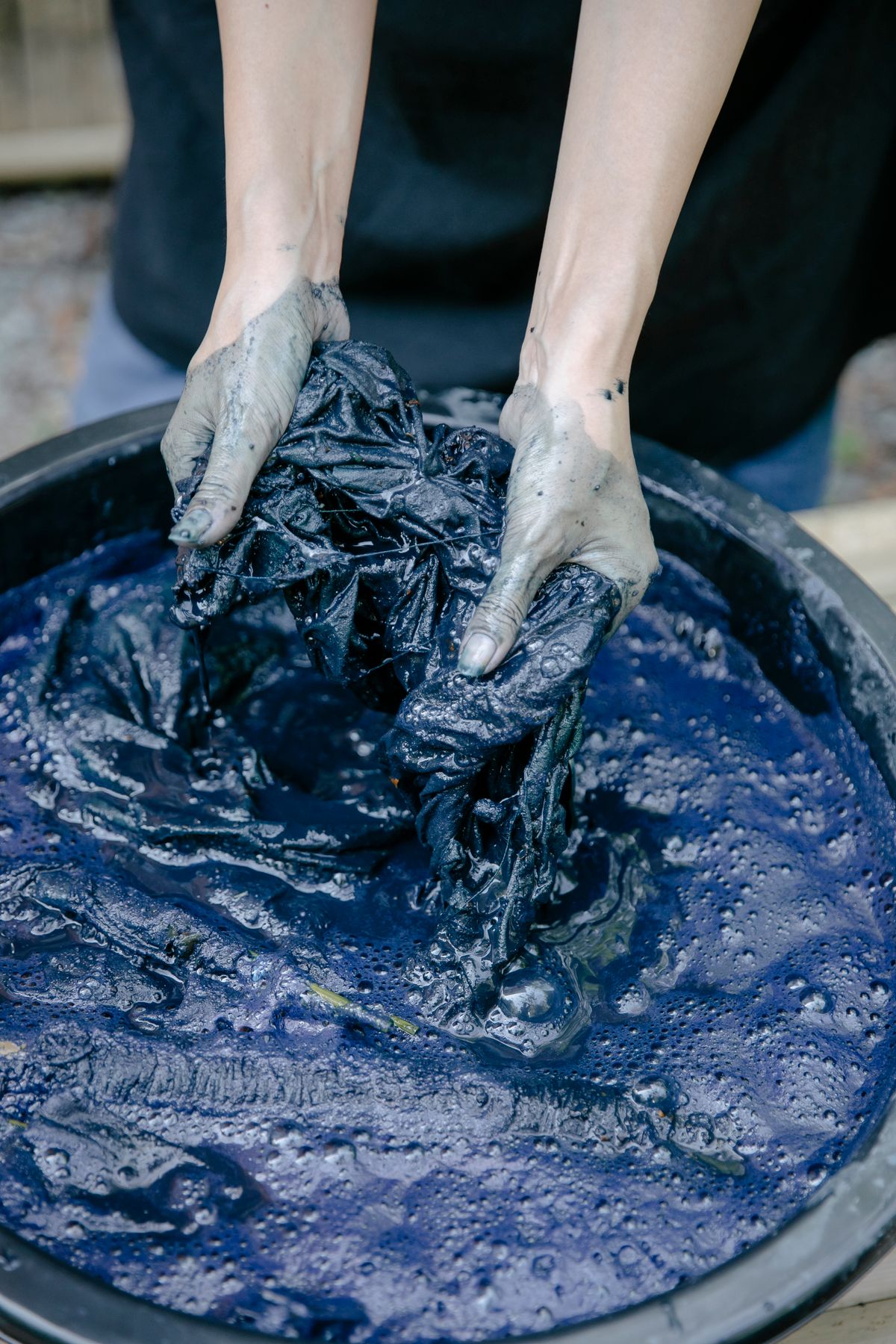
Doing laundry without a washing machine is not just a survival skill; sometimes it is the better choice. Delicate items, wool, and lingerie last far longer when hand washed rather than tumbled.
It is also a lifesaver for renters between apartments, travelers living out of a suitcase, and anyone in a tiny space with no room for a machine. Even people who own a washer often hand wash a few special pieces, an approach I touch on in my guide to setting up a laundry corner in a small apartment.
The point is that washing by hand is a normal, useful skill, not a last resort. Once it is part of your toolkit, a broken machine stops being a crisis.
What you need to get started
The beauty of doing laundry without a washing machine is how little gear it takes. You almost certainly own most of it already.
- A basin: a clean sink, bathtub, or a 5-gallon bucket.
- Detergent: a small amount of regular or gentle liquid detergent.
- Clean water: for washing and at least one rinse.
- A towel and a drying rack: for pressing out water and air drying.
That is it. No special equipment, no plumbing, and a total cost of just a few dollars if you need to buy a bucket. If you want to upgrade later, a collapsible silicone basin folds flat for storage and a portable spin dryer can wring water out fast, but neither is necessary to get great results from day one.
The step-by-step hand-washing method
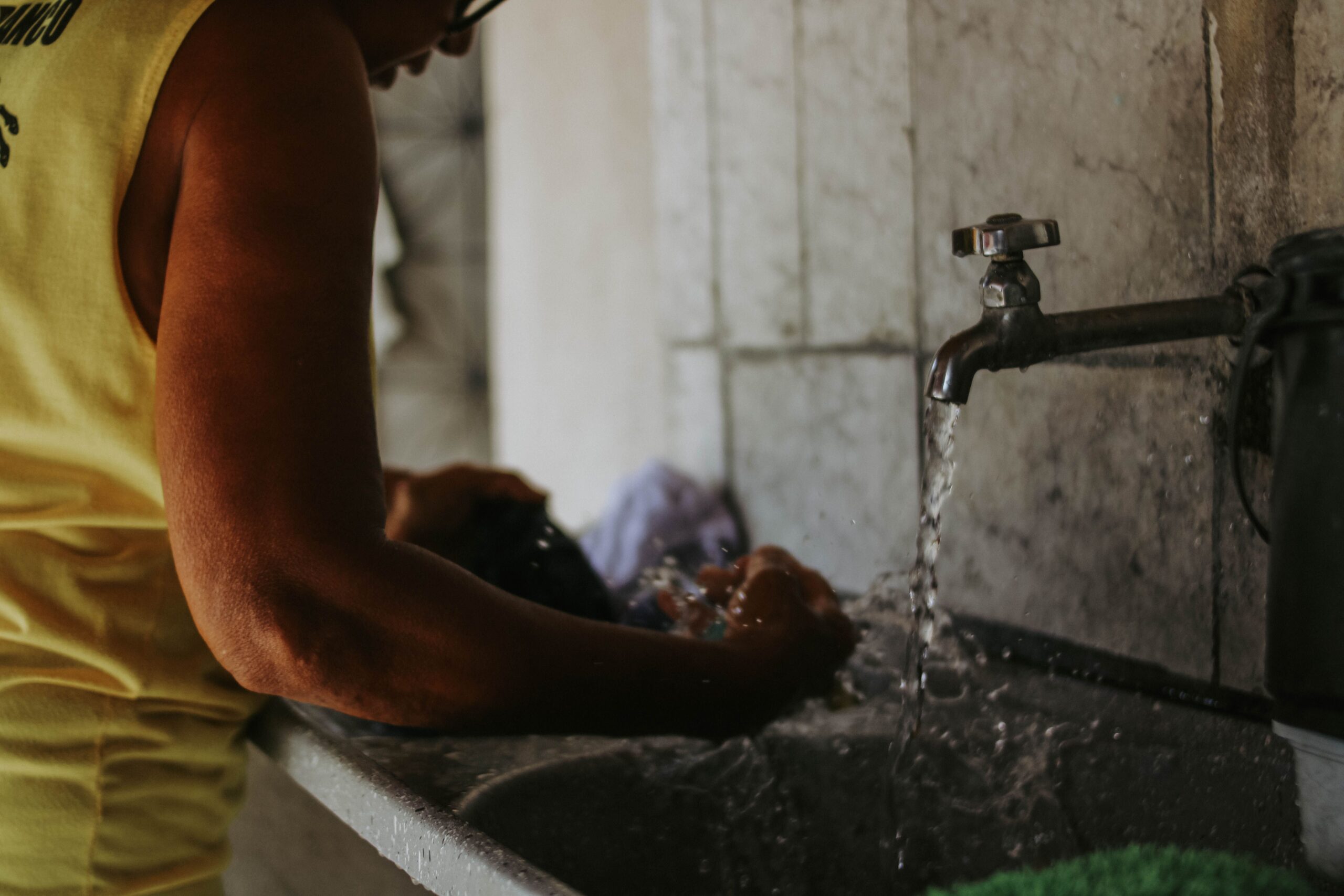
Here is the core routine for doing laundry without a washing machine, and it works for almost everything from T-shirts to jeans.
Fill your basin with water at the temperature the care label recommends, usually cold or lukewarm. If you are unsure how a fabric should be treated, the EPA WaterSense laundry products has clear, trustworthy fabric-care basics. Add a teaspoon or so of detergent and swish it to dissolve, then submerge the clothes and let them soak for 10 to 15 minutes.
Gently agitate each item by swishing and lightly squeezing the sudsy water through the fabric, paying extra attention to collars and underarms. Avoid twisting or wringing hard, which stretches fibers. Using the right amount of detergent matters here too, since excess soap is hard to rinse out by hand, a point I explain in how much detergent you actually need.
Rinsing and removing water
Rinsing well is where hand washing succeeds or fails. Drain the soapy water, refill with clean water, and press the suds out of each item.
Repeat with fresh water until it runs clear and the fabric no longer feels slippery. Then, instead of wringing, press each garment against the side of the basin or roll it in a dry towel to squeeze out excess water. This towel trick removes a surprising amount of moisture and shortens drying time dramatically.
Drying without a machine
Air drying is the natural partner to doing laundry without a washing machine. Hang shirts on hangers, lay knits flat to keep their shape, and drape everything else over a rack or line.
Good airflow is the key to avoiding a musty smell, so open a window or run a fan in small rooms. For compact spaces, a folding rack tucks away easily, and I compare several options in my guide to the best drying rack setups for small apartments.
Most items dry overnight, while heavy denim or towels may take a full day. Planning your washes around your schedule, so clothes hang while you sleep or work, means the drying time never actually gets in your way. Rotating or flipping them halfway through speeds things up.
Handling bigger or tougher loads
For sheets, towels, or a large batch, the bathtub is your best friend. Fill it a few inches deep, add detergent, and use your feet to gently stomp and agitate the load, which is oddly effective and easy on your back.
For sheets and towels, patience beats force, so let them soak longer rather than scrubbing. A clean plunger, used gently, can also mimic a machine’s agitation in a bucket. For stubborn stains, pre-treat before washing rather than scrubbing endlessly by hand. A little dish soap or a paste of detergent rubbed into the spot and left for a few minutes does most of the work, so you rinse rather than scrub. This keeps the fabric intact while still lifting the mark, which matters even more when you are doing laundry without a washing machine and cannot rely on a heavy-duty cycle to finish the job.
One important safety note: if you use any bleach to whiten whites, never mix chlorine bleach with ammonia or vinegar, since the fumes are dangerous. Use it alone, well diluted, and rinse thoroughly.
Making it a manageable routine
The trick to doing laundry without a washing machine long term is to wash small and often rather than letting a mountain build up. A few items every couple of days takes minutes and never feels overwhelming.
Keep a dedicated basin and a bottle of detergent within reach so the task is friction-free. Storing everything together in one spot, even a single labeled tote in a closet, turns hand washing into a two-minute setup instead of a hunt for supplies. Treated as a quick daily habit rather than a dreaded chore, hand washing becomes genuinely painless.
Common hand-washing mistakes to avoid
A few small missteps can turn doing laundry without a washing machine from easy to frustrating. Sidestep these and your results will rival any machine.
The biggest mistake is using too much detergent, which is nearly impossible to rinse out by hand and leaves clothes stiff and dull. Another is wringing garments hard, which stretches necklines and warps knits out of shape. People also tend to skimp on rinsing, so soap residue lingers and attracts dirt faster. Finally, cramming too many items into one small basin means nothing gets properly clean, so wash in smaller batches for far better results.
Keep the water gentle, the loads small, and the rinsing thorough, and hand washing consistently delivers fresh, soft clothes.
Speeding up the drying process
Drying is usually the slowest part of doing laundry without a washing machine, but a few tricks cut the wait considerably. The towel-roll method is the single most effective one, since pressing water out mechanically beats waiting for it to evaporate.
Beyond that, spacing garments out so air circulates on all sides prevents damp spots and odors. A fan pointed at the drying rack can halve the time indoors, and hanging clothes near a sunny window or a heat source in winter helps too. In humid climates, a small dehumidifier in the room works wonders. With these habits, even thick items are ready to wear far sooner than you would expect.
Your next step
Next time you are down to your last clean shirt, do not wait for a machine. Fill a sink, add a little detergent, and try the method above on a single item tonight. Once you see how clean it comes out, doing laundry without a washing machine will feel like a genuine freedom rather than a fallback.

Felipe Amaral writes about laundry and clothing care for real life — small apartments, busy weeks and clothes you actually want to last. Based in Denver, Colorado, he’s made every laundry mistake in the book so you don’t have to.