
There’s a particular kind of satisfaction in kneeling on a puffy comforter, running the vacuum hose along the valve, and watching a mountain of bedding shrink into something you could slide under the couch. Vacuum storage bags feel a little like magic the first time you use them, especially when your entire apartment is smaller than some people’s garages.
But that same magic can quietly ruin your favorite down jacket or leave your wool sweaters looking like crumpled paper. Vacuum storage bags are a fantastic tool when you match them to the right items, and a slow disaster when you don’t. Here’s exactly what belongs inside them, what should never go near them, and how to use them without regrets.
How vacuum storage bags actually work
A vacuum storage bag is a sealed plastic envelope with a one-way valve. You load it, zip it shut, and pull the air out with a vacuum cleaner or a small hand pump. Removing the air collapses the bag around your items, cutting their volume by anywhere from 50% to 75% depending on what’s inside.
That space savings is the whole appeal, and it’s genuine. A bulky winter duvet that eats an entire shelf can flatten to the thickness of a yoga mat. In a small apartment or a shared closet, that difference is the line between chaos and calm.
The compression also seals out three enemies of stored fabric: moisture, dust, and insects. For the right materials, that protection is a bonus. For the wrong ones, the airless, compressed environment does more harm than good, which is the part most people learn the hard way.
What to store in vacuum storage bags
The best candidates are sturdy items made from cotton, linen, polyester, and other resilient fibers that spring back after being squashed. These fabrics don’t rely on loft or delicate structure to look right, so a few months of compression won’t leave a permanent mark.

- Bedding and linens: cotton sheets, duvet covers, quilts, and spare blankets compress beautifully and recover fully.
- Off-season clothing: t-shirts, cotton pants, sweatshirts, and synthetic base layers you won’t touch for months.
- Towels: bulky and quick to bounce back, they’re ideal for reclaiming shelf space.
- Costumes and rarely-used textiles: Halloween outfits, spare curtains, and picnic blankets that only appear once a year.
Anything you’re storing for a defined season fits this category well. If you’re building a broader system, our guide on how to store off-season clothes in a small apartment pairs nicely with vacuum bags for the items that can handle them.
What to never put in a vacuum storage bag
This is where good intentions go wrong. Some materials depend on trapped air or a specific loft to function, and squeezing that air out damages them, sometimes permanently. Keep the following out of vacuum storage bags entirely.
Down and natural-fill items
Down jackets, feather pillows, and down comforters get their warmth from thousands of tiny air pockets. Compress them for months and the clusters break and clump, and they may never fully recover their fluff. Down manufacturers and outdoor brands consistently warn against long-term compression for exactly this reason.
Wool, cashmere, and other delicate knits
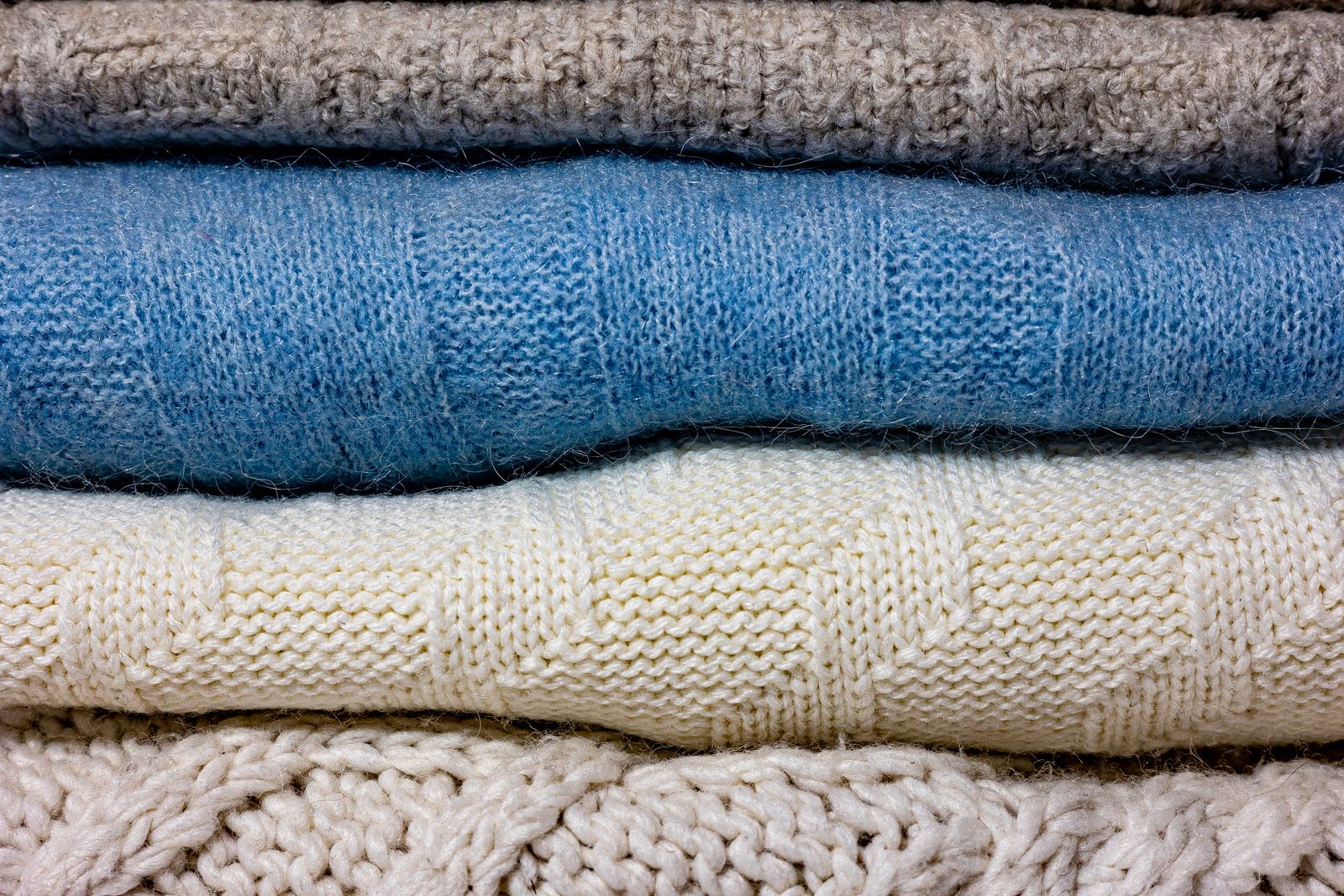
Natural animal fibers have a memory and a springiness that hard compression flattens. Wool and cashmere can emerge deeply creased and limp. If you love your knitwear, store it flat and loosely instead, and read our notes on how to store sweaters so they keep their shape before you reach for a bag.
Leather, silk, and structured pieces
Leather needs to breathe or it can dry out and crack. Silk and other fine fabrics crease sharply and can be hard to restore. Anything with built-in structure, like tailored blazers, will hold whatever deformed shape you press it into.
How to pack a vacuum storage bag the right way
Getting the most out of vacuum storage bags is partly technique. Start with clean, fully dry items, because sealing in even slight moisture invites mildew in that airless environment. Wash and dry everything first, and let it cool completely before packing.
Fold items flat rather than balling them up, and avoid overstuffing. A bag crammed past its zipper line won’t seal, and a broken seal means the air creeps back in within days. Aim to fill each bag about two-thirds full so the zipper closes cleanly.
When you vacuum, go slow and stop once the bag is firm but not rock-hard. Squeezing out every molecule of air stresses the seams and the fabric. A firm, slightly springy result lasts longer and treats your clothes better.
Storage location matters more than you think

A sealed vacuum bag is not indestructible. A single puncture from a nail, a cat claw, or a sharp box corner lets the air back in and undoes all your work. Store bags flat on a shelf, in a drawer, or in a lidded bin rather than jammed against rough surfaces.
Keep them somewhere cool and dry, ideally between 50 and 70 degrees Fahrenheit. Attics and unheated garages swing through temperature and humidity extremes that degrade both the plastic and whatever’s inside. A closet shelf or under-bed space is far kinder.
Expect to re-pump the bags occasionally. Even the best valves let a little air seep in over months, and a quick top-up keeps everything compressed. It takes 30 seconds and saves you from opening a half-inflated bag come next season.
How much space vacuum storage bags really save
The space savings depend heavily on what you pack. Soft, air-filled items like comforters and puffy synthetic bedding compress the most, often shrinking to a quarter of their original size. Denser items like folded jeans or towels give you a more modest reduction, closer to a third, because there is simply less trapped air to remove.
As a realistic benchmark, one large vacuum bag can typically swallow a queen comforter plus two pillows, or around eight to ten bulky sweaters. Two or three bags are usually enough to clear an entire season of bedding and clothing out of your active storage. Buy a variety of sizes rather than all large ones, since medium bags are easier to store flat and less likely to be over-packed.
Keep in mind that compressed weight does not change, only volume. A bag of winter bedding is still heavy, so store it somewhere you can lift it down safely rather than on a high, awkward shelf.
It also pays to label each bag once it is sealed. A strip of masking tape with the contents and the date saves you from cutting open three bags in search of one specific sweater next fall. A quick photo of the contents on your phone works just as well if you would rather not write on the bag.
Are vacuum storage bags worth buying?
For most small-space dwellers, yes, with realistic expectations. A basic set of vacuum storage bags runs about $15 to $30, and the space you reclaim is real and immediate. They shine for bedding, towels, and hardy off-season clothes you’d otherwise have no room for.
Just treat them as one tool, not a universal fix. Keep your down, wool, silk, and leather in breathable storage, and reserve the bags for the sturdy stuff. If you want to reduce how much you’re storing in the first place, a lighter wardrobe helps, and our take on how to wash wool sweaters without shrinking them keeps your best pieces in rotation instead of in a box.
Your practical next step: pull out one bulky item you’re not using this season, confirm it’s cotton, linen, or synthetic, wash and dry it, and give one vacuum bag a try. Once you see the space you get back, you’ll know exactly which corner of your closet to tackle next. For more on protecting stored fabrics, the EPA Safer Choice and the EPA’s guidance on preventing mold are both worth a bookmark.

Felipe Amaral writes about laundry and clothing care for real life — small apartments, busy weeks and clothes you actually want to last. Based in Denver, Colorado, he’s made every laundry mistake in the book so you don’t have to.