
There is a special kind of heartbreak in pulling your favorite winter knit out of the dryer and realizing it now fits a golden retriever puppy. You stare at the tiny sleeves. You wonder if you just ruined an expensive garment forever. Most of us have destroyed a great piece of clothing by rushing through laundry day. Learning how to wash wool sweaters without shrinking them is a survival skill for your wardrobe and your bank account. The good news is you can wash wool sweaters without shrinking them with a few simple habits.
You do not need a weekly dry cleaning habit to maintain your knits. A standard bathroom sink and a few basic supplies are all you need. This guide outlines the exact process to clean these delicate garments at home. It requires a little patience, but the results save you massive amounts of money.
The science behind why knits shrink
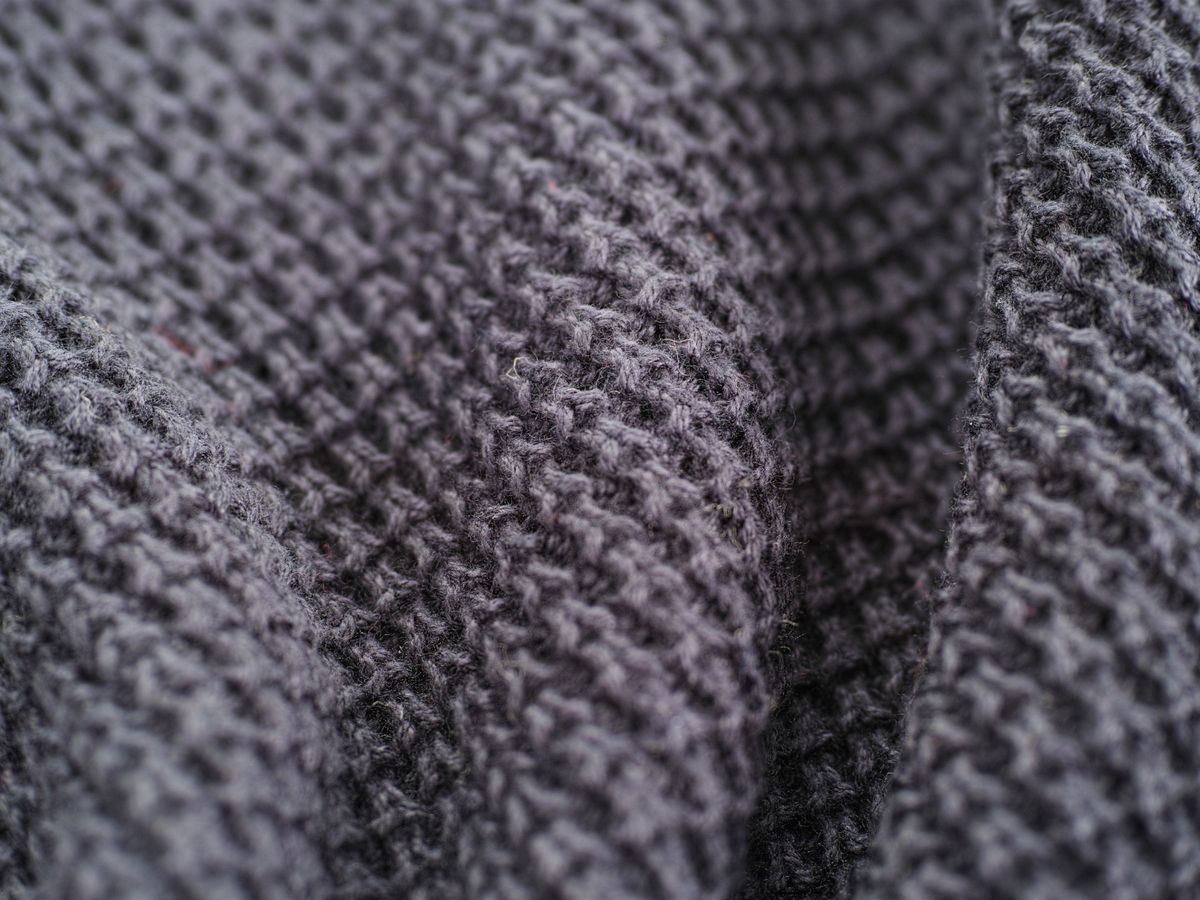
Wool fibers are covered in microscopic scales. They look exactly like tiny shingles on a roof under a microscope. When exposed to hot water and heavy agitation, these scales open up and lock together permanently. This process creates a dense felt material. It reduces the size of the garment by several inches in a single wash. To wash wool sweaters without shrinking, you must avoid high heat and physical friction entirely.
A standard machine cycle tosses heavy wet fabric against hard plastic walls. That constant friction is exactly what causes the scales to bind. Hand washing removes that mechanical stress from the equation. It keeps the fibers smooth and the garment sized correctly.
How often do you really need to clean them?
Most people over-wash their winter gear. Washing too frequently strips the natural oils from the fibers, and the same over-washing habit is what makes black clothes fade. Those oils naturally repel dirt and odors. You only need to wash these garments once or twice a season unless you spill something directly on them.
Between washes, simply air the garment out. Drape it over a chair near an open window for a few hours. The fresh air pulls lingering odors out of the fabric naturally.
You can also lightly mist the fabric with a cheap vodka spray. The alcohol kills odor-causing bacteria and evaporates completely odorless. This practice saves you hours of laundry time over the winter.
Handling different types of natural fibers
Not all knits are created equal, so to wash wool sweaters without shrinking you must adjust your approach slightly depending on the specific animal hair. Merino is tough and highly durable. It handles cool water and mild machine cycles very well, making it perfect for everyday winter basics.
Cashmere requires much more caution. It is incredibly fine and delicate. You should strictly hand wash cashmere in cold water and never trust it in a shared apartment machine. The fibers break easily under any mechanical stress.
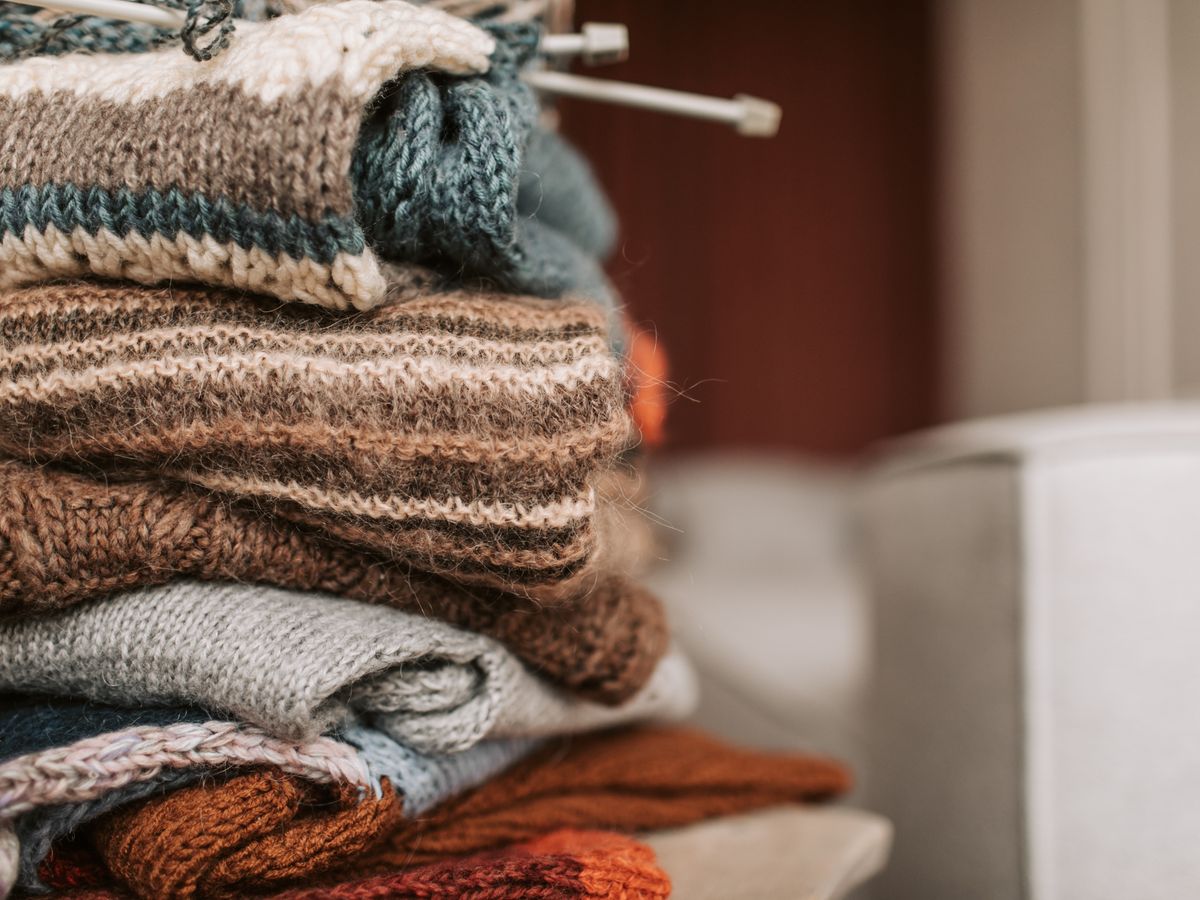
When you try to wash wool sweaters without shrinking them, chunky knits present a unique challenge. The towel rolling method becomes absolutely critical. You might need to use two or three dry bath towels to press all the water out. Leaving a chunky knit soaking wet will cause it to smell musty before it ever fully dries.
The step-by-step method to wash wool sweaters without shrinking
To wash wool sweaters without shrinking, you need a clean sink, cold water, and a specialized wool detergent. Set aside about twenty minutes for the active work. Clear off your bathroom counter so you have plenty of room to work.
Here is the foolproof method:
- Inspect and prep. Check the garment for food spots or dirt. Apply a tiny drop of clear liquid soap to any marks and tap it gently with your finger. Do not rub the fabric together.
- Fill the basin. Plug your sink. Fill it with cold water between 60°F and 70°F. Add one teaspoon of gentle wool detergent. Swish the water with your hand to mix the soap before adding the garment.
- Submerge and soak. Push the knit down into the water gently until it is fully saturated. Let it sit undisturbed for 15 minutes. The soap will lift the dirt without any harsh scrubbing required.
The crucial rinsing phase
Most damage actually happens when people pull the wet knit out of the water. Wet wool absorbs a massive amount of water and becomes incredibly heavy. The weight easily stretches the shoulders out of shape. Always support the entire garment from underneath with both hands when you lift it.
Drain the soapy water from the sink completely. Refill the basin with fresh cold water. Submerge the garment again to rinse out the remaining soap. You might need to repeat this step twice to remove all the suds.
Never wring or twist the fabric to remove excess water. Twisting breaks the natural fibers and permanently distorts the shape. Press the fabric gently against the side of the sink to squeeze out the water. You want it damp, not dripping.
If you notice severe stains that require stronger chemicals, proceed with extreme caution. If you use chlorine bleach on your other laundry loads, remember the golden safety rule. You must NEVER mix chlorine bleach with ammonia, vinegar, or other household cleaners. Mixing these chemicals creates a lethal toxic gas.
Dealing with apartment water hardness
If you live in a city apartment, you probably deal with hard water. Hard water contains high levels of calcium and magnesium. These minerals interact with soap and leave a stiff residue on natural fibers. Your garment might feel crunchy or scratchy after it dries.
To combat hard water, add a splash of plain white vinegar to your final rinse basin. The vinegar cuts through the mineral deposits and softens the fabric naturally. Just one tablespoon of vinegar per gallon of cold water does the trick. It restores the soft texture without using any synthetic chemical softeners.
Drying techniques for tiny apartments
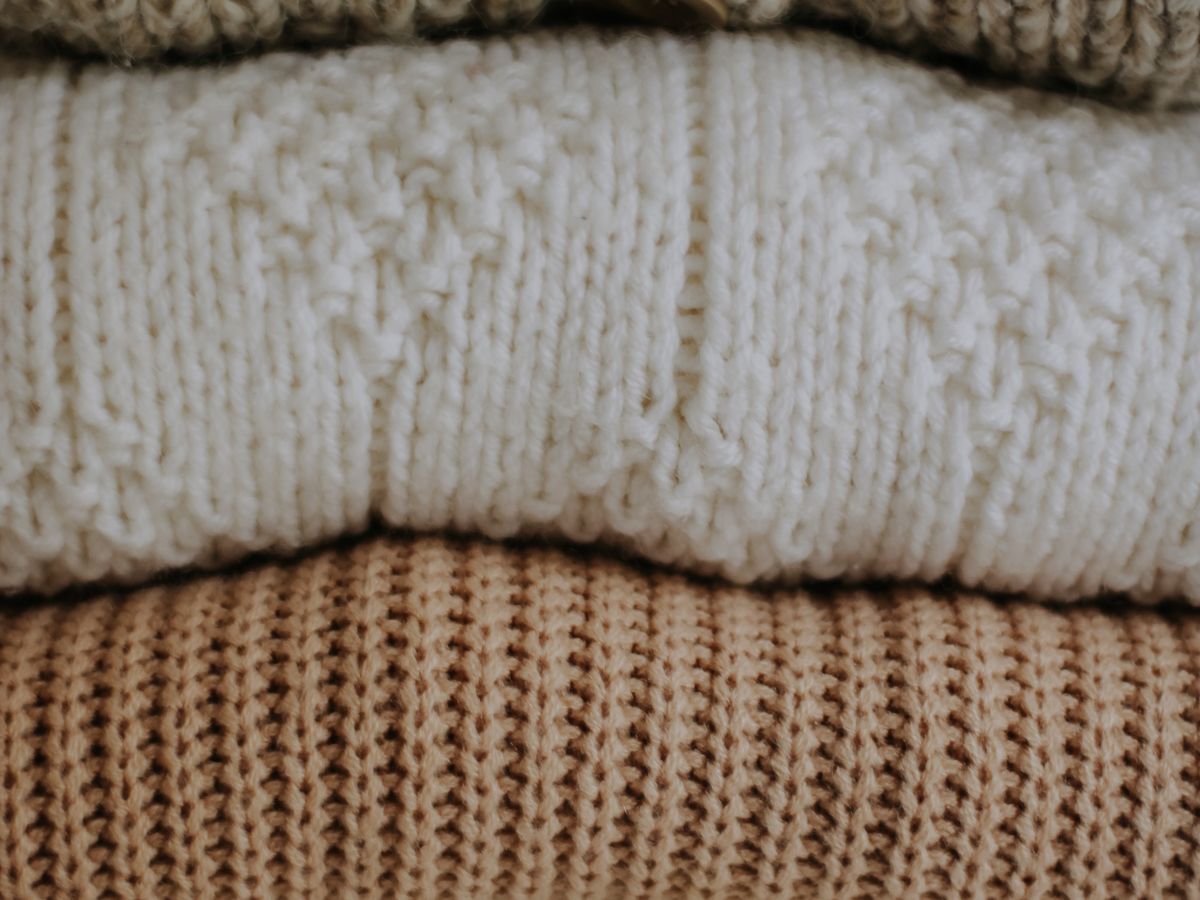
You can never put these garments in a mechanical dryer. The intense heat bakes the fibers and destroys the fabric in minutes. Proper air drying is the only safe method to use after you wash wool sweaters without shrinking the fibers.
Lay a clean, dry bath towel flat on the floor or your bed. Place the damp knit on the towel and gently reshape the arms and torso to their original dimensions. Roll the towel up tightly like a sleeping bag with the garment inside. Press down heavily on the rolled towel with your hands or knees to absorb the remaining moisture.
Unroll the towel and transfer the garment to a mesh drying surface. If you lack space, checking out The best drying rack setups for small apartments will help you find a foldable rack that slips right under your sofa. Leave the item flat until it is completely dry. Flip it over halfway through the day to speed up the process.
Can you use a washing machine to wash wool sweaters without shrinking?
Sometimes you are simply too busy to hand wash. You can use a modern washing machine, but you must take strict precautions. Only attempt this if your machine features a dedicated delicate or hand-wash cycle. Standard cycles are too aggressive.
Place the garment inside a mesh laundry bag to protect it from snags. A good bag costs around $5 and is absolutely essential for delicate items. Select a cycle with cold water and the lowest possible spin speed.
According to the EPA WaterSense laundry products, minimizing agitation is the most important factor in preventing damage to natural fibers. If your apartment machine only has a basic normal cycle, skip the machine entirely and stick to the sink method.
Choosing the correct detergent
Standard laundry detergents contain heavy enzymes. These enzymes are designed to break down protein stains like blood or sweat. Since wool is made of animal hair, those exact same enzymes will eat away at the fibers of your clothing.
You must use a detergent formulated specifically for natural fibers. Look for a mild liquid soap that explicitly states it is enzyme-free. A standard bottle usually costs between $10 and $15 and lasts for dozens of washes.
Using the right soap is critical when you want to wash wool sweaters without shrinking or degrading the material. Do not skip this step and use regular detergent.
Repairing damage and general upkeep
Even with a perfect routine, mistakes happen. You might accidentally toss a knit into the warm wash pile. If an item ends up slightly too tight, you can sometimes relax the fibers using hair conditioner. Read our guide on How to fix shrunken clothes (yes, it’s sometimes possible) for a detailed rescue plan.
Regular maintenance keeps your knits looking expensive year after year. Friction from daily wear causes small balls of fuzz to form under the arms. Learning how to de-pill sweaters and make old knits look new takes just ten minutes. A basic fabric shaver costs about $12 and completely restores the texture.
Once you learn to wash wool sweaters without shrinking, you stop fearing laundry day and start protecting your investments. Always fold these garments to keep their shape instead of hanging them in your closet. Wire and plastic hangers create permanent dimples in the shoulders. They stretch the heavy fabric downward over time.
You now have the exact blueprint to wash wool sweaters without shrinking your favorite winter gear. Start with a gentle cold water sink soak, skip the heavy wringing, and always press the moisture out with a dry towel. Lay the garment flat to dry, and your clothes will look brand new for decades.

Felipe Amaral writes about laundry and clothing care for real life — small apartments, busy weeks and clothes you actually want to last. Based in Denver, Colorado, he’s made every laundry mistake in the book so you don’t have to.