
A paper-cut nick while cooking, a nosebleed on your pillowcase, a scraped knee on a favorite pair of jeans. Blood stains have a way of landing on the things we least want to ruin, and the panic that follows usually leads people straight to the one move that makes it permanent: hot water.
Here is the reassuring truth. Blood stains are very beatable if you know the rules, and most of what you need is already in your kitchen or bathroom. This guide walks you through removing blood stains whether they are seconds old or set in and dried, without wrecking the fabric.
Why cold water is the golden rule for blood stains
Blood is protein-based, and heat cooks protein. The moment you run a bloodstain under hot water or toss it in a warm wash, you set the stain into the fibers permanently, exactly like an egg turning solid in a hot pan.
Cold water does the opposite. It keeps the proteins loose and lets them rinse away instead of bonding to the fabric. So the single most important habit is simple: only ever use cold water on blood, from the first rinse until the stain is completely gone.
This is one of those rules that applies across almost every protein stain, and it is a good reminder of how much water temperature matters in laundry generally. Our guide to picking the right water temperature for every load explains where hot, warm, and cold each belong.
How to remove fresh blood stains
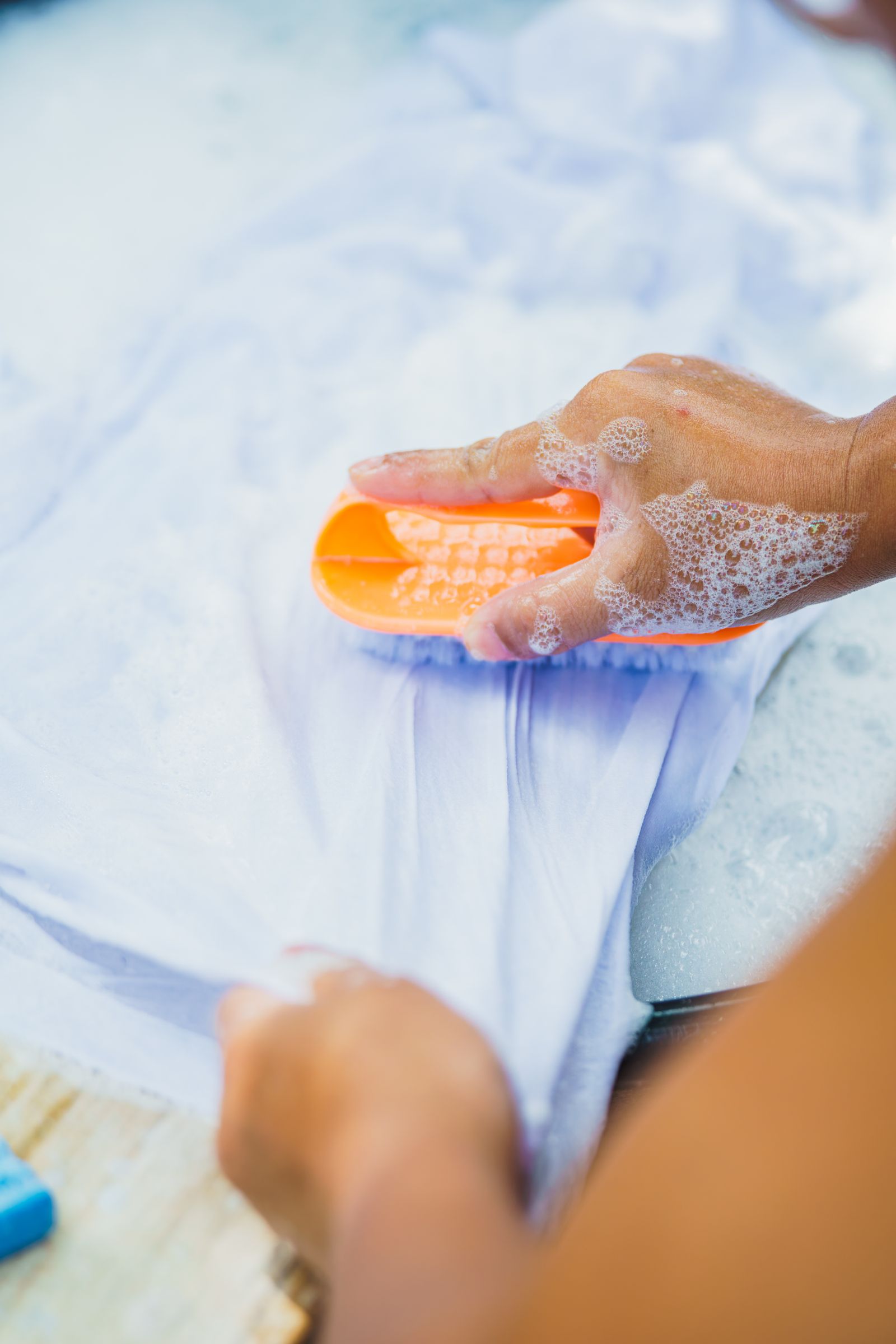
Fresh blood is the easiest to beat, so move quickly. The faster you act, the less chance the stain has to sink in and dry, and often plain cold water alone will do most of the work.
Follow these steps for a fresh stain:
- Rinse the back of the stain under cold running water to push blood out through the fibers rather than deeper in.
- Rub a little liquid soap or dish soap into the stain with your fingers or a soft brush.
- Let it sit for 5 minutes, then rinse again with cold water.
- Repeat until the stain fades, then launder as usual in cold water.
For a stubborn fresh stain, a paste of salt and cold water works surprisingly well. The salt acts as a mild abrasive and helps draw the blood out of the weave.
How to remove dried and set-in blood stains
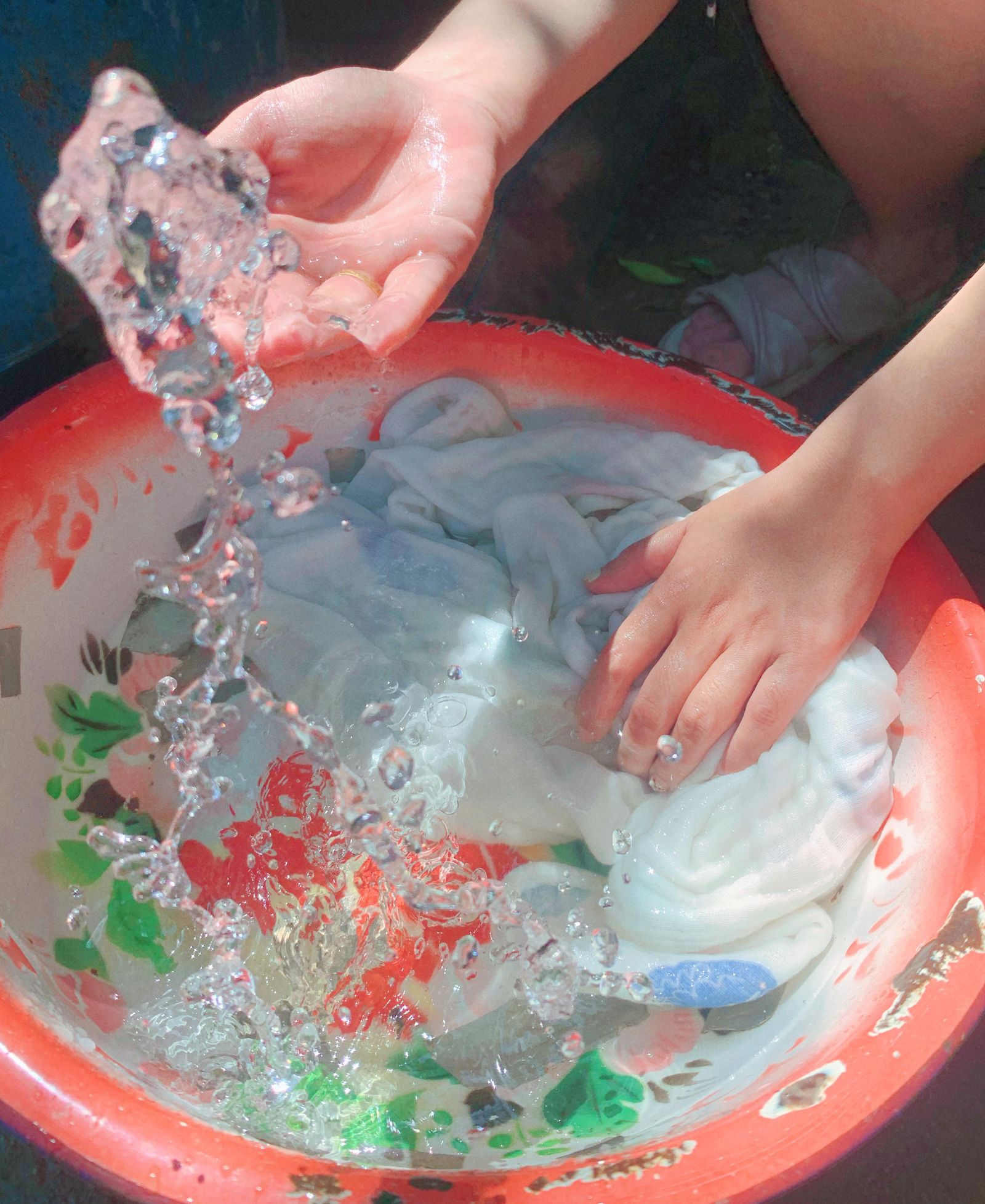
Dried blood takes more patience, but it is far from hopeless. The strategy shifts from rinsing to soaking, giving the stain time to soften and break down before you treat it.
Start by soaking the item in cold water for 30 minutes to several hours; overnight is fine for tough stains. Gently rub the fabric against itself every so often to loosen the dried crust. After soaking, work in soap or a stain remover and rinse, repeating as needed.
Hydrogen peroxide for tough stains
Hydrogen peroxide, the ordinary 3% kind from the pharmacy, is excellent on dried blood. Dab it directly onto the stain and you will see it fizz as it breaks the blood down. Let it work for a few minutes, then blot and rinse with cold water.
Peroxide can lighten some dyes, so test it on a hidden seam first before using it on colored fabric. On whites, it is close to a miracle worker. Oxygen bleach is another safe, color-friendly option for a longer soak.
Enzyme-based laundry detergents deserve a special mention for dried blood. The same enzymes that break down food and grass also digest the proteins in blood, so a pre-soak in a scoop of enzyme detergent dissolved in cold water often succeeds where plain soaking stalls. Give it at least an hour, longer for older stains.
Natural stain removers that actually work
You do not need specialty products for most blood stains. Several pantry staples pull their weight, and they are gentle on both fabric and skin.
- Salt paste: mix with cold water into a paste for fresh stains on sturdy fabric.
- Baking soda: make a paste, apply, let dry, then brush off and rinse.
- White vinegar: soak the stain for 10 minutes, then rinse and launder.
- Cornstarch: great for lifting blood out of mattresses and upholstery you cannot soak.
One firm safety note: never combine hydrogen peroxide or vinegar with chlorine bleach, and never mix chlorine bleach with ammonia. Those combinations release dangerous fumes. Stick to one product at a time and rinse thoroughly between treatments.
Treating blood on delicate and special fabrics
Delicate materials need a lighter touch. For silk and wool, skip vigorous scrubbing and harsh chemicals; instead, blot gently with cold water and a tiny amount of mild soap, working from the outside of the stain inward to stop it spreading.
Mattresses and upholstery cannot be soaked, so treat them with a damp cloth and a cornstarch or baking soda paste, letting it dry before vacuuming it away. For anything labeled dry clean only, resist the urge to experiment and take it to a professional, pointing out the stain and its cause.
If you deal with a wide range of spills beyond blood, it is worth bookmarking our ultimate stain removal chart covering 20 common stains, and our specific guide to removing sweat stains and yellowing from white shirts pairs well since both rely on gentle, cold treatment.
Common mistakes that make blood stains worse
Even people who know the cold-water rule often sabotage themselves with a few reflex habits. Avoiding these matters as much as any treatment you apply.
- Reaching for hot water: the number one mistake, and it sets the stain instantly and permanently.
- Scrubbing aggressively: hard rubbing frays fibers and spreads the stain outward instead of lifting it.
- Tumble drying too soon: heat locks in any leftover trace you could not see while wet.
- Waiting too long: the older a stain gets, the harder it fights back, so treat it the moment you can.
If you take away only one habit, make it patience over force. Repeated gentle treatments with cold water and a mild agent almost always beat a single aggressive attempt, and they leave the fabric intact.
Quick answers to common blood stain questions
Can you get old blood stains out of white sheets? Often yes. A long cold soak followed by hydrogen peroxide or an oxygen bleach soak lifts most set-in blood from whites, though very old stains may need two or three rounds.
Does saliva really work on small blood stains? There is truth to the old trick. Enzymes in saliva can break down small fresh blood spots, which is handy in a pinch, though a proper enzyme laundry detergent does the same job far more reliably on larger stains.
What about blood on a mattress you cannot move? Make a thick paste of cornstarch and cold water, spread it over the stain, let it dry fully, then brush and vacuum it away. Repeat if a shadow remains rather than soaking the mattress through.
Check before you dry
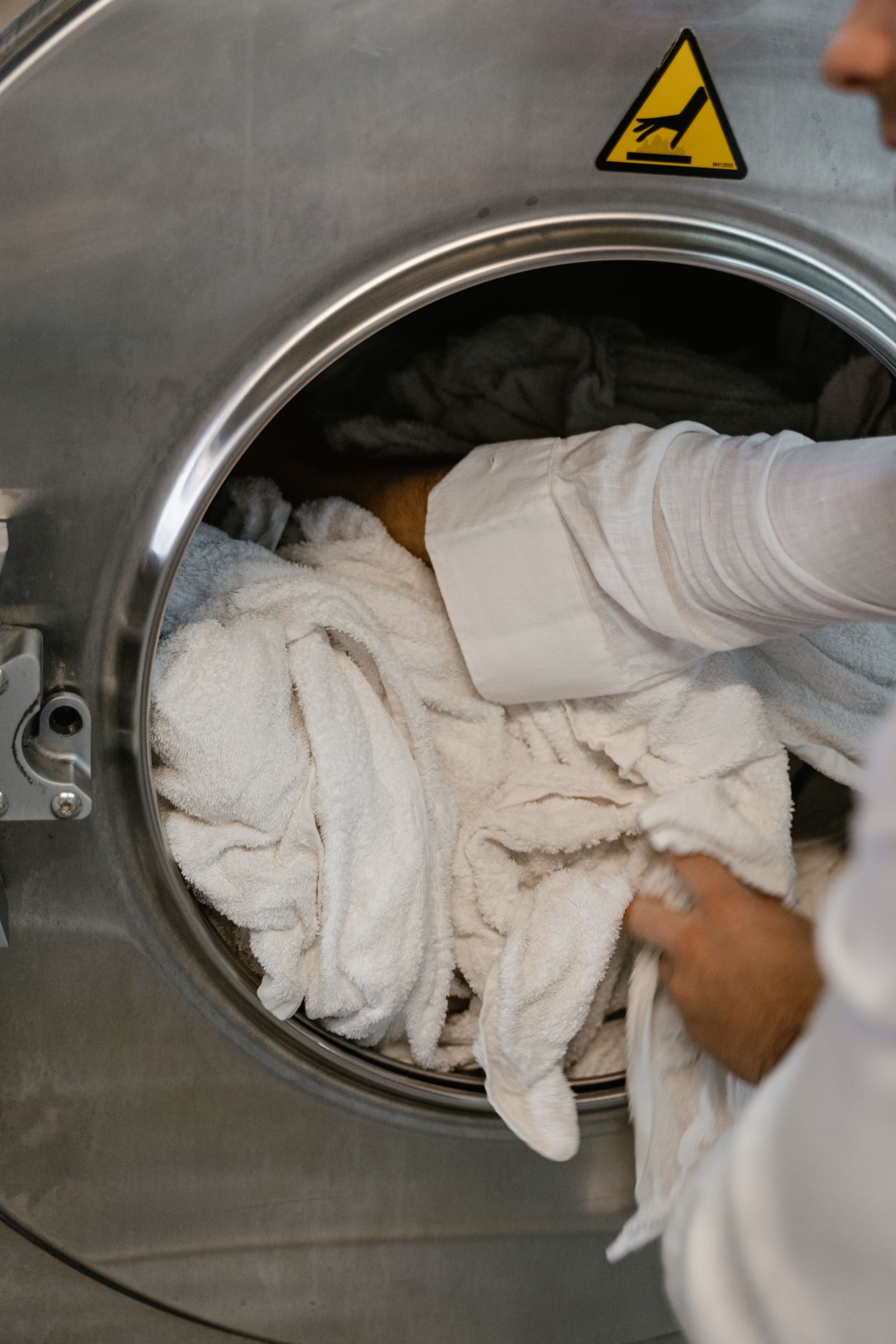
The final rule is the one people forget in a rush. Never put a blood-stained item in the dryer until you are certain the stain is completely gone. The dryer’s heat will set any trace you missed, turning a faint shadow into a permanent mark.
After laundering, hold the fabric up to the light and check. If you still see the faintest hint of a stain, treat it again and re-wash before drying. Air drying is the safest choice while you are still working on a stubborn spot.
Your practical takeaway is short enough to memorize: cold water only, act fast, soak what is dried, reach for peroxide on whites, and never dry until it is truly clean. For more on safe cleaning-product practices, the EPA Safer Choice offers clear, science-backed guidance you can trust.

Felipe Amaral writes about laundry and clothing care for real life — small apartments, busy weeks and clothes you actually want to last. Based in Denver, Colorado, he’s made every laundry mistake in the book so you don’t have to.