
You are rushing out the door for an interview, coffee in hand, when the travel lid slips. A dark brown puddle blooms across your crisp white cotton shirt. Panic sets in as you scrub the fabric with a wet paper towel, driving the hot liquid deeper into the fibers. We all make the mistake of treating every spill the exact same way, which is exactly why a stain removal chart is so useful.
Having a reliable stain removal chart pinned to your fridge or laundry cabinet changes everything. You stop guessing and start applying the exact chemistry needed to lift the mess without ruining the garment. This guide breaks down twenty of the most common disasters and exactly how to fix them using basic, cheap supplies.
How to read this stain removal chart safely
Before using the stain removal chart, you must understand a few baseline rules for garment care. Always treat spills as fast as possible. Heat sets almost every type of mark permanently, so never put a stained item in a hot mechanical dryer. You must verify the mark is completely gone while the fabric is still wet.
When dealing with tough spots on white cotton, you might need heavy duty chemical cleaners. If you use chlorine bleach, you must NEVER mix it with ammonia, vinegar, or other household cleaners. Combining these chemicals creates a highly toxic, potentially lethal gas. Always follow the specific guidelines provided by the EPA Safer Choice for safe handling of all laundry chemicals.
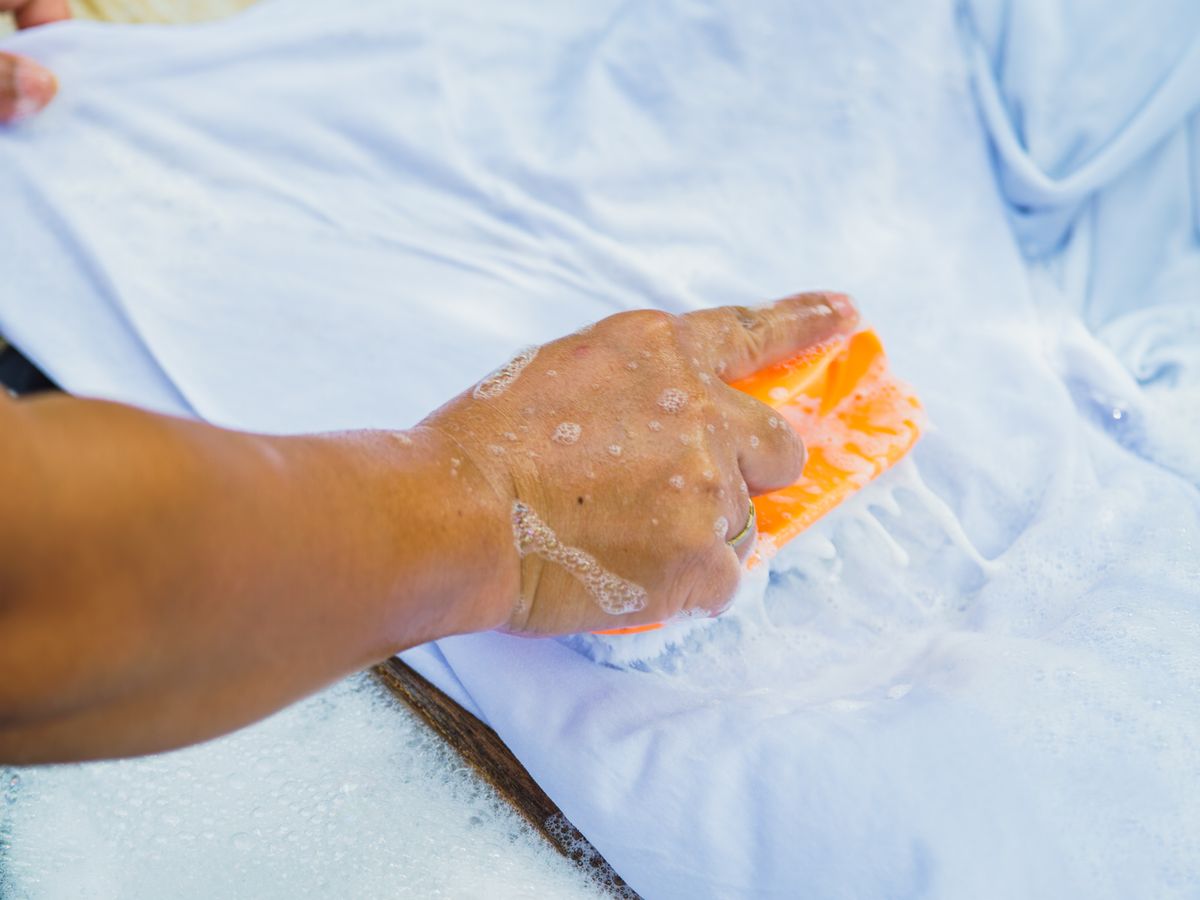
Protein stains: blood, sweat, and dairy
The first section of any good stain removal chart focuses on proteins. Proteins cook and bind to fabric fibers if exposed to heat. You must always use cold water between 60°F and 75°F to flush these marks out.
- Blood: Flush the fabric from the back with freezing cold water. Apply a few drops of liquid enzyme detergent directly to the spot and let it sit for 15 minutes.
- Sweat: Yellow armpit marks happen when sweat reacts with aluminum in deodorant. Soak the garment in a plastic basin filled with cold water and one cup of white vinegar for 45 minutes before washing.
- Milk and baby formula: These rot quickly and leave a sour smell. Soak the item in cold water for 30 minutes. Rub a basic clear dish soap into the area and wash on a normal cycle.
- Egg: Scrape off any solid dried egg with a dull metal spoon. Soak the fabric in cold water for 20 minutes, then wash on a delicate cycle to prevent heavy agitation from grinding the protein deeper.
- Vomit: Rinse away the solids outside under a cold running hose or in a utility sink. Treat the area by soaking it in one gallon of warm water mixed with two tablespoons of powdered oxygen bleach for two hours.
Tannins and dyes: coffee, wine, and fruit
Tannins, like the ones behind coffee stains on fabric, are natural plant-based compounds that require gentle acids or oxygen bleach to lift. Warm water is generally safe here, but check your garment care tag first.
- Coffee: Flush the fabric immediately with cold water from the back. Sponge a mixture of one tablespoon of white vinegar and one cup of water directly onto the spot, then rinse.
- Tea: Pour boiling water (around 212°F) from a height of two feet directly through the fabric over a kitchen sink. The mechanical force pushes the tannins out of the weave.
- Red wine: Blot up excess liquid immediately with a dry cloth. Cover the spot heavily with kosher salt to absorb the moisture. For detailed steps on older spots, reviewing Red wine on clothes: what to do in the first 5 minutes will save your favorite shirt.
- Berry juice: Strawberries and blueberries leave bright purple marks. Flush the fabric with cold water, then soak the garment in a solution of warm water and powdered oxygen bleach for four hours.
- Tomato sauce: Scrape away excess sauce carefully. Flush with cold water from the back. Apply a liquid enzyme detergent, let it sit for 20 minutes, and rinse thoroughly.
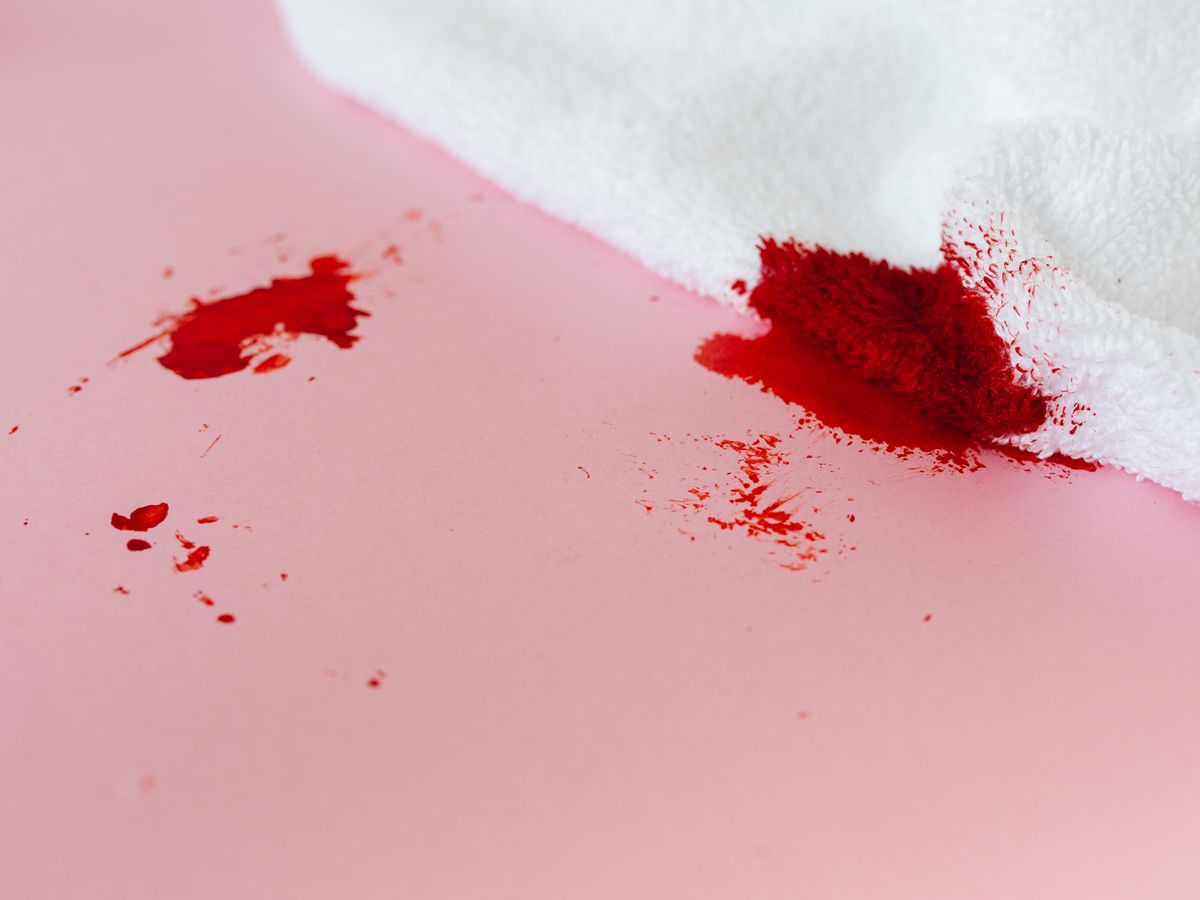
Navigating the stain removal chart for oils and grease
Oils completely repel water, so plain washing will never work; our guide on getting grease and oil stains out of clothes breaks down the exact steps. You must break down the heavy lipids before tossing the item in your washing machine. Hot water helps melt the grease during the final machine wash.
- Cooking oil: Blot the spill with a dry paper towel. Sprinkle baking soda over the entire area to absorb the oil and let it sit for 30 minutes. Brush the powder off and apply clear dish soap.
- Butter: Treat this exactly like cooking oil, but scrape off the solid fat first. Let the dish soap sit for 15 minutes before washing the garment in warm water around 100°F.
- Salad dressing: This is a tricky combination of oil and vinegar. Apply a standard liquid enzyme detergent directly to the spot. Wash the item on a normal cycle with the warmest water the fabric allows safely.
- Lipstick: Lipstick is a mix of heavy wax and bright dye. Place the mark face down on a clean paper towel. Dab the back of the fabric with 70 percent isopropyl rubbing alcohol until the color transfers to the towel.
- Bike grease: Rub a heavy duty waterless mechanic soap into the black grease using an old toothbrush. Wash the garment entirely alone on a heavy duty cycle at 120°F.
Earth and outdoor marks
Consulting a stain removal chart before scrubbing mud saves the fabric from permanent damage. Outdoor marks often combine organic plant matter with heavy ground minerals. You need friction and strong enzymes to break them down completely.
- Mud: Never treat wet mud because wiping it pushes the dirt deeper. Let it dry completely, then brush off the dry soil with a stiff bristle brush. Apply liquid laundry detergent and wash normally.
- Grass: The green streaks are pure chlorophyll dye. Rub a liquid enzyme detergent deep into the green marks. Let it sit for 30 minutes, then wash the item in warm water around 90°F.
- Rust: Squeeze fresh lemon juice directly onto the rust mark and sprinkle it heavily with table salt. Leave the garment flat in direct sunlight for two hours, then rinse it in cold water.
Ink and complex spills on the stain removal chart
Some chemical marks require specific specialized solvents to break down. Always test these aggressive methods on a hidden inside hem first to ensure they do not strip the clothing dye.
- Ballpoint pen ink: Place a folded paper towel directly under the fabric. Dab the ink with a cotton swab soaked in rubbing alcohol. If you frequently ruin pocket liners, reading How to remove ink and pen stains without ruining the garment is highly recommended.
- Mustard: Mustard contains turmeric, which acts exactly like a strong yellow dye. Flush the spill with white vinegar, then apply a thick paste of powdered oxygen bleach and water. Wash the garment in cold water.
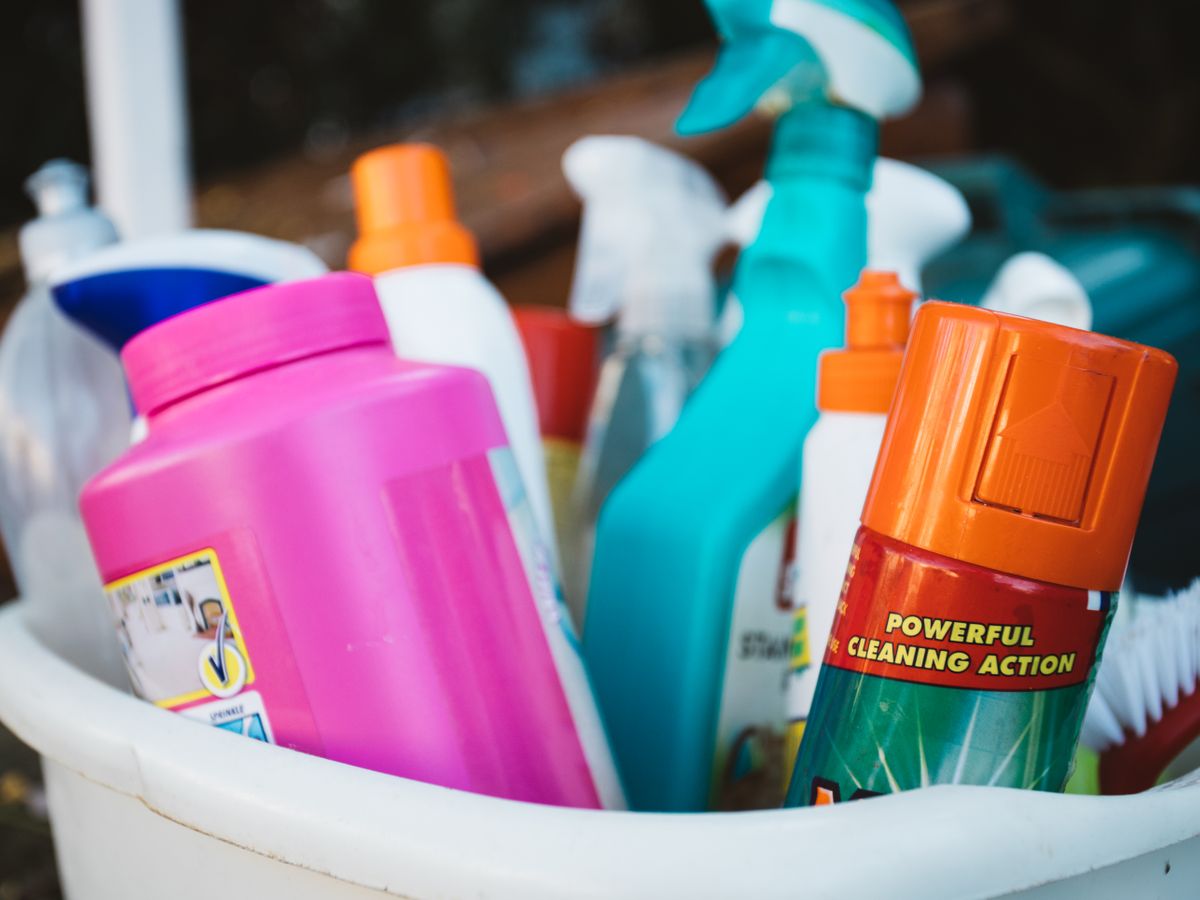
Small space stain stations
Living in a tiny apartment means you cannot store a dozen specialized plastic cleaning bottles. You only need a few versatile products to tackle every problem on a standard stain removal chart. Keep a small plastic caddy under your bathroom sink or tucked next to your hamper.
Stock up on a basic clear liquid dish soap, a standard bottle of rubbing alcohol, and a tub of powdered oxygen bleach. These three basic items cost less than $15 total at any grocery store. Keep a soft bristled toothbrush inside the caddy for gently working soap into durable cottons and thick denim.
If you are setting up your routine entirely from scratch, learning the complete beginner’s guide to doing laundry right ensures you wash the treated items correctly. Proper washing technique seals the deal after you successfully treat a tough spot. A solid care routine saves you cash and keeps your clothes out of the landfill.
Treat the next spill immediately using the right method instead of rubbing it in a blind panic. Tape a printed copy of this stain removal chart inside your closet door for incredibly fast reference. Quick action and the correct basic chemistry will save your favorite garments every single time.

Felipe Amaral writes about laundry and clothing care for real life — small apartments, busy weeks and clothes you actually want to last. Based in Denver, Colorado, he’s made every laundry mistake in the book so you don’t have to.