
You’ve seen it happen: two people wearing almost identical outfits, but one looks effortlessly put-together and the other looks like they got dressed in the dark. Nine times out of ten, the difference isn’t the price tag. It’s the care.
Learning how to make cheap clothes look expensive is less about money and more about maintenance. A $20 shirt that’s clean, pressed, and perfectly fitted will always outclass a designer piece that’s wrinkled, pilled, and faded. Here’s exactly how to close that gap.
Why cheap clothes look cheap (and how to fix it)
Inexpensive clothing usually isn’t badly designed; it’s badly maintained. The tells are almost always the same: wrinkles, pilling, loose threads, faded color, and a poor fit around the shoulders and waist.
Every one of those problems is fixable at home for little to no money, and fixing them is how you make cheap clothes look expensive. Once you know what signals “cheap” to the eye, you can systematically remove each one and let the actual garment shine.
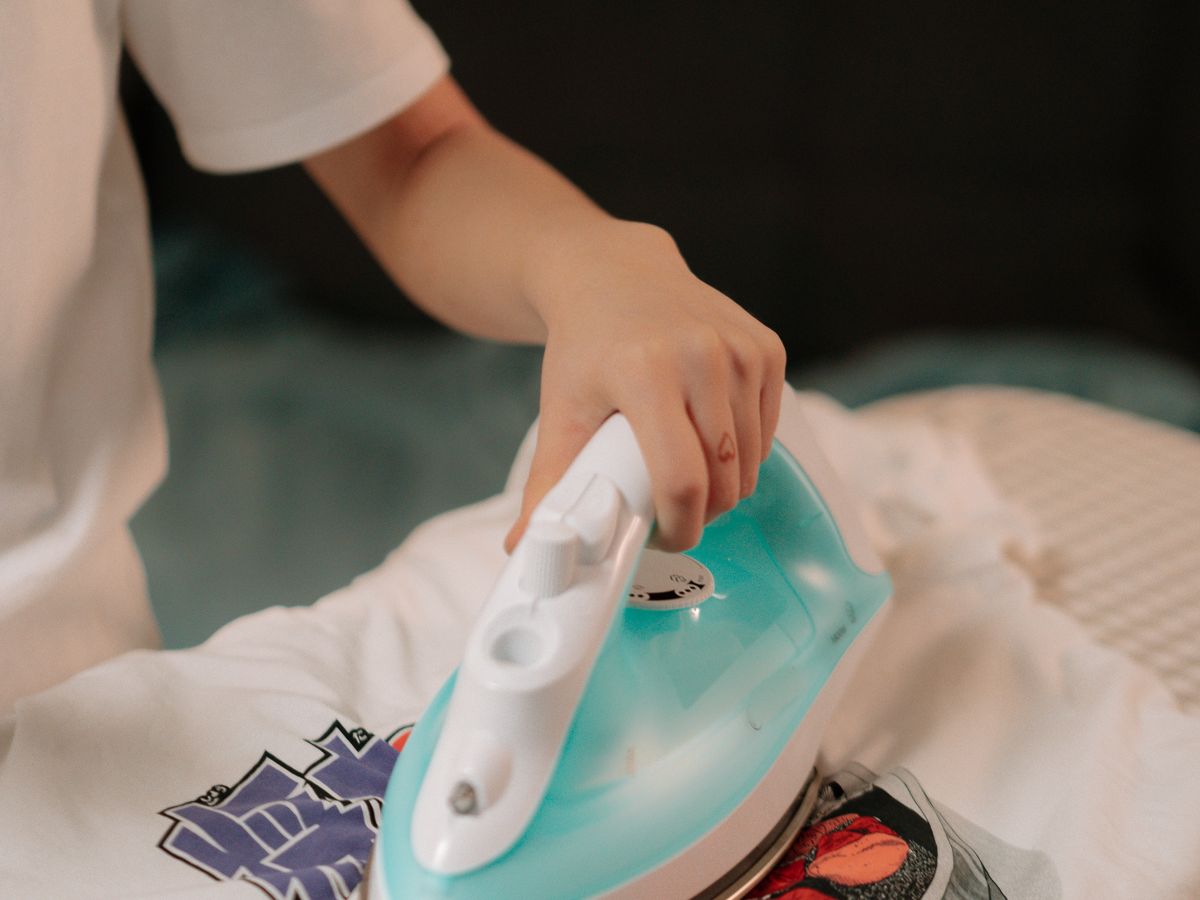
Press everything to make cheap clothes look expensive
Nothing reads “cheap” faster than wrinkles, and nothing reads “expensive” faster than a crisp, smooth finish. Ironing or steaming is the single highest-impact habit you can build.
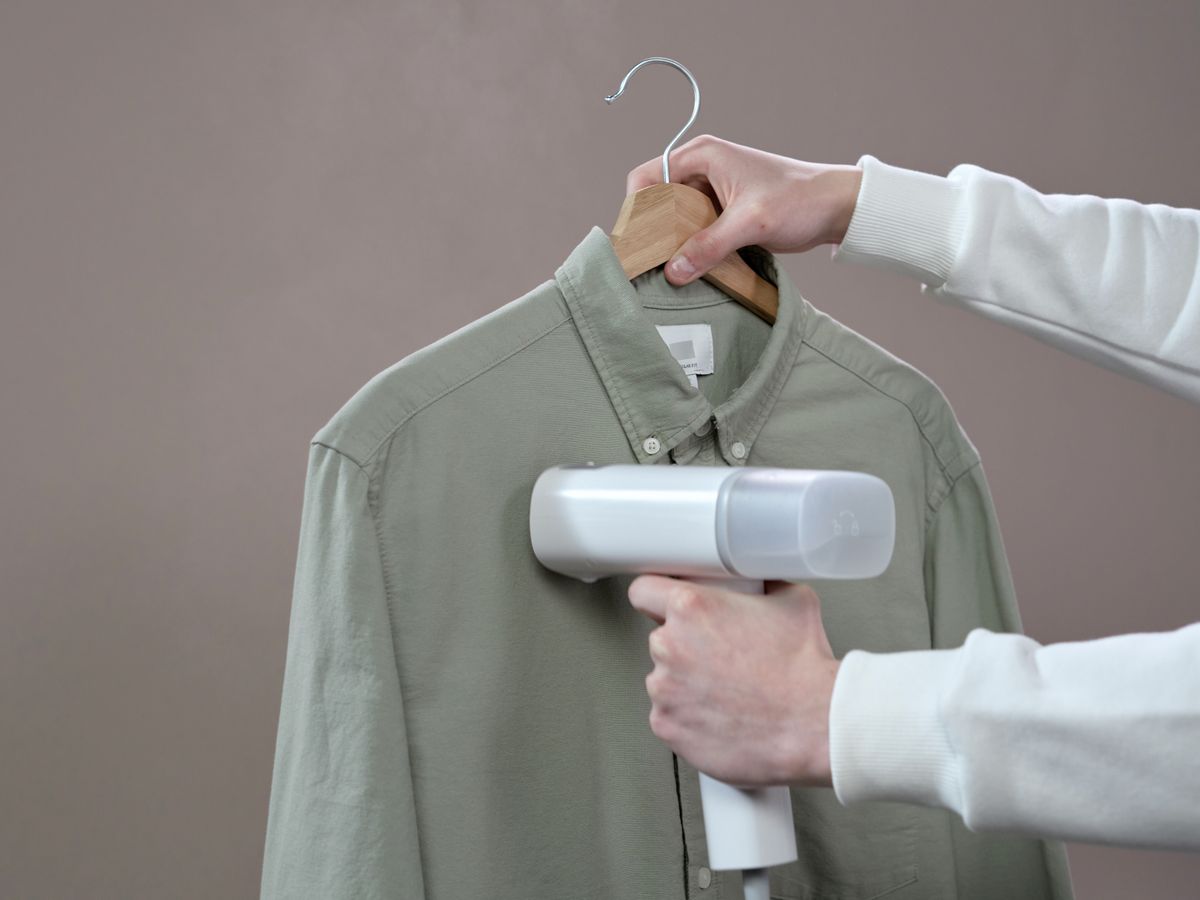
A basic iron handles cottons and linens beautifully; use the right heat setting for the fabric and a little steam for stubborn creases. For delicate synthetics and knits that scorch easily, a handheld steamer is safer and faster.
Iron vs steamer: which to reach for
- Use an iron for crisp collars, dress shirts, and pants where you want sharp lines.
- Use a steamer for suits, knits, drapey fabrics, and quick touch-ups between washes.
- Skip both on anything labeled “do not iron” and hang it in a steamy bathroom instead.
Even five minutes of pressing before you head out transforms how a budget outfit reads to everyone around you.
Kill the pilling and loose threads
Those little fuzzy balls on sweaters and t-shirts are the fastest way to age a garment. Pilling is normal friction damage, and thankfully it’s easy to reverse.
A cheap fabric shaver or a fine-tooth sweater comb removes pills in minutes and instantly makes knits look new again. Snip any loose threads with small scissors rather than pulling them, which can unravel a seam.
For a full walkthrough on reviving tired knits, our guide on how to de-pill sweaters and make old knits look new covers the tools and technique in detail.
Protect color so nothing looks washed out
Faded, grayish color is a dead giveaway of a garment that’s been through the wringer. The fix starts in the wash long before the item ever looks tired.
Wash dark and bright colors inside out in cold water, and choose a shorter, gentler cycle. Cold water and low agitation dramatically slow fading, a point the EPA WaterSense laundry products echoes in its laundry basics, which is why choosing the right water temperature is one of the most important habits you can build.
For blacks specifically, there’s a whole routine that keeps them deep and rich. See our guide on how to keep black clothes from fading to make your darkest pieces look expensive for years.
Fit is everything: the tailoring secret
This is the one that separates people who look sharp from everyone else. A perfectly fitted budget blazer beats an ill-fitting expensive one every single time.
You don’t need bespoke tailoring. A local tailor can take in a waist, shorten sleeves, or hem pants for $10 to $25 per adjustment, and the payoff is enormous. Even a slightly nipped waist or properly ended sleeve makes off-the-rack clothes look custom.
If tailoring isn’t in the budget, learn two or three basic fixes yourself: hemming pants, tightening a button, and taking in a simple side seam are beginner-friendly and turn “almost right” into “perfect.”
Upgrade the details that give it away
Small details carry an outsized amount of “quality” signaling. Swapping them is cheap and quick, but the effect is immediate.
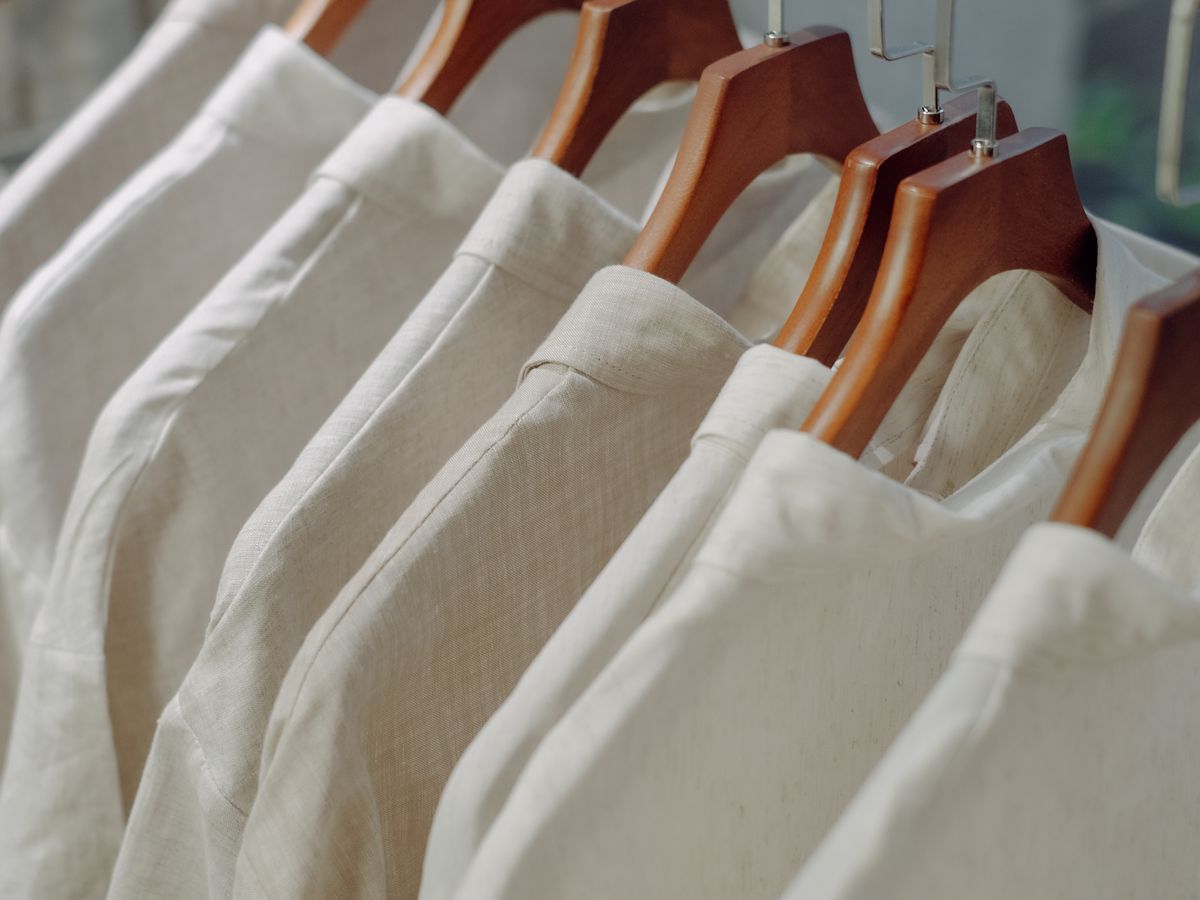
Replace flimsy plastic buttons with nicer horn or metal ones, store shirts and jackets on sturdy wooden hangers to keep their shape, and make sure shoes are always clean and polished. These tiny touches are what the eye registers as “expensive.”
Build a simple weekly care routine
Making cheap clothes look expensive consistently comes down to a light, repeatable routine rather than a big overhaul. A few minutes here and there keeps everything camera-ready.
Once a week, run a fabric shaver over your knits, steam or press what you’ll wear, and check for loose threads or missing buttons. Rotate your favorites so no single piece wears out faster than the rest.
Choose fabrics that punch above their price
When you are shopping on a budget, the fabric matters more than the brand. Natural fibers and dense weaves almost always look more expensive than thin, shiny synthetics, even at the same price point.
Look for cotton, linen, wool blends, and heavier knits that hold their shape. Hold a garment up to the light: if you can see straight through it, it will look cheap no matter how you care for it. A tighter weave drapes better and wears longer.
Neutral, solid colors also read as more premium than loud logos and busy prints. A simple palette of black, navy, white, gray, and one accent color mixes easily and hides its budget origins.
The pre-wear checklist that makes the difference
People who always look sharp run a quick mental checklist before walking out the door. It takes under a minute once it becomes a habit.
Scan for wrinkles, stray threads, visible pills, lint, and untucked or bunched fabric. Keep a lint roller by the door and a small pair of scissors in a drawer so fixing these is instant rather than a project.
Shoes and accessories seal the look
Nothing undermines a carefully cared-for outfit like scuffed shoes or a cracked belt. Clean, well-kept footwear signals attention to detail more powerfully than almost anything else you wear.
A quick wipe-down, the occasional polish, and replacing worn laces cost almost nothing but instantly elevate the whole outfit. The same goes for a simple, quality belt and a watch or two you actually maintain.
Store clothes so they stay ready to wear
Half of looking expensive is simply not letting your clothes get crushed, stretched, or misshapen between wears. How you store them protects all the care work you have already done.
Hang structured items like blazers and dress shirts, fold heavy knits so they do not stretch on hangers, and give everything a little breathing room in the closet. Crammed clothes wrinkle and crease, undoing your pressing before you even get dressed.
Common mistakes that keep clothes looking cheap
Even people who try hard sometimes sabotage their own wardrobe with a few habits. Over-drying on high heat is the biggest culprit, shrinking fabrics, setting wrinkles, and fading color all at once.
Overloading the washer is another, since crammed clothes do not get clean and rub against each other, causing pilling. Using too much detergent leaves a dull residue, and hanging heavy sweaters stretches them into shapeless sacks.
Fix these four things, and cheap clothes look expensive almost by default. Gentle washing, low heat, proper loads, and smart storage do more for how your wardrobe reads than any amount of money ever could.
The best part is that these habits compound. Clothes you care for last longer, so you buy less and can put a little more into the few pieces you truly love, making the whole wardrobe feel richer over time.
Conclusion: care is the real luxury
Expensive-looking clothes are really just well-maintained clothes. Pressing, de-pilling, protecting color, and nailing the fit will make a modest wardrobe look far richer than its receipts suggest.
Your next step: tonight, pick one thing you wear often, press it, shave off any pills, and check the fit. You’ll instantly see how much “expensive” is really just care.
Start small, stay consistent, and let good habits quietly do the work of a much bigger clothing budget.

Felipe Amaral writes about laundry and clothing care for real life — small apartments, busy weeks and clothes you actually want to last. Based in Denver, Colorado, he’s made every laundry mistake in the book so you don’t have to.