
Every parent of an active kid knows the ritual: a triumphant child comes home from the game grinning, and you’re already scanning the knees, the elbows, and the seat of the pants to assess the damage. Grass, mud, and dirt are the holy trinity of family laundry.
The good news is that stain removal for active families doesn’t require a cabinet full of specialty products or a chemistry degree. With a few reliable techniques and the right timing, most of these stains come out completely, even after a rough weekend of soccer, hiking, and backyard chaos.
Why grass, mud, and dirt behave differently
Effective stain removal starts with a simple truth: treating every outdoor stain the same way is the most common mistake. Each one has a different personality, and understanding that is half the battle.
Grass is a protein-and-pigment stain that bonds to fibers, almost like a natural dye. Mud is soil suspended in water, so it spreads and sets as it dries. Plain dry dirt is mostly a surface stain that clings mechanically rather than chemically.
Because of these differences, the sequence you follow matters. The wrong first move, like rubbing wet mud or using hot water on grass, can lock a stain in for good.
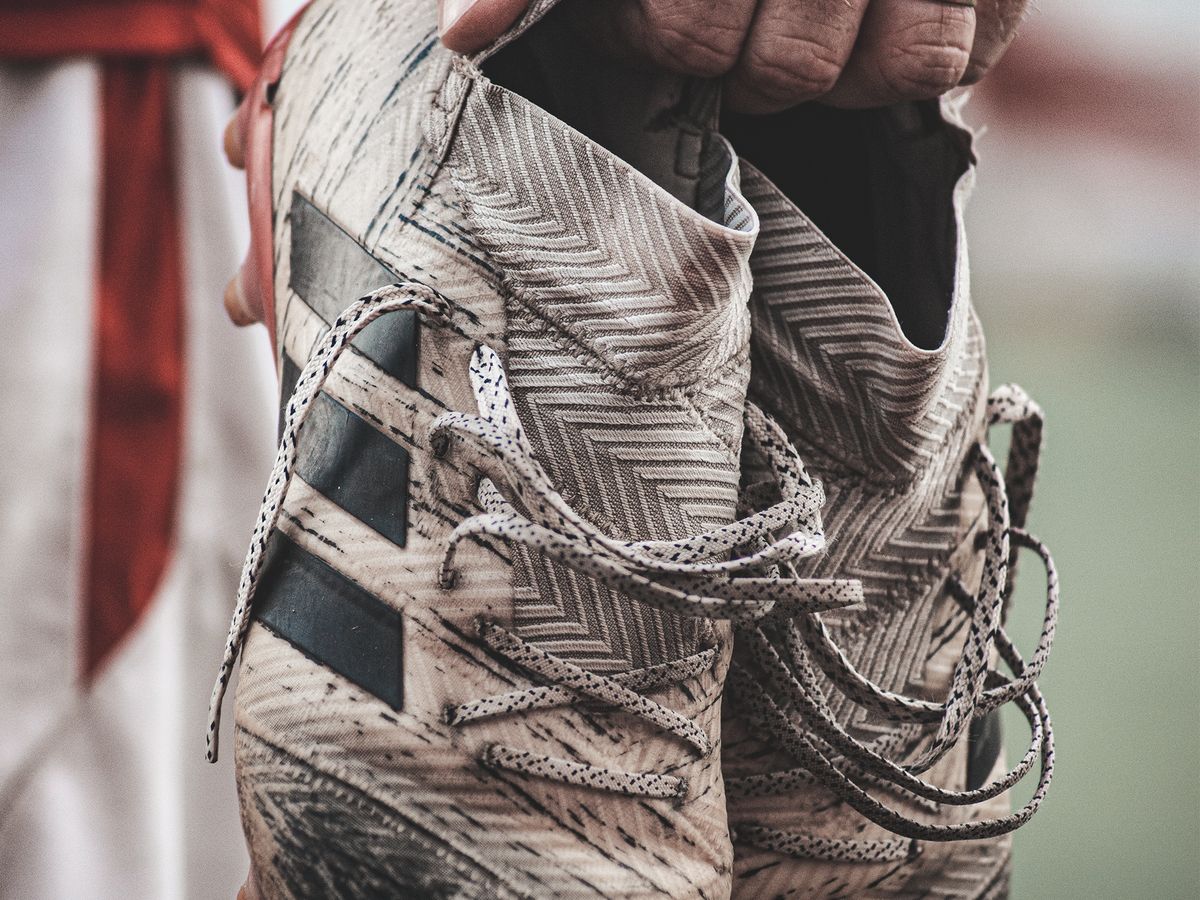
How to remove grass stains for good
Grass stains respond best to enzyme-based treatment. The plant proteins and chlorophyll need to be broken down, not just diluted, which is why plain water rarely works.
Start by working a small amount of liquid enzyme detergent or a paste of oxygen bleach and water directly into the stain. Let it sit for 15 to 30 minutes so the enzymes can do their job, then wash in the warmest water the fabric allows.
A step-by-step grass stain method
- Blot away any loose debris; do not rub it deeper into the weave.
- Pre-treat with liquid enzyme detergent or an oxygen bleach paste.
- Let it sit 15 to 30 minutes to break down the pigment.
- Wash on the warmest safe setting, usually 90 to 105°F for cottons.
- Air dry and check before machine drying, since heat sets any leftover color.
For a stubborn set-in grass mark, a dab of white vinegar before the enzyme step can help loosen it. Never mix vinegar with chlorine bleach, though, because the combination releases dangerous fumes.
The right way to tackle mud stains
Mud is the one stain where your instinct to act fast actually works against you. Wet mud smears and drives deeper into the fibers, turning a small spot into a large one.
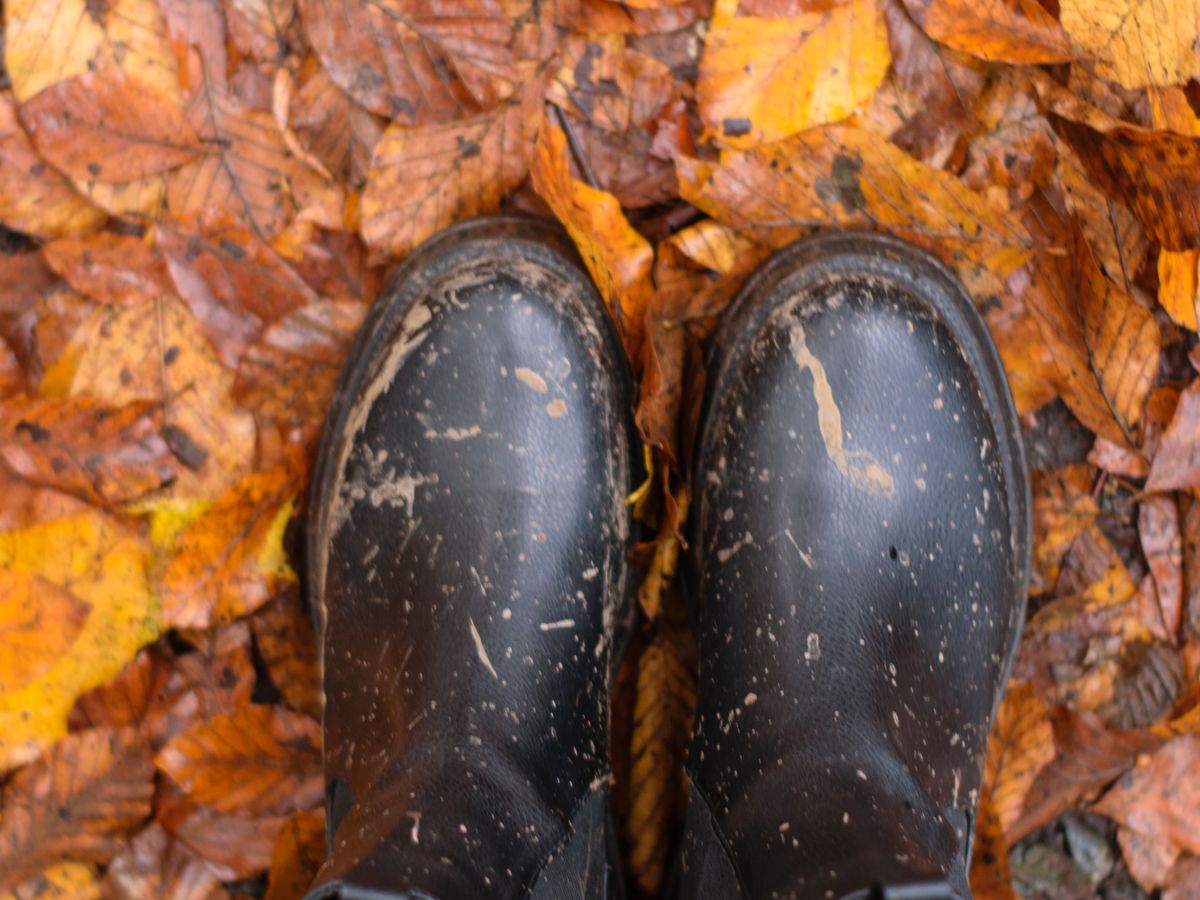
Let the mud dry completely first. Once it’s dry and crumbly, brush or scrape off as much as you can with a spoon or a soft brush, then vacuum the loose bits away.
Only then do you go wet: pre-treat the remaining stain with liquid detergent, let it soak in cool water for 15 minutes, and wash normally. Cool water matters here, because hot water can set the fine clay particles.
Stain removal for everyday dirt and grime
General dirt on collars, cuffs, and knees is usually the easiest of the three. It sits on the surface and lifts with a good pre-treat and agitation.
Rub a little liquid detergent into the area, or use a soft brush for ground-in grime on sturdy fabrics like denim and canvas. A soak in warm water with a scoop of oxygen bleach handles the gray, dingy look that builds up over a season of play.
For a deeper dive into treating specific spots, our stain removal chart covering 20 common stains is a handy reference to keep near the machine.
Building a family stain-fighting kit
You don’t need much, and everything fits in a small bin by the washer. A well-stocked kit turns stain removal from a panic into a two-minute routine.
The essentials are: a bottle of liquid enzyme detergent, a tub of oxygen bleach, a soft-bristled brush, white vinegar, and a few clean white cloths for blotting. Total cost is usually around $20 to $30, and it lasts months.
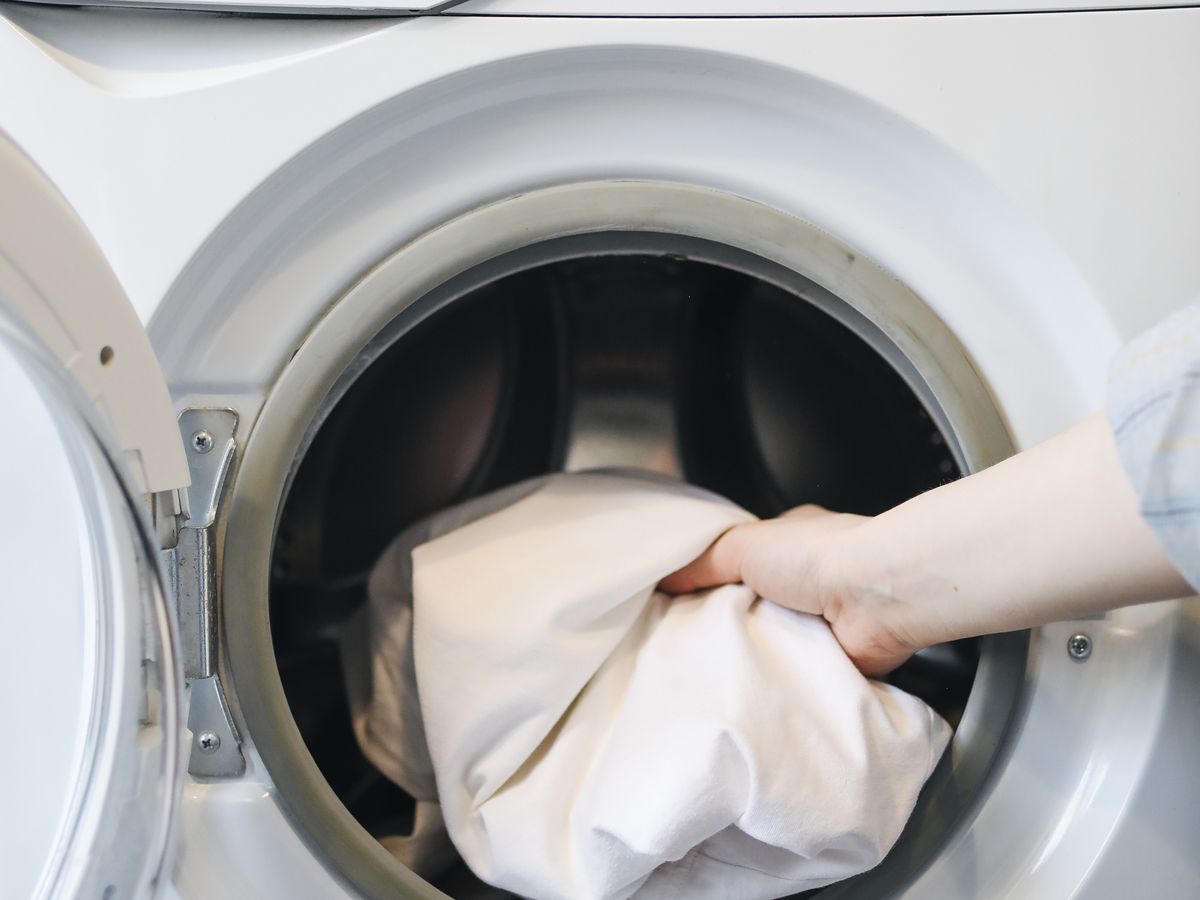
When you wash the treated load, resist the urge to overload the machine. Clothes need room to move so the detergent can flush the loosened stains away, the same principle that helps when you get grease and oil stains out of clothes.
Stain removal timing: the biggest factor
If there’s one rule that matters more than any product, it’s this: the sooner you treat a stain, the better your odds. Fresh stains are sitting on the fibers; old stains have bonded to them.
When you can’t treat something right away, at least keep it damp or rinse it in cool water so it doesn’t dry and set. A quick rinse the moment your kid walks in the door can be the difference between a save and a rag.
For guidance on the safest ways to treat and wash tough family stains, the EPA Safer Choice keeps an approachable reference on the chemistry behind common stains.
Keeping activewear and uniforms in the game
Sports uniforms and technical fabrics need a slightly gentler hand than a cotton t-shirt. High heat and harsh scrubbing can damage the moisture-wicking finish that makes activewear work.
Pre-treat with enzyme detergent, skip the chlorine bleach on synthetics, and wash in cool water. For the full routine, including how to beat lingering odor, see our guide on how to wash and care for activewear.
Stain-removal myths that waste your time
A lot of well-meaning laundry advice actually makes stains worse. The most persistent myth is that hot water is always best; for protein and clay stains like grass and mud, heat is exactly what sets them permanently.
Another myth is that scrubbing harder gets results. Aggressive rubbing frays fibers and pushes the stain deeper, spreading it across a wider area. Gentle blotting and patient soaking almost always beat brute force.
Finally, more detergent is not more cleaning power. Excess soap traps dirt against the fabric and rinses out poorly, leaving a dull residue that actually attracts new grime faster.
A realistic routine for busy weeks
Between practices, school, and everything else, nobody has time for a laundry science project every night. The fix is a simple triage system that takes seconds per garment.
As clothes come off, sort them into two piles: “needs treatment” and “just wash.” Give the treatment pile a fast pre-treat and let it sit in a soaking bin until wash day. Everything else goes straight to the hamper.
The soak-and-forget trick
For heavily soiled sports gear, fill a bucket or the sink with cool water and a scoop of oxygen bleach, drop the items in, and walk away for a few hours or overnight. This passive soak does most of the work while you do something else.
Come back, wash as usual, and the majority of grass, mud, and dirt will already be gone. It is the closest thing to hands-off stain removal that actually works.
When to accept a stain and move on
Not every stain comes out, and chasing a hopeless one can damage the garment. If a stain has been washed and dried several times, the heat has likely set it for good.
At that point, reframe the piece: a permanently stained shirt becomes a designated play or paint shirt, and grass-marked shorts become yard-work clothes. Knowing when to stop saves you time, money, and frustration.
It also helps to teach kids the one-second habit of rinsing a fresh spill themselves. When the whole family treats a stain as a quick, normal task instead of a disaster, the laundry pile gets far less intimidating.
Conclusion: stains are a fixable part of childhood
A muddy, grass-stained kid is a sign of a good day, not a laundry emergency, and stain removal is just the last step of it. With enzyme detergent, oxygen bleach, and the discipline to treat stains early, you can win almost every one of these battles.
Your next step: assemble your small stain kit this weekend and keep it by the machine. The next time your active family comes home covered in the outdoors, you’ll be ready in two minutes flat.

Felipe Amaral writes about laundry and clothing care for real life — small apartments, busy weeks and clothes you actually want to last. Based in Denver, Colorado, he’s made every laundry mistake in the book so you don’t have to.