
You open your closet door at 7:00 AM and a heavy winter coat immediately falls onto your face. You shove it back inside, slam the door shut, and grab a wrinkled shirt off a chair instead. A cramped, overstuffed wardrobe makes getting dressed feel like a daily physical fight. Figuring out how to organize a tiny closet stops this morning chaos completely.
You do not need a contractor to organize a tiny closet, nor an expensive custom shelving system to fix this mess. Renters can double their storage capacity using simple, removable tools and better folding habits. It just takes a few hours, a tape measure, and a strict approach to space management.
The first step to organize a tiny closet is emptying it completely
Pull every single item out and dump it on your bed. You cannot maximize a tight area while working around hanging clothes and floor clutter. Seeing the completely empty space helps you understand exactly what dimensions you are working with.
Take ten minutes to clean the bare walls and floor before you do anything else. Mix warm water around 90°F with a teaspoon of clear liquid dish soap in a bucket. Wipe down the baseboards to remove dust, trapped lint, and stray shoe dirt.
If you live in an older building and spot mildew in the dark corners, you must clean it safely. If chlorine bleach is mentioned or used for heavy cleaning, you must follow strict rules. You must NEVER mix chlorine bleach with ammonia, vinegar, or other household cleaners. Combining these common chemicals creates a highly toxic, potentially lethal gas.
Before putting anything back, you must sort the pile on your bed ruthlessly. If you need help paring down your wardrobe first, reading our guide on Closet declutter: how to decide what stays and what goes makes the process much faster. You only want to store items you actually wear on a regular basis.
Ditch the thick plastic and wooden hangers

Those bulky tubular plastic hangers steal inches of valuable horizontal rod space. Wooden hangers look nice but are even worse for cramped apartments because they are so thick. Upgrading your hangers is the fastest way to organize a tiny closet and immediately gain room.
Switch entirely to slim velvet hangers. A pack of fifty costs about $20 online or at local big box stores. These hangers measure just a quarter of an inch thick. Replacing fifty thick plastic hangers with slim velvet ones gives you nearly a foot of extra rod space instantly.
The velvet texture also grips fabrics tightly, which helps you organize a tiny closet more efficiently. Silk shirts, delicate camisoles, and wide-neck tops will stop slipping off. This prevents your clean clothes from ending up in a wrinkled, dusty pile on the floor.
Install a removable double hang rod
Most rental closets feature a single wooden rod placed about six feet off the floor. This setup leaves a massive void of dead air below your short shirts and jackets. You can fill this empty space without drilling a single hole in the landlord’s drywall.
To organize a tiny closet vertically, buy a hanging closet rod expander for roughly $15. This metal bar hooks directly onto your existing top rod and hangs down about three feet. It instantly doubles your hanging capacity in seconds.
Use the original top rod for long dresses, heavy coats, and long cardigans. Use the new bottom rod for folded trousers, skirts, and short button-down shirts. This simple vertical split makes it much easier to organize a tiny closet visually.
Master the fold to save premium space
You should never hang heavy knits or stiff denim jeans on a rod. Hanging heavy sweaters stretches out the shoulders permanently and ruins the fit, so wash and fold your wool sweaters instead. Hanging thick denim eats up prime rod real estate that delicate fabrics desperately need.
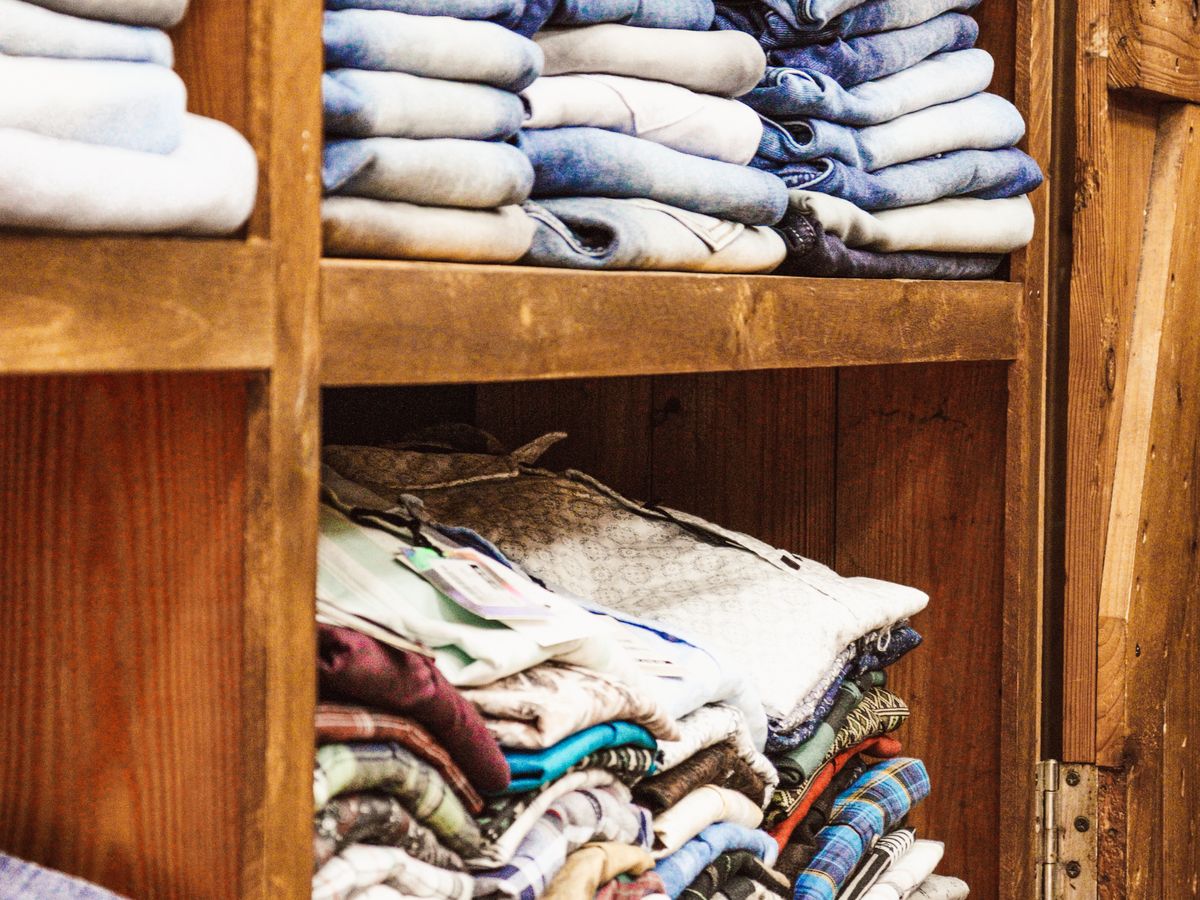
You must fold these bulky items to organize a tiny closet effectively. Stack your jeans flat on the top wooden shelf. Alternate the thick waistbands left and right so the denim stack stays level and does not tip over.
For lighter items like t-shirts and gym shorts, switch to the vertical file folding method. Instead of stacking shirts flat on top of each other, fold them into small rectangles and stand them upright in a drawer or bin.
You can learn this exact technique in our breakdown on how to fold clothes to save space. Filing your clothes lets you see every single shirt at once without destroying a neat pile to reach the bottom one.
Organize a tiny closet with the hidden space behind the door
The back of a swinging closet door is entirely wasted storage space in most apartments. You can turn this blank wood panel into a highly functional accessory station. You just need a simple over-the-door shoe organizer with clear plastic pockets.
A standard plastic organizer costs around $10 and requires zero tools to install. The metal hooks slide right over the top edge of the door frame. Do not limit this cheap tool to just storing running shoes or flat sandals.
These clear pockets are perfect for small, hard-to-store items. Use them to hold rolled leather belts, winter scarves, thick wool socks, and small purses. Keeping accessories out of bins and off the floor is crucial when you organize a tiny closet on a tight budget.
Tackle the floor and high shelves with soft bins
Hard plastic storage tubs waste space because they do not compress or bend. If a rigid plastic bin is an inch too wide, it will simply not fit on your shelf. Canvas storage bins offer flexibility for renters dealing with weird apartment dimensions and tight corners.
Measure your top shelf depth carefully before buying anything. Purchase soft canvas bins that fit flush against the back wall without hanging over the edge. Store your off-season items in these bins to keep them out of your daily sightline.
Use the floor space directly under your hanging clothes for a small rolling laundry hamper. A slim canvas hamper on wheels costs around $25 and keeps dirty laundry off the ground. You can roll it out easily on wash day and tuck it back in under your short hanging items.
Keep humidity and musty smells away
A packed wardrobe often develops a stale, musty odor due to poor air circulation. Damp shoes and trapped humidity breed bacteria in small, dark spaces very quickly. The EPA guidelines on mold and moisture emphasize keeping indoor humidity below 60 percent to stop mildew growth.
Toss a few silica gel packets into your canvas storage bins to absorb trapped moisture. You can buy a pack of fifty packets for about $8 online. Never put damp clothes back on a hanger after washing them.
Ensure your garments are bone dry before storing off-season clothes away. If you struggle with this during the winter, reading How to dry clothes indoors without the musty smell will help you eliminate lingering moisture.
Utilize tension rods for tricky corners
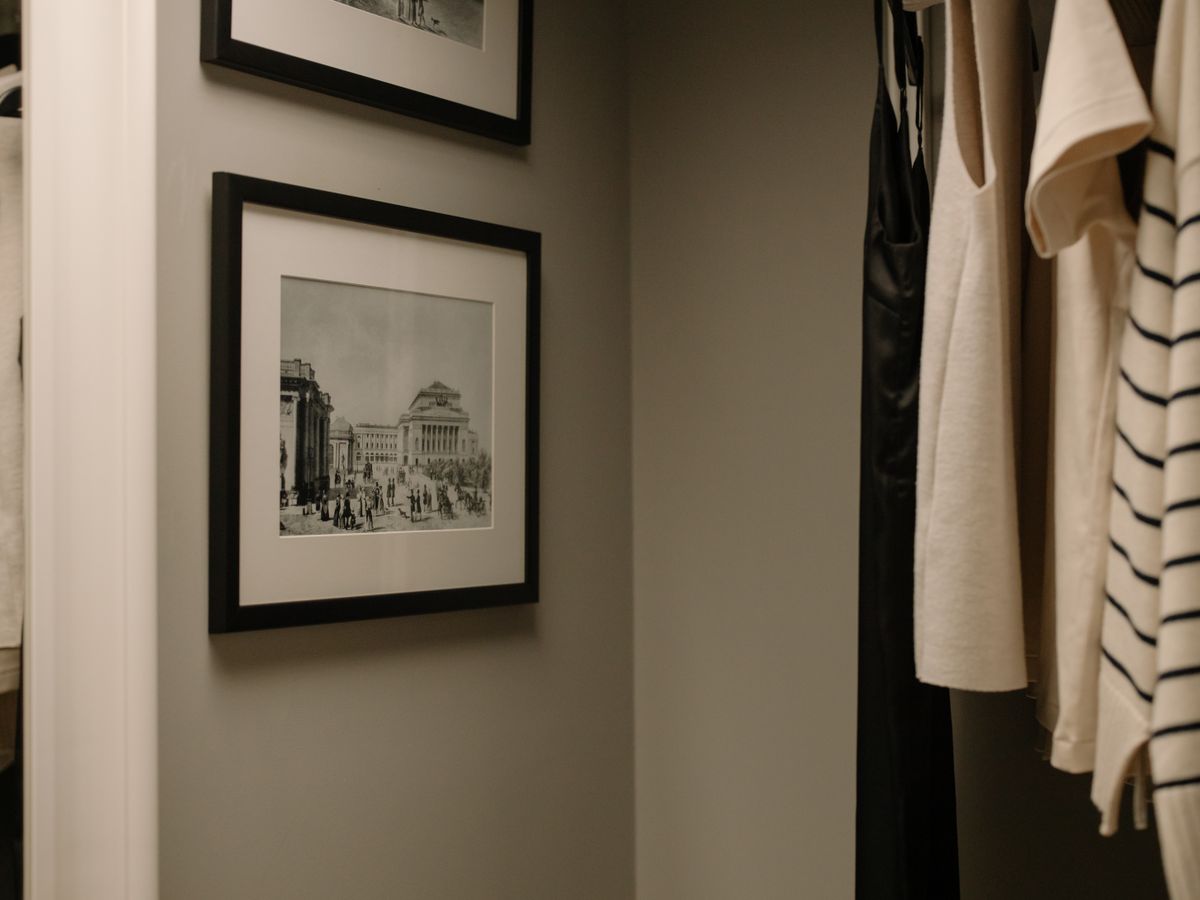
Many older apartments have deep return walls tucked inside the closet frame. This architectural quirk creates a dark, awkward corner where standard wooden rods do not reach. You can reclaim this dead zone using basic spring-loaded tension rods.
Buy a heavy-duty shower tension rod for about $12 at a hardware store. Wedge it tightly between the front wall and the back wall inside that dark corner. This creates a perfect short hanging space for off-season items or heavy canvas bags.
You can also place two thin tension rods near the floor to create a makeshift shoe rack. Place one rod slightly higher and further back than the front rod. Your boots will rest perfectly on the two metal bars, keeping them organized and off the dusty floor.
Add lighting to see what you actually own
Most small apartment closets lack a dedicated overhead light fixture. Searching for a specific black shirt in a dark space usually results in pulling three wrong items off their hangers. You need proper illumination to keep the area neat.
Buy a pack of battery-powered LED puck lights for around $15. These lightweight plastic discs stick directly to the ceiling or under shelves using heavy-duty adhesive strips. They require zero wiring and pop off easily when you move out.
Place one light directly above your hanging rod and another above your top shelf. Motion-sensor versions turn on automatically when you open the door. Good lighting forces you to keep the space clean because you can actually see the mess.
Establish a system to organize a tiny closet long term
Buying velvet hangers and canvas bins means nothing if you do not maintain the space. A small footprint gets messy again in just a few days if you drop your daily habits. You need strict rules to prevent the clutter from returning.
To organize a tiny closet for good, implement the one-in, one-out rule immediately. Every time you buy a new piece of clothing, you must donate, sell, or throw away an old item. This hard limit prevents your wardrobe from physically outgrowing the tight space available.
Follow a weekly maintenance schedule to keep things sharp.
- Take one minute to re-hang any clothes that slipped off or got shoved aside.
- Move your empty hangers to the front of the rod so they are easy to grab on laundry day.
- Check your canvas hamper and run a normal wash cycle if it is full.
- Straighten up your shoe rack and wipe off any fresh street dirt.
Sort your hanging clothes by category and length
When you organize a tiny closet, remember visual clutter makes a small space feel completely overwhelming and chaotic. Grouping your clothes by type makes the area look larger and helps you find things fast. It is a free trick to organize a tiny closet and make it look professionally designed.
Hang all your tank tops together on the far left side of the rod. Move to short-sleeve shirts, then long-sleeve button-downs, then light jackets. Grouping items by length naturally creates a slanted line of clothing bottoms.
This slant opens up usable floor space on the side with the shorter items. You can slide a small set of plastic drawers under the tank tops to hold your gym clothes.
Stop fighting your wardrobe every single morning before work. Buy a pack of slim velvet hangers today and swap out your bulky plastic ones immediately. Taking just one afternoon to organize a tiny closet buys you back peace of mind and keeps your clothes looking great.

Felipe Amaral writes about laundry and clothing care for real life — small apartments, busy weeks and clothes you actually want to last. Based in Denver, Colorado, he’s made every laundry mistake in the book so you don’t have to.