
A pen exploded in my shirt pocket during a meeting once, a spreading blue-black bloom I noticed only when I stood up. I spent the drive home certain the shirt was ruined. It was not, because I caught it in time and resisted the urge to scrub. That single load taught me most of what I know about ink stains: speed and patience matter more than muscle.
Ink stains look intimidating, but most come out if you match the method to the type of ink and act before it sets. The wrong move, like rubbing or hot water, can push the pigment deeper and set it for good. Here is how to lift ink safely, fabric by fabric.
Identify the Type of Ink Stains First
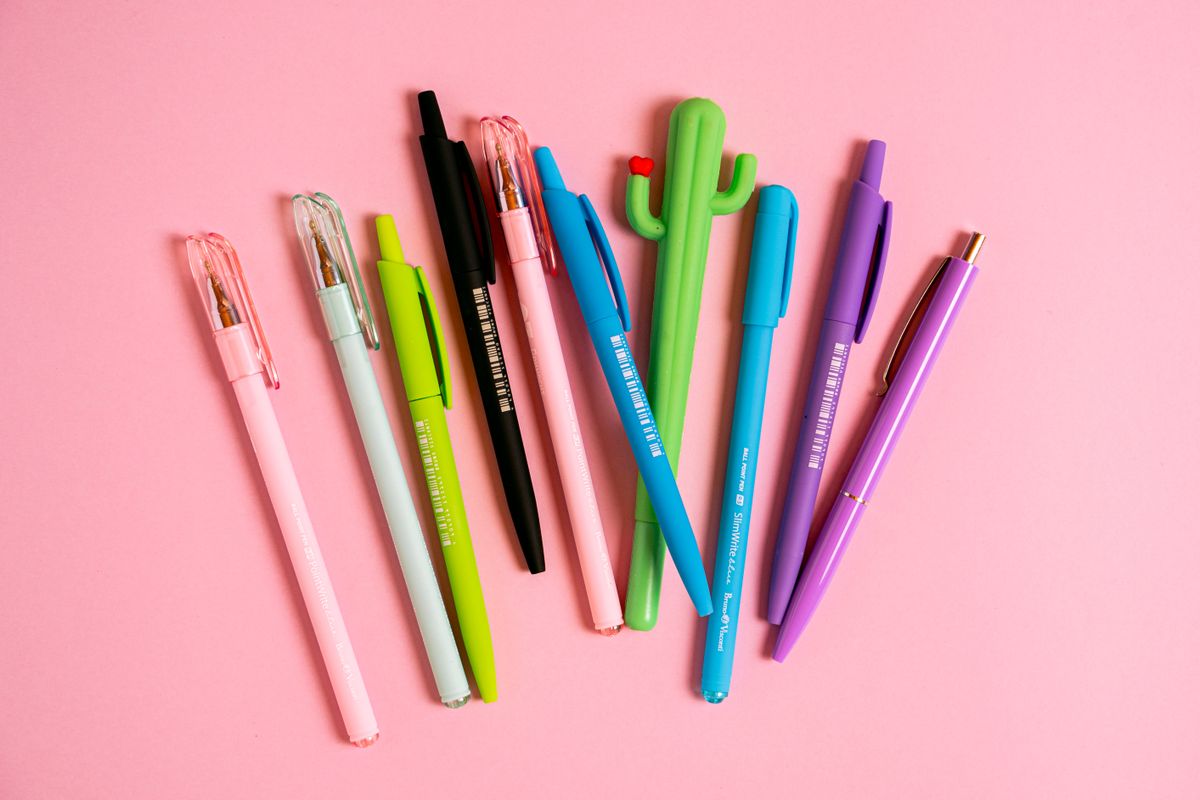
Not all ink behaves the same, and the type dictates your approach. Guessing wrong wastes precious minutes, so take a second to figure out what you are dealing with.
The main categories you will meet at home:
- Water-based ink (washable markers, rollerball, most fountain pens): the easiest to remove with water and soap.
- Oil-based ink (ballpoint pens): needs a solvent like rubbing alcohol to break it down, much like grease and oil stains.
- Permanent marker: the toughest, requiring alcohol and repeated blotting, with no guarantee.
- Gel ink: sits between water and oil based, and usually responds to alcohol.
When in doubt, treat it as a ballpoint stain and start with rubbing alcohol, since that method handles the widest range of inks.
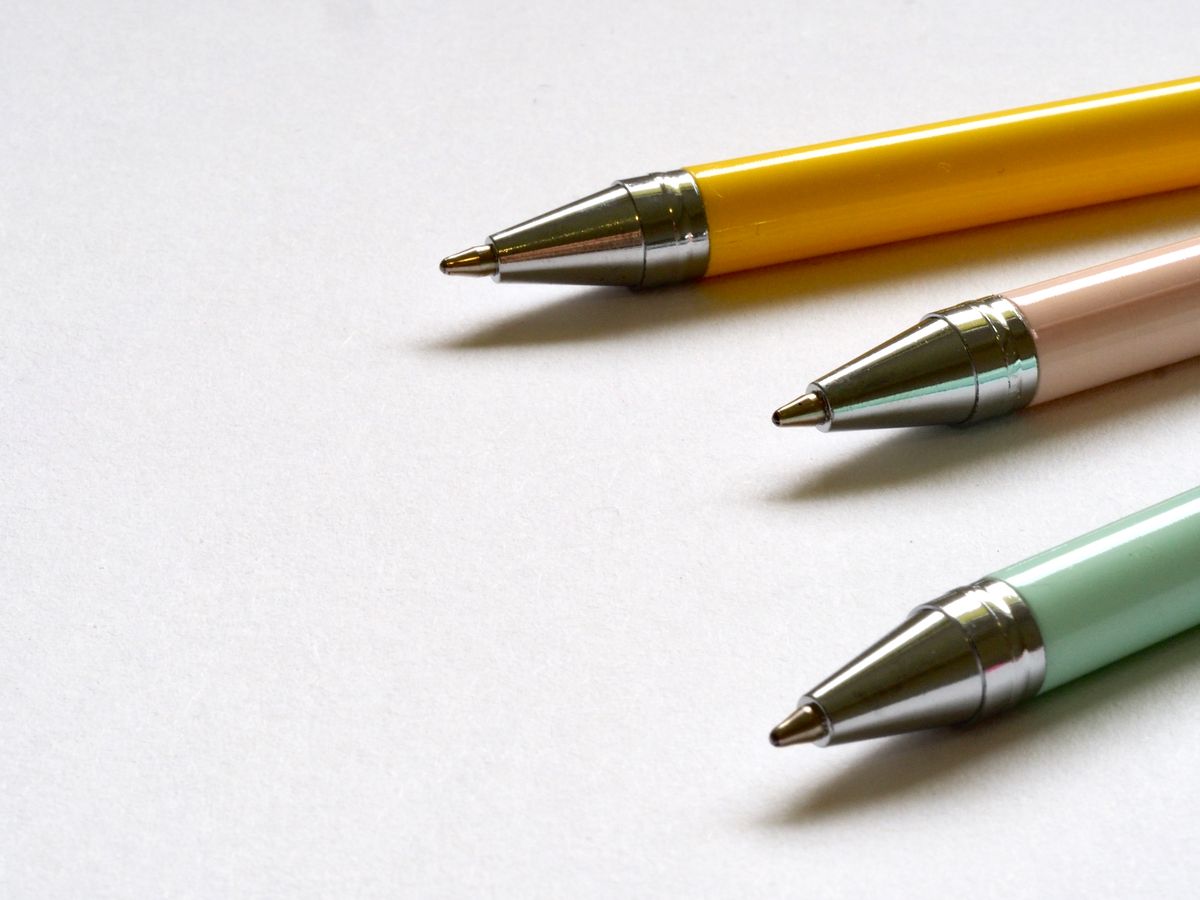
You can often tell the type by the pen itself if it is still around. Ballpoints write with a thick, waxy line and a small metal ball tip; rollerballs and gel pens lay down a wetter, more saturated line; and washable school markers announce themselves right on the barrel. A quick glance at the culprit saves you from starting with the wrong solvent.
The First Five Minutes Matter Most
The moment you notice ink, act. Fresh ink stains sit on the surface; dried ink stains have bonded with the fibers and fights back much harder.
That does not mean an old, dried stain is hopeless. Set ink stains are harder to shift, not impossible; you simply need more repetitions and lower expectations. Loosen a dried stain first by dampening it with cool water and letting it sit a few minutes before you reach for alcohol, which gives the solvent a better chance to work its way in.
Blot ink stains, do not rub. Press a clean white cloth or paper towel gently onto the stain to lift excess ink. Rubbing spreads it wider and grinds it deeper into the weave.
Slip a clean cloth or paper towel behind the stain, so ink transfers downward onto the backing instead of soaking through to the other side of the garment.
Work from the outside of the stain inward. Starting at the edges and moving toward the center keeps the ink from spreading outward into clean fabric, which is the most common way small ink stains become large ones. Change your blotting cloth often so you always press with a clean, dry section.
How to Remove Ballpoint and Gel Ink
Rubbing alcohol is the workhorse for oil-based and gel inks. EPA Safer Choice cleaning products guide works, and plain hand sanitizer will do in a pinch.
Lay the garment stain-down on a clean towel. Dab alcohol onto the back of the stain with a cotton ball, letting it flush the ink out into the towel below. Replace the towel as it picks up color so you are not redepositing ink.
Keep dabbing and blotting until no more ink transfers, then rinse the area with cool water. Wash the garment as usual, but air dry it and check the results, since dryer heat sets any remaining ink permanently.
If ink stains linger after the first attempt, repeat the whole process before washing rather than after. Once the item has gone through a warm wash and dry, whatever ink stains remain are far more stubborn. Two or three patient rounds of dab, blot and rinse will out-perform one aggressive scrub every time.
A Note on Alcohol-Free Alternatives
If you have no rubbing alcohol, a few household items can substitute for ballpoint ink. Clear, non-gel hand sanitizer is mostly alcohol and works well. Aerosol hairspray used to be a go-to because older formulas were alcohol-heavy, though many modern versions are not, so results vary. Whatever you use, test it on a hidden spot and rinse thoroughly afterward.
How to Remove Water-Based and Marker Ink
Water-based ink stains are the friendly ones. Rinse the back of the stain under cool running water until the water runs mostly clear, pushing ink out the way it came in.
Then work a little liquid dish soap or laundry detergent into the stain with your fingers and let it sit for five minutes. Rinse, repeat if needed, and launder normally.
Fountain pen ink deserves a special mention because it is usually water based and comes out surprisingly easily if you catch it fresh. Cold water alone flushes most of it, and a soak in cool water with a little detergent handles the rest. Warm or hot water, by contrast, can set the dye, so keep everything cold until the stain is gone.
Permanent marker ink stains are the exception; they may only lighten. Alcohol and patience help, but set your expectations low and know that a faint shadow sometimes remains.
Special Care for Delicate Fabrics
Silk, wool and anything labeled dry clean only need gentler handling. Alcohol can affect some dyes, so always test on a hidden seam first and watch for color change.
Go slowly and use small amounts. On delicate fibers, less liquid and more blotting is safer than flooding the area, which can leave a water ring or spread the ink into the surrounding weave. If the color starts to lift onto your cloth, stop and switch to a professional.
For valuable or structured pieces, blot up what you can, then take it to a professional cleaner and tell them exactly what the ink is. Home solvents can leave rings or damage on fragile fabric.
Leather and suede are their own challenge and rarely respond to water or alcohol without staining further. For an ink mark on a leather bag or jacket, blot immediately and leave the rest to a specialist, since the wrong home remedy can strip the finish and leave a pale patch worse than the ink itself.
Never reach for chlorine bleach on colored fabric to fight ink, and never mix chlorine bleach with ammonia or vinegar, because that releases toxic gas, a combination the EPA Safer Choice specifically warns against. On white cotton only, a diluted oxygen bleach soak is the safer brightener.
What Not to Do
A few common mistakes turn fixable ink stains into permanent ones. Avoid them and your odds improve dramatically.
Also resist the temptation to throw the item in with a normal load and hope for the best. Washing an untreated ink stain with other clothes can transfer pigment onto everything else in the drum. Always treat the stain on its own first, confirm it is gone, and only then wash it alongside the rest of your laundry.
Do not use hot water, do not tumble dry until the stain is gone, do not iron over the area, and do not scrub aggressively. Each of these either sets the ink or spreads it into a larger, fainter cloud that is harder to target.
Do not layer solvents either. Pouring dish soap on top of alcohol on top of a stain remover creates a chemical mess that can react unpredictably and damage the fabric. Pick one method, finish it, rinse fully, and only then try a different approach if the first did not work.
Your next step: stash a small bottle of rubbing alcohol for ink stains and a few cotton balls in your laundry area now, so the next time a pen leaks you can treat it in the first five minutes instead of mourning a favorite shirt.

Felipe Amaral writes about laundry and clothing care for real life — small apartments, busy weeks and clothes you actually want to last. Based in Denver, Colorado, he’s made every laundry mistake in the book so you don’t have to.