
The first time I ruined a silk blouse, I did everything a caring person would do: warm water, a good scrub, a tumble in the dryer to save time. It came out stiff, water-spotted and a full size smaller, and it never draped the same again. Silk punishes good intentions applied the wrong way.
Good silk care is really about restraint, cool water, gentle hands and patience instead of heat and agitation. Once you understand what silk is, the rules stop feeling fussy and start making sense. Here is how to wash, dry and store silk and other delicates so they last for years.
What Makes Silk So Delicate
Silk is a natural protein fiber, spun by silkworms and chemically closer to your hair than to cotton, as fiber-care resources like the EPA Safer Choice explain. That protein structure is what gives silk its shimmer and softness, and also what makes it vulnerable to heat, harsh detergents and rough handling, in the same way careful habits help you care for denim so it lasts.
Hot water relaxes and weakens the protein bonds, which is why silk shrinks and loses luster when washed warm. Alkaline detergents strip its natural sheen, much like harsh washing can fade black clothes, and the friction of a normal wash cycle roughs up the fibers into a dull, fuzzy surface.
Understand those three enemies, heat, harsh chemicals and friction, and every rule that follows becomes obvious. Good silk care simply removes all three.
It helps to know your silk, too. Charmeuse and chiffon are feather-light and unforgiving; a heavier silk twill or a silk blend with a little elastane is far more resilient and forgives the occasional machine wash. When in doubt, treat the piece as if it were the most delicate silk you own.
How to Wash Silk Safely
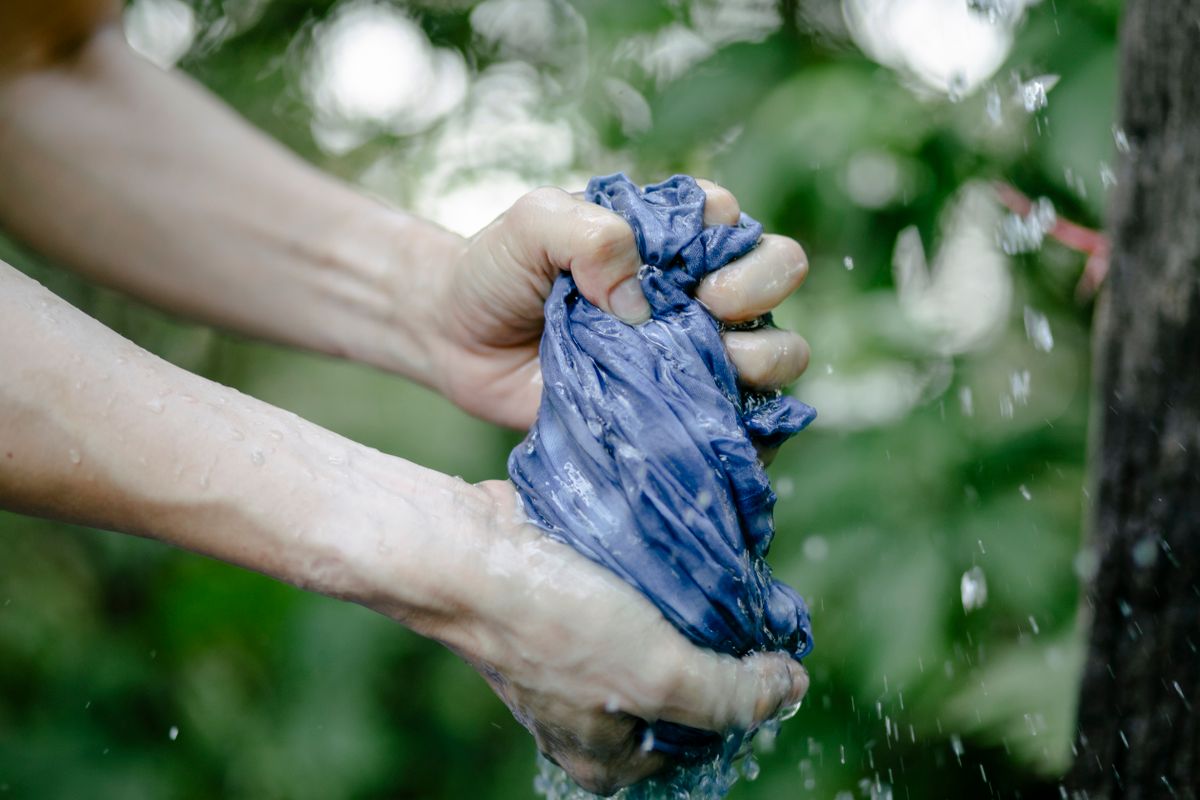
Always check the care label first. If it says dry clean only, believe it for structured or brightly dyed pieces where color could bleed. Many silk items, though, can be hand washed at home with care.
To find out whether a silk piece is colorfast, dab a hidden inside seam with a damp white cloth. If color transfers to the cloth, keep that garment out of the water and take it to a professional instead. This thirty-second test has saved more of my silks than any product ever has.
Hand washing, step by step
- Fill a basin with cool water, no warmer than about 85F, and add a small amount of pH-neutral or silk-specific detergent.
- Submerge the garment and swish gently for a few minutes. Do not wring, twist or scrub.
- Rinse in fresh cool water until no suds remain. A splash of white vinegar in the final rinse restores shine and removes soap residue.
- Press the water out gently between your palms or in a towel, never twist.
If you must use a machine, choose the delicate or hand-wash cycle, place the silk in a mesh laundry bag, use cold water and a gentle detergent, and skip the spin. Even then, hand washing is safer for anything you truly value.
Do not soak silk for long stretches, either. Five to ten minutes in the basin is plenty; leaving it submerged for an hour can cause dyes to bleed and fibers to swell. Work quickly and gently, and get the garment out of the water and onto a towel as soon as it is clean.
Drying Silk Without Damage
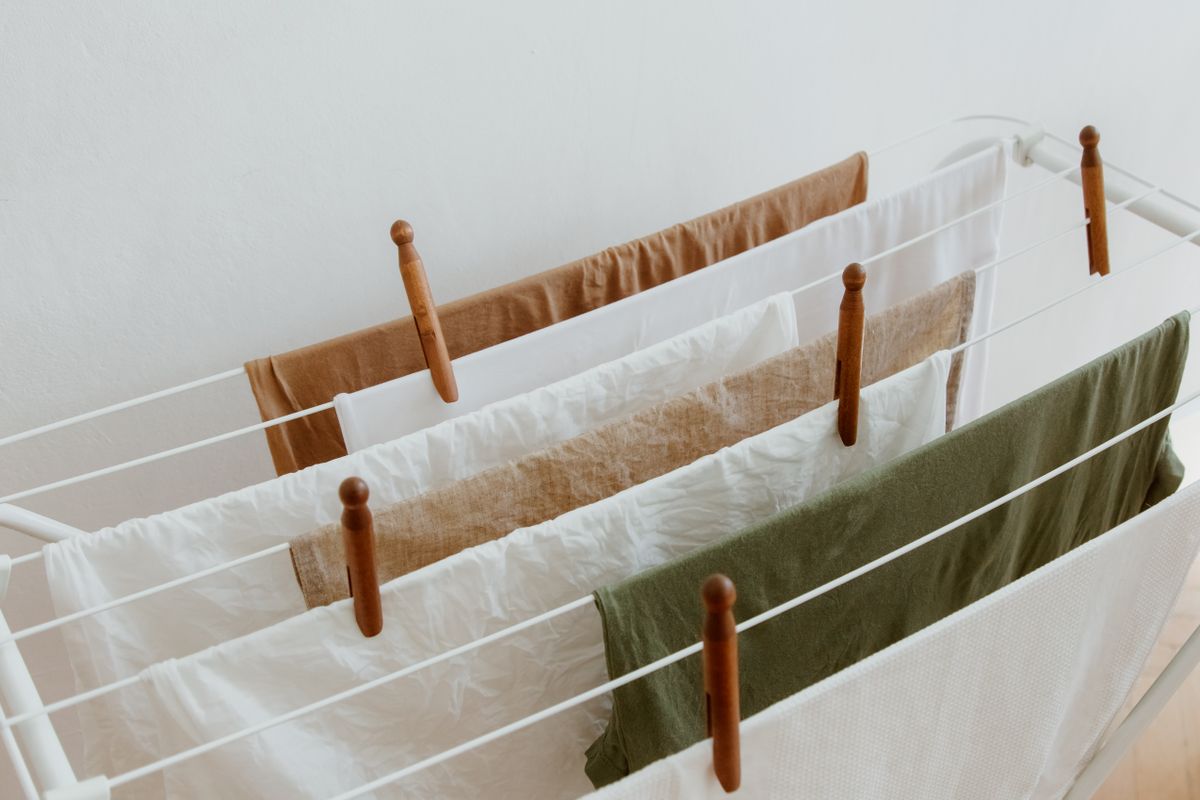
The dryer is silk’s worst enemy. High heat and tumbling will shrink, wrinkle and weaken the fibers in a single cycle. Silk should always air dry.
Lay the garment flat on a clean, dry towel, reshape it gently, and roll the towel to blot excess water. Then hang or lay it flat away from direct sunlight and heat sources, since sun fades silk quickly. Avoid clothespins, which leave marks; drape instead.
Silk dries fast, usually within a few hours, so there is rarely any need to rush it with heat.
Watch out for water spots, which are the classic silk drying flaw. They appear when minerals in the water dry unevenly on the surface. Drying the garment flat and evenly, rather than dripping from a line, keeps the moisture uniform and the finish smooth. If a faint ring appears, a light steam usually relaxes it away.
Ironing and De-Wrinkling Silk
If your silk needs pressing, iron it while slightly damp on the lowest silk setting, always on the reverse side, and use a pressing cloth between the iron and the fabric. Never let a hot iron touch silk directly.
A better option for most people is a garment steamer held a few inches away, which relaxes wrinkles without any risk of scorching. Hanging silk in a steamy bathroom also works in a pinch for light creases.
Whatever method you choose, work on silk while it still holds a little moisture, because bone-dry silk resists de-wrinkling and tempts you into raising the heat. A touch of residual dampness lets the fibers relax at a low, safe temperature.
Storing Silk and Other Delicates
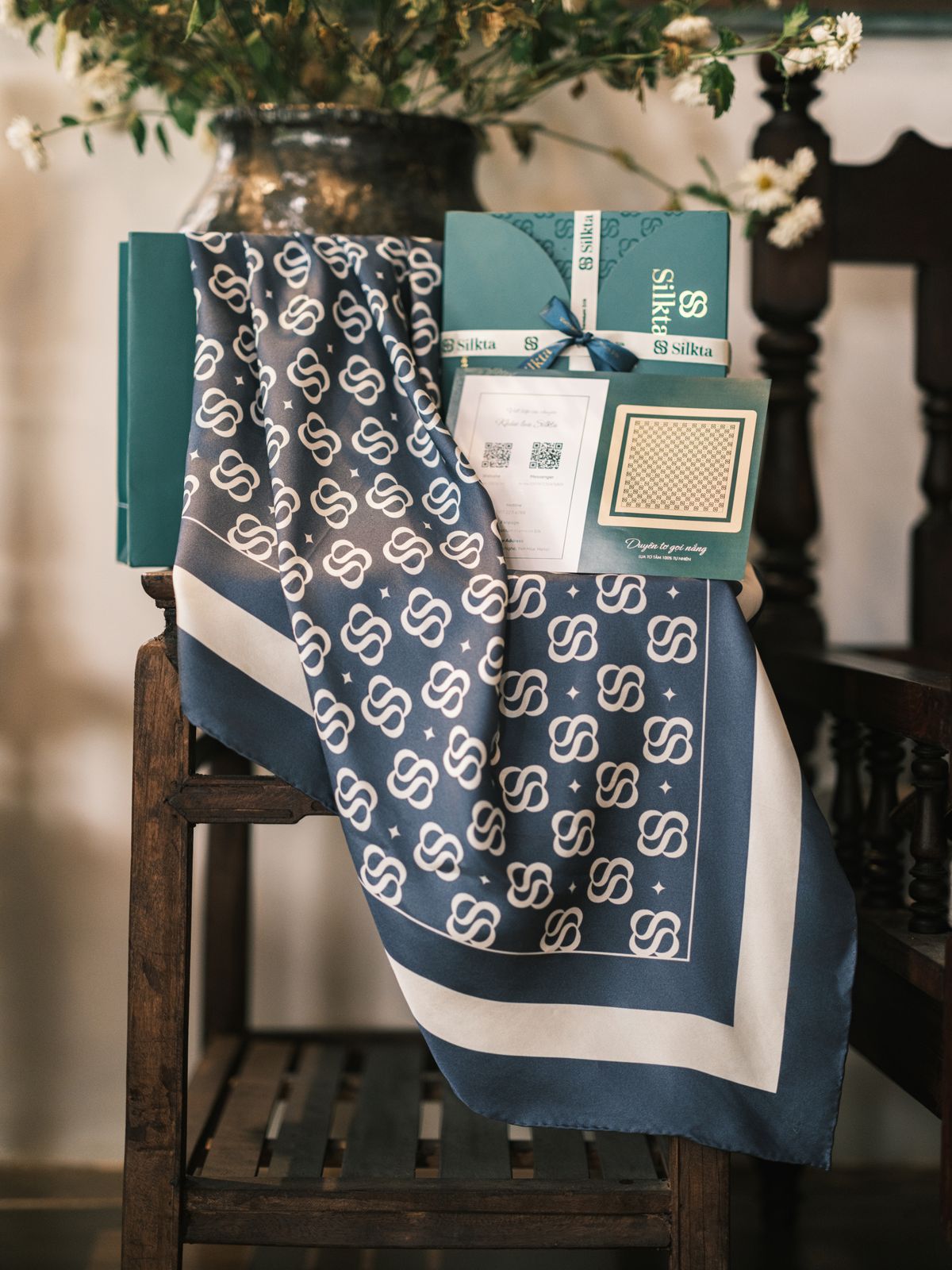
Store silk clean, since body oils and perfume attract insects and can set into stains over time. Fold lightweight pieces loosely with acid-free tissue, or hang structured items on padded hangers so the shoulders keep their shape.
Keep silk in a cool, dark, breathable spot, following the same logic you would use to store off-season clothes in a small apartment; a cotton garment bag protects it while still letting air move. Avoid plastic, which traps moisture and can yellow the fabric. A cedar block or lavender sachet nearby deters moths naturally.
For long-term storage in a small closet, roll silk scarves and lightweight pieces rather than folding them hard, which prevents permanent crease lines. Give structured silk blouses enough space on the rail that they are not crushed between heavier garments, and check on stored silk once or twice a year to air it out.
Treating Stains and Common Mishaps
Act fast on spills: blot, never rub, with a clean cloth. For most stains, a dab of mild detergent in cool water is the safest home treatment. Test any product on a hidden seam first.
Never use chlorine bleach on silk; it dissolves the protein fibers and yellows them. And as a general safety rule, never mix chlorine bleach with ammonia or vinegar on any fabric, because the fumes are toxic. For stubborn or set stains on silk, a professional cleaner is worth the cost.
Sweat and deodorant deserve special mention, because they are the silent killers of silk under the arms. The salts in perspiration weaken and discolor the fibers over time, so rinse a worn silk top promptly rather than letting sweat sit. Dress shields or an undershirt can protect a favorite blouse from ever taking the hit.
Silk Care on a Renter’s Budget
You do not need a laundry room or expensive gadgets to look after silk well. A clean sink or a dishpan basin, a bottle of gentle detergent and a couple of clean towels cover almost every situation, which makes silk care realistic even in a tiny apartment.
A small handheld steamer, often under twenty-five dollars, is the one upgrade worth making. It replaces both the iron and a surprising number of dry-cleaning trips, folds away into a drawer, and takes the fear out of wrinkled silk. Pair it with a folding drying rack and you have a complete delicate-care setup that fits in a closet.
Handled this way, caring for silk at home costs pennies per wear instead of the price of repeated professional cleaning, and the fabric usually lasts longer for the gentler treatment.
Building Simple Silk-Care Habits
Most silk disasters come from treating it like everyday laundry. Once cool water, gentle detergent and air drying become automatic, silk care takes only a few extra minutes and rewards you with garments that stay luminous for years.
Your next step: pull out one silk piece you have been avoiding washing, and hand wash it tonight using the cool-water method above. Once you see how easy and safe it is, the dry-cleaning bills and the fear both start to disappear.

Felipe Amaral writes about laundry and clothing care for real life — small apartments, busy weeks and clothes you actually want to last. Based in Denver, Colorado, he’s made every laundry mistake in the book so you don’t have to.