
There is nothing quite like a pair of jeans that has aged with you, the denim softened to the shape of your body and faded exactly where your hands rest and your keys sit. That kind of character cannot be bought off a rack; it is earned over months of wear.
Most people accidentally wreck that process by washing their jeans the way they wash everything else. Learning to care for denim properly means your favorite pairs last for years and fade into something uniquely yours instead of turning dull and shapeless.
Why denim needs different care
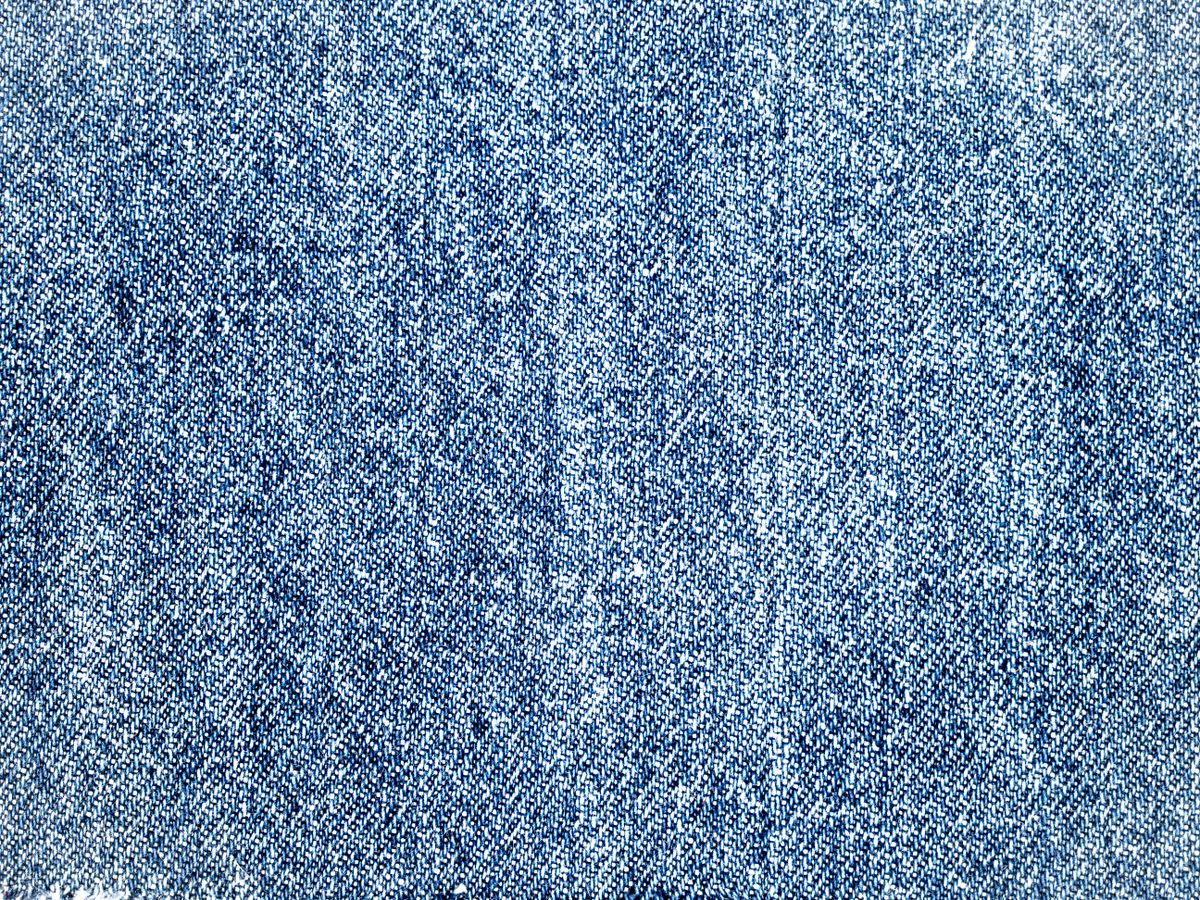
Denim is a heavy cotton twill dyed with indigo that sits on the surface of the yarn rather than soaking all the way through. That is why worn spots turn lighter and why the fades are so distinctive.
Every wash strips away a little indigo and agitates the cotton fibers, which is exactly why over-washing is the fastest way to ruin a good pair. To care for denim well, you wash less, wash gently, and let the fabric do its slow, beautiful thing.
The payoff is real: jeans that develop honest, personal fades and hold their shape season after season. If you love clothes that age gracefully, the same mindset applies to knitwear, which I cover in how to wash wool sweaters without shrinking them.
How often should you actually wash jeans?
Far less often than you think. Denim experts and many designers recommend washing jeans only every 10 or more wears, and some enthusiasts stretch it much further.
Between washes, you can freshen a pair by airing them out overnight or spot-cleaning small marks. When you do care for denim by washing rarely, the indigo stays richer and the fabric keeps its structure.
- Everyday jeans: wash every 10 to 15 wears, or when visibly dirty.
- Raw or selvedge denim: hold off for months to build sharp fades.
- Odor only: air them out or freeze overnight instead of washing.
- Small stains: spot-treat rather than washing the whole pair.
The right way to wash denim
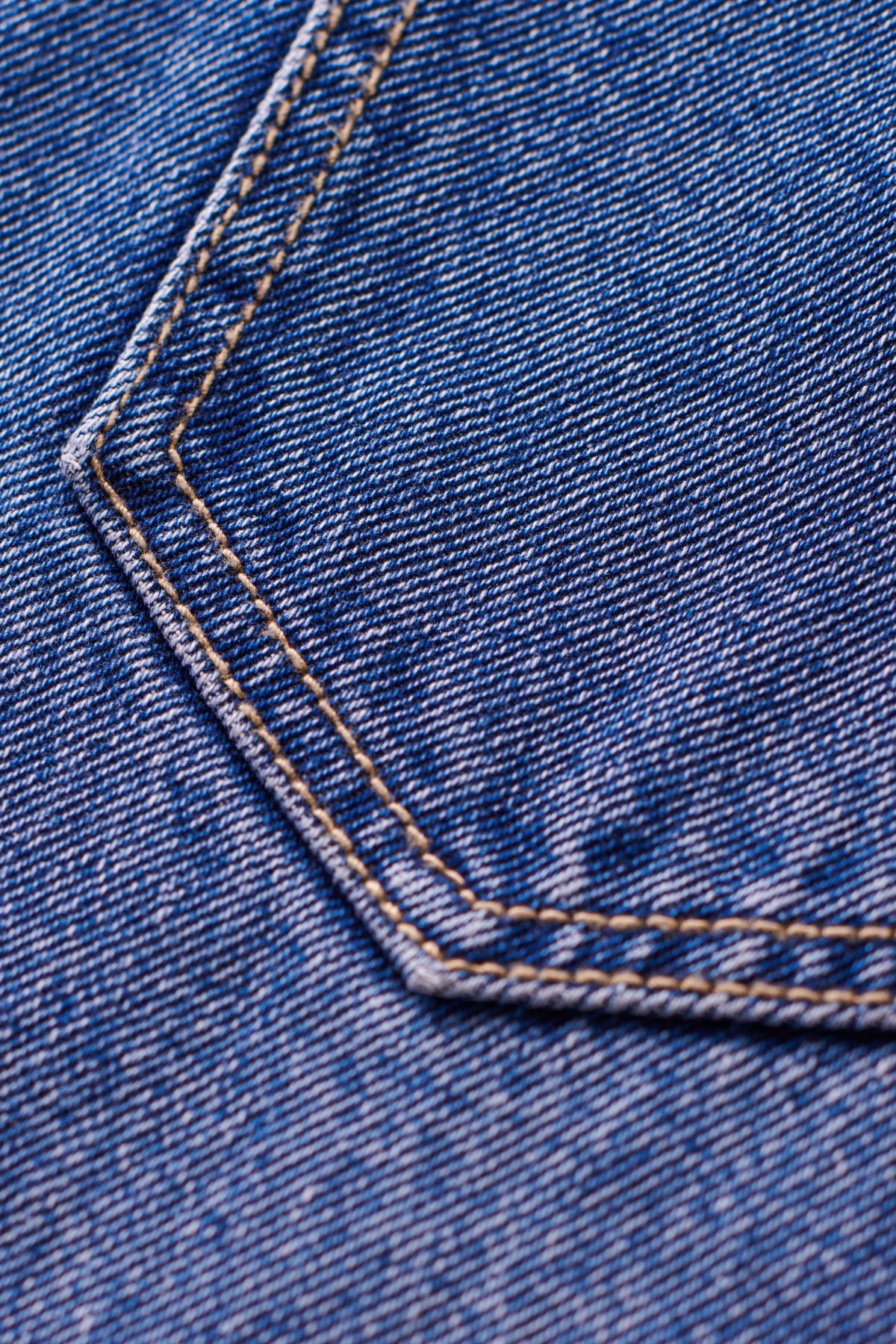
When a wash is truly due, turn the jeans inside out first. This protects the outer surface from abrasion and keeps the indigo from rubbing off unevenly.
Use cold water, around 60 to 80 degrees Fahrenheit, following EPA WaterSense laundry products, with a small amount of mild detergent. Cold water is gentler on dye and prevents shrinking, and choosing the right temperature matters for every fabric, as I explain in picking the right water temperature for every load.
Run a gentle or hand-wash cycle, and skip the fabric softener, which coats the fibers and dulls the finish. To care for denim without a machine, a bathtub soak in cold water for 30 to 45 minutes works beautifully.
Drying denim without damage
The dryer is where good jeans go to die. High heat shrinks denim, weakens the fibers, and fades the color faster than anything else you can do.
Always air dry instead. Hang jeans by the waistband or lay them flat, ideally in the shade, since direct sun can bleach the indigo unevenly. Air drying is the single most important habit when you care for denim, and it costs nothing.
If you must use a machine, tumble on the lowest heat for just a few minutes to soften them, then hang to finish. Your jeans will thank you with years of extra life.
Preserving fades and fixing fading you do not want
Intentional fades are the reward of patient wear, but blotchy or premature fading usually comes from hot water and harsh washing. To keep the color you want, wash cold, inside out, and rarely.
If your dark jeans are fading too fast, the same rules that keep other dark clothes rich apply here, which I detail in how to keep black clothes from fading. A cup of white vinegar in the first few washes can also help set the dye.
One safety reminder: if you ever try to lighten denim with a bleach product, never mix chlorine bleach with ammonia or vinegar, as the fumes are dangerous. Use any bleach on its own and heavily diluted.
Storing jeans to keep their shape
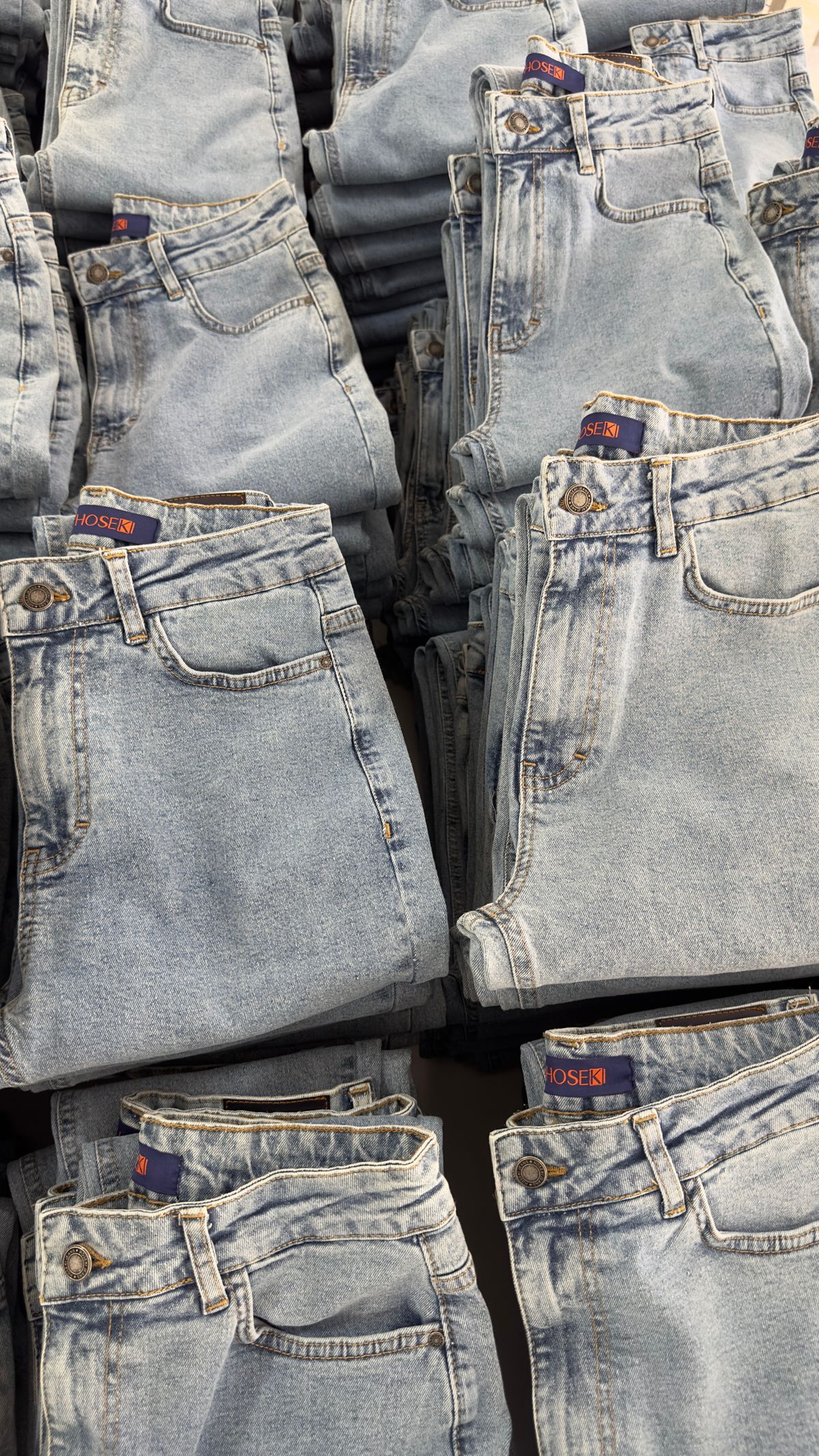
How you store jeans between wears matters more than most people realize. Cramming them into a stuffed drawer creases the fabric and distorts the fades you have worked to build.
Fold jeans along their natural seams and stack them loosely, or hang them by the belt loops or waistband. In a small closet, folding and filing them upright saves space while keeping each pair visible and crease-free.
Give heavily worn pairs a day to breathe between wears so moisture and odor dissipate naturally. This simple rest period is a quiet but essential part of learning to care for denim.
Repairs that extend denim life
Even well-loved jeans eventually wear thin at the knees, hem, or crotch. Catching these early and mending them keeps a pair going for years longer.
A simple iron-on patch or a few dollars at a tailor can reinforce a weak spot before it becomes a hole. Many denim fans consider visible mending part of the story, turning repairs into character rather than flaws.
Common denim care mistakes
Even people who love their jeans often sabotage them out of habit. Knowing the usual pitfalls makes it much easier to care for denim the right way.
The most common mistake is washing far too often, treating jeans like a T-shirt when they rarely need it. Close behind is using hot water and high dryer heat, which shrink the fabric and blast the color out in a single cycle. Others include using too much detergent, which leaves residue that stiffens the denim, and wringing wet jeans hard, which twists and weakens the seams. Fabric softener is another quiet culprit, coating the cotton and flattening the crisp hand that good denim is known for.
Avoid those five habits and you have already solved most of what goes wrong with jeans. Everything else is just fine-tuning.
Caring for different types of denim
Not all jeans are built the same, and the way you care for denim should shift a little with the fabric. Stretch denim, raw denim, and pre-washed jeans each have their quirks.
Stretch denim contains elastane, which breaks down with heat, so cold washing and air drying are non-negotiable if you want the fit to last. Raw denim is unwashed and stiff at first, rewarding months of patient wear with dramatic, personal fades, so you wash it as little as possible. Pre-washed and distressed jeans are the most forgiving, but the same gentle, cold, inside-out routine keeps their softness and prevents the distressing from tearing further than intended.
Matching your routine to the fabric is a small step that pays off in fit, color, and longevity across every pair you own.
Common denim care mistakes
Even people who love their jeans often sabotage them out of habit. Knowing the usual pitfalls makes it much easier to care for denim the right way.
The most common mistake is washing far too often, treating jeans like a T-shirt when they rarely need it. Close behind is using hot water and high dryer heat, which shrink the fabric and blast the color out in a single cycle. Others include using too much detergent, which leaves residue that stiffens the denim, and wringing wet jeans hard, which twists and weakens the seams. Fabric softener is another quiet culprit, coating the cotton and flattening the crisp hand that good denim is known for.
Avoid those five habits and you have already solved most of what goes wrong with jeans. Everything else is just fine-tuning.
Caring for different types of denim
Not all jeans are built the same, and the way you care for denim should shift a little with the fabric. Stretch denim, raw denim, and pre-washed jeans each have their quirks.
Stretch denim contains elastane, which breaks down with heat, so cold washing and air drying are non-negotiable if you want the fit to last. Raw denim is unwashed and stiff at first, rewarding months of patient wear with dramatic, personal fades, so you wash it as little as possible. Pre-washed and distressed jeans are the most forgiving, but the same gentle, cold, inside-out routine keeps their softness and prevents the distressing from tearing further than intended.
Matching your routine to the fabric is a small step that pays off in fit, color, and longevity across every pair you own.
Your next step
Pick your favorite pair and commit to the denim routine: wear them more, wash them less, always cold and inside out, and always air dried. Within a few months you will see richer color, a better fit, and fades that are unmistakably yours. That is the quiet reward of learning to care for denim the right way.

Felipe Amaral writes about laundry and clothing care for real life — small apartments, busy weeks and clothes you actually want to last. Based in Denver, Colorado, he’s made every laundry mistake in the book so you don’t have to.