
The glass tips, the room goes quiet for a half-second, and a dark red bloom spreads across your shirt or the couch cushion. Everyone at the table has an opinion, and half of them are wrong. What you do in the next five minutes matters far more than anything you do an hour later.
Red wine on clothes is beatable, but only if you move fast and skip the myths that actually set the stain. Here is exactly what to do the moment it happens, and what to avoid, so you can save the garment instead of mourning it.
Why Red Wine Stains So Aggressively
Red wine gets its color from anthocyanins, the same pigment family that stains berries and beets. According to the EPA Safer Choice, quick action is the single biggest factor in stain removal. These are natural dyes, and they bond quickly to fabric fibers, much like the pigments behind a stubborn coffee stain on fabric, especially as the wine dries and the liquid evaporates.
Wine also contains tannins, which set into a stubborn secondary stain if exposed to heat. That is why the two golden rules are speed and cool temperatures. The longer red wine sits and the hotter the water you use, the harder it fights back.
There is a third factor people forget: fabric type. A tightly woven synthetic sheds wine far more easily than thirsty natural cotton or the loose weave of a wool sweater. Knowing what you are dealing with helps you decide how aggressively to treat the stain and whether a home fix is even safe.
The First 5 Minutes: Your Emergency Response
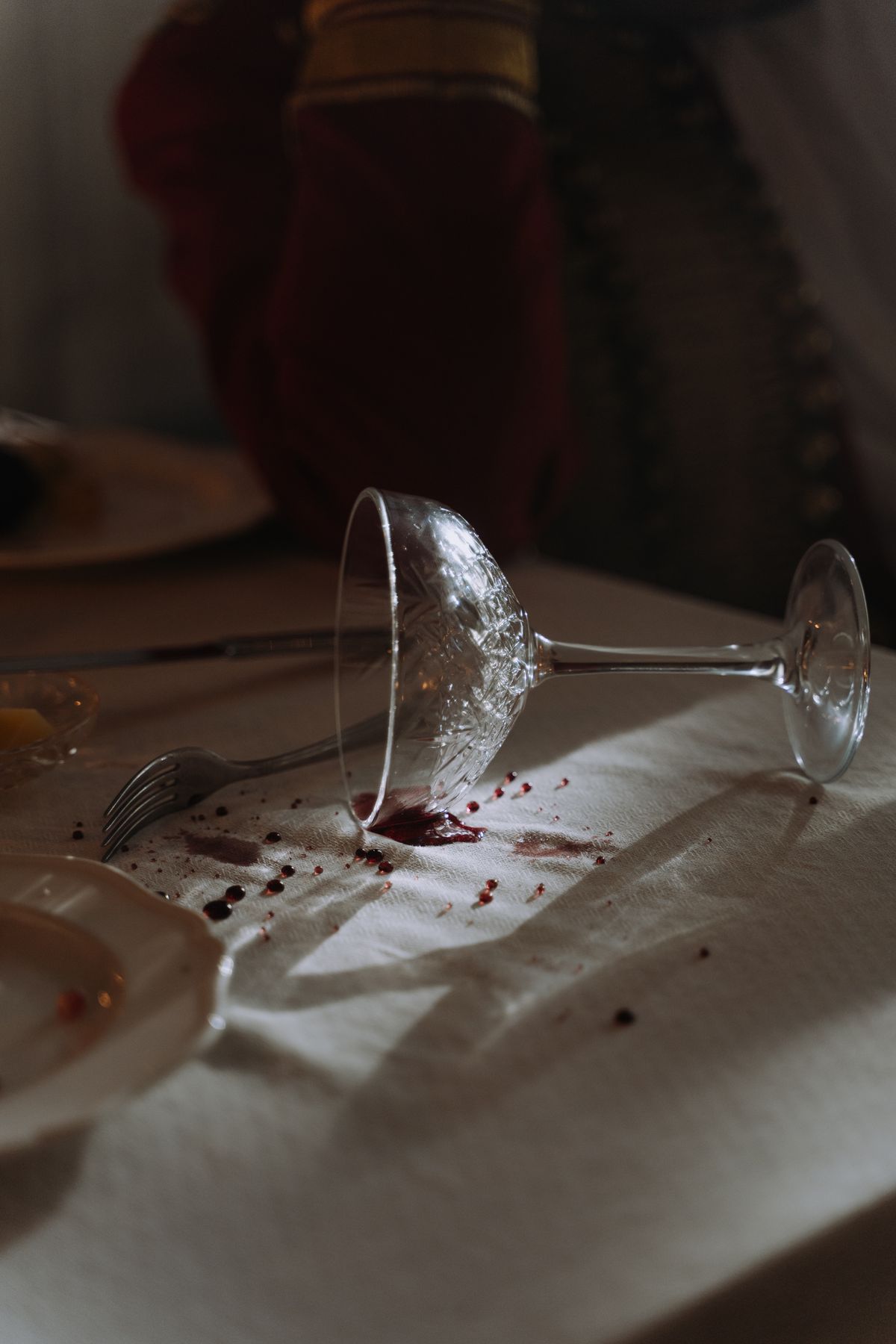
The instant red wine lands on clothes, act. Do not finish your sentence, do not find a napkin later, move now. The goal in these first minutes is to lift as much wine out of the fabric as possible before it bonds.
If the stain is on something you are wearing, get to a bathroom and work on it there rather than trying to treat it discreetly at the table. A few minutes of focused attention over a sink beats an hour of dabbing with a dinner napkin, and it keeps you from accidentally grinding the pigment in deeper while you socialize.
- Blot, never rub. Press a clean, dry cloth or paper towel straight down to soak up wine. Rubbing pushes the pigment deeper and spreads the stain.
- Flush the back of the stain with cool running water to push wine out the way it came in, not through the fabric.
- Cover the stain generously with salt or, better, a paste of cool water. The salt draws liquid up and out of the fibers.
- Keep blotting until no more color transfers to your cloth.
Only once you have lifted the bulk of the wine should you move on to a proper cleaning agent. These first minutes do most of the heavy lifting.
If you are away from home, the same logic applies with whatever you have. Sparkling water and a stack of napkins will hold the line until you can properly treat red wine on clothes back at the house. The enemy is time and heat, so keep the fabric cool and damp rather than letting it dry on the drive home.
What to Reach For (and What to Avoid)
Products that work
After blotting, your best allies are dish soap mixed with hydrogen peroxide (about one part soap to three parts peroxide) for white and colorfast fabrics, or an oxygen bleach soak for tougher cases. A dedicated enzyme stain remover also works well, and the same toolkit handles grease and oil stains that often show up at the same dinner table.
Apply your chosen solution to the stain, let it sit for a few minutes so it can break the pigment bonds, then blot again with a clean cloth. Repeat two or three times rather than scrubbing once hard; patience beats force with any dye-based stain. Rinse with cool water between rounds so you can see your progress.
Myths that make it worse
White wine does not neutralize red, it just dilutes it while wasting time. Club soda is only marginally better than plain water. And never use hot water or a dryer until the stain is completely gone, because heat sets it permanently.
The most damaging myth of all is the shrug: leaving the stain to deal with tomorrow. Wine that dries overnight is many times harder to remove than wine treated in the first five minutes, so even a rough, imperfect emergency response beats a perfect plan you carry out an hour too late.
A safety note: if you ever reach for chlorine bleach on a white item, use it alone. Never mix chlorine bleach with ammonia or vinegar, as the combination releases toxic gas.
Treating Red Wine on Different Fabrics
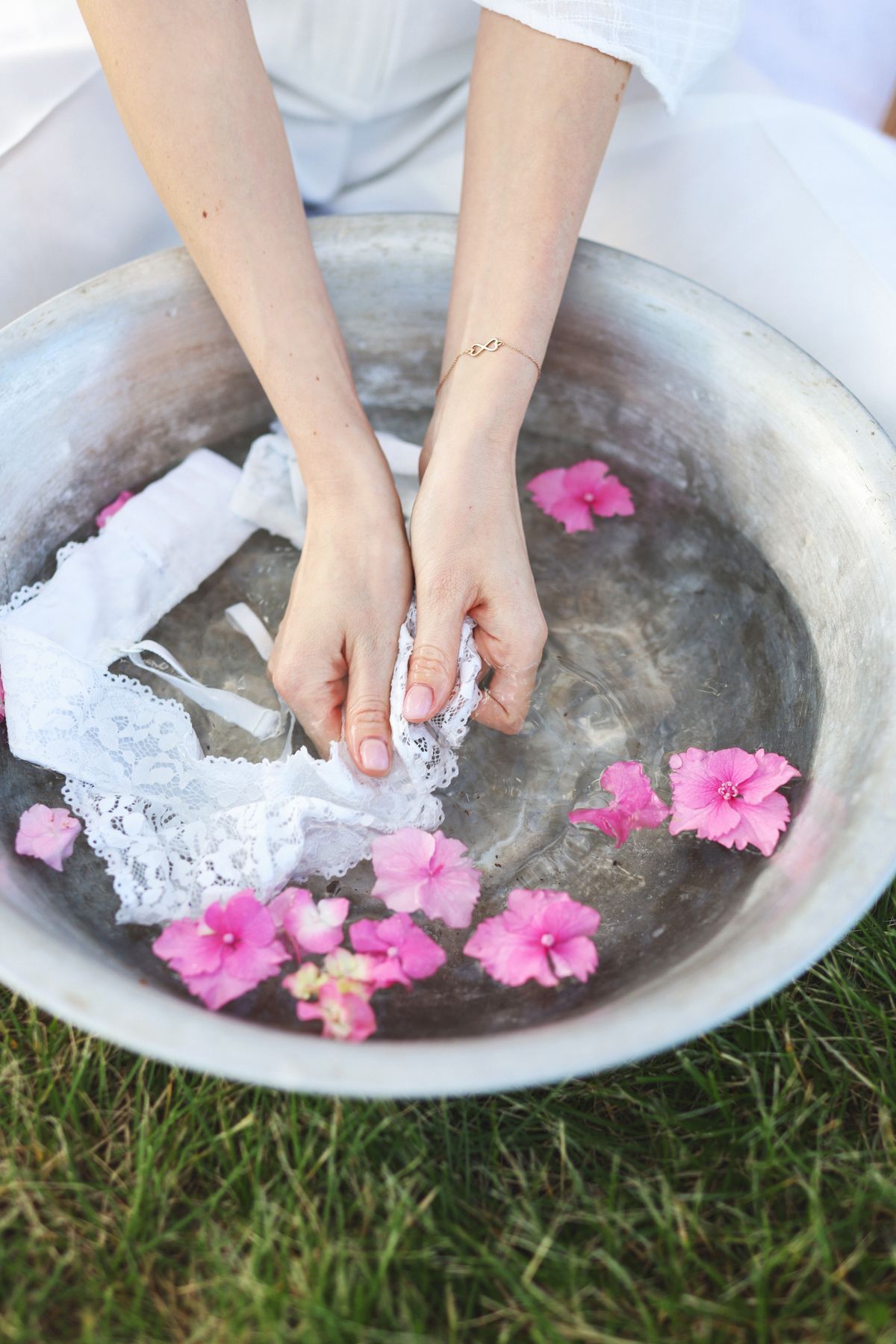
Cotton and synthetics are forgiving and respond well to the dish soap and peroxide method. Test peroxide on a hidden seam first, since it can lighten some dyes.
Denim deserves special mention, because a splash of red wine on jeans looks alarming but usually lifts easily thanks to the tight weave and dark base color; it is one more reason to care for denim properly. Blot, flush from the back, and wash cold; the indigo hides a lot of forgiveness. White cotton shirts are the real test, and that is where the dish-soap-and-peroxide combination earns its reputation.
Delicate fabrics like silk and wool need a gentler touch: blot, flush with cool water, and dab with a mild detergent solution, then take them to a professional if the stain lingers. For carpet and upholstery you cannot toss in the wash, blot relentlessly and work from the outside of the stain inward to avoid spreading it.
On upholstery, resist the urge to soak the cushion; too much liquid can leave a water ring or seep into the padding and grow mildew. Work in small amounts, blot dry, and let it air out fully between passes. For a rug, slide a towel underneath so the moisture has somewhere to escape rather than sinking to the backing.
Removing Dried or Old Red Wine Stains
Missed it in the moment? A dried stain is harder but rarely hopeless. Soak the garment in cool water with oxygen bleach for several hours, or overnight for stubborn marks, then launder as usual on a cold cycle.
Check the stain before it goes anywhere near a dryer. If a shadow remains, repeat the soak. Heat locks in whatever color is left, so air-dry between attempts and only tumble dry once the fabric is truly clean.
For a really set-in stain that has already survived a hot dryer, you are fighting an uphill battle, but an extended oxygen-bleach soak of eight to twelve hours sometimes pulls out what is left. If the fabric is white and sturdy cotton, this is where a careful, well-ventilated round of diluted chlorine bleach can finish the job as a last resort.
How to Lower the Odds of the Next Spill
You cannot prevent every accident, but you can stack the deck. Pour modest glasses rather than brimming ones, keep stems away from table edges, and choose darker linens for wine-heavy gatherings so a splash matters less.
Some people treat favorite tablecloths and light upholstery with a fabric protector spray, which buys you extra seconds by making liquids bead up instead of soaking in. It is not magic, but those seconds are exactly the window that decides whether red wine on clothes becomes a story or a stain.
And if the worst happens to something irreplaceable, stop experimenting and call a professional cleaner quickly. Home remedies can occasionally set a stain that a specialist could have removed, so know when the garment is worth expert help.
Keep an Emergency Kit Ready
Because speed decides everything with red wine on clothes, the smartest move is to prepare before the next dinner party. A small stain kit turns panic into a two-minute routine.
Stock a few clean white cloths, a travel-size bottle of dish soap, hydrogen peroxide, a box of salt and a stain-remover pen. Keep it near where you entertain. Next spill, blot fast, flush cool, treat, and skip the myths, and that dark bloom will fade to nothing before it ever gets the chance to set.

Felipe Amaral writes about laundry and clothing care for real life — small apartments, busy weeks and clothes you actually want to last. Based in Denver, Colorado, he’s made every laundry mistake in the book so you don’t have to.