
Somewhere in every household there’s a quiet standoff. One person tosses their jeans in the wash after a single wear; the other has worn the same pair for three weeks and swears they’ve never looked better. Meanwhile the towels are getting that faintly sour smell, and nobody can remember the last time the sheets were changed.
Knowing how often to wash jeans, towels and bedding isn’t about rigid rules. It’s about balancing hygiene, fabric life and your water bill. Here’s a realistic, item-by-item guide I’ve settled on after years of doing laundry in a small Denver apartment where every wash cycle counts.
Why Washing Frequency Actually Matters
Every trip through the washer is a trade-off. Washing removes sweat, oils and bacteria, but it also abrades fibers, fades color and shortens the life of the fabric. Over-washing is one of the fastest ways to wear out clothes you love.
Under-washing has its own costs: odor, skin irritation, and dust mites that thrive in bedding. The right frequency sits in the middle, and it changes depending on the item, how close it sits to your skin, and how much you sweat into it. It also depends on getting the basics right, like how much detergent you actually need.
Think of it as a spectrum. Items worn against sweaty skin need frequent washing; sturdy outer layers and denim can go much longer than most people assume.
Climate plays a role too. In a dry, high-altitude place like Denver, sweat evaporates fast and clothes stay fresh longer; in humid heat, everything needs washing sooner. Adjust these guidelines to your own environment rather than following them blindly.
How Often to Wash Jeans
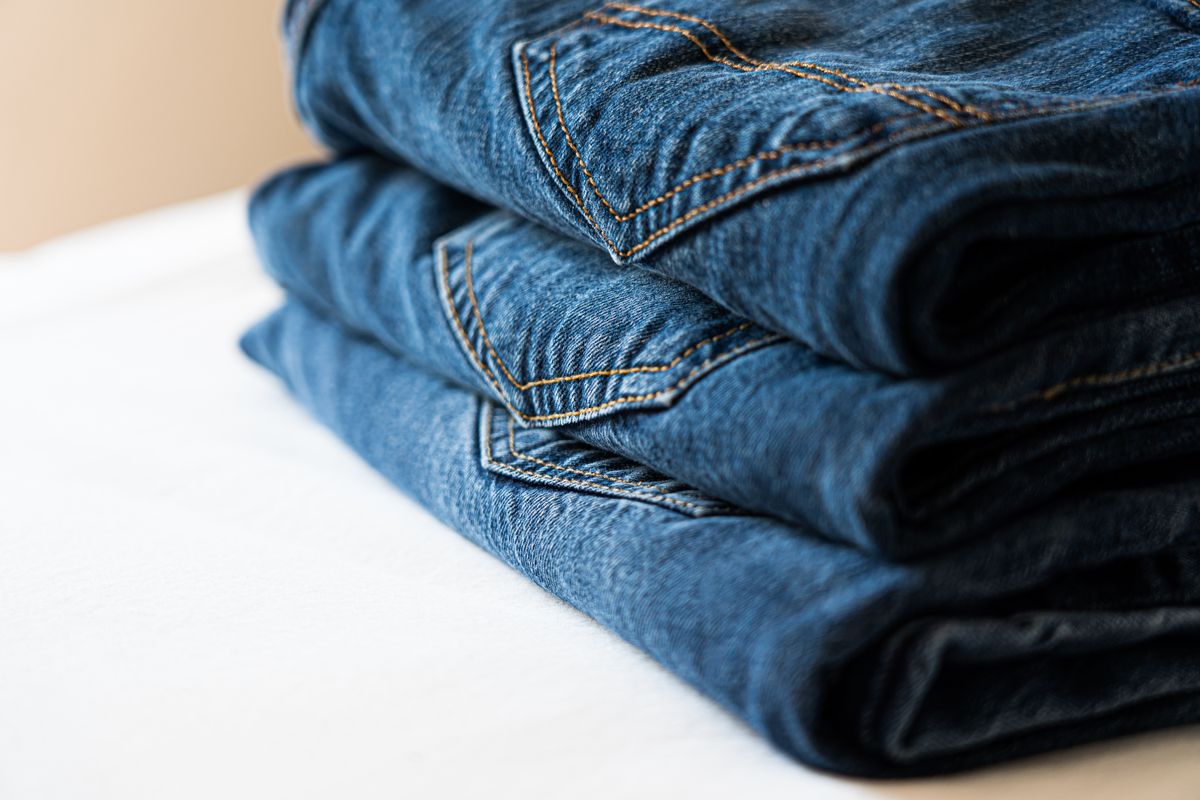
This is the one that starts arguments. Denim experts, including people who make the stuff, generally recommend washing jeans far less than we do, roughly every 10 wears, and sometimes much less for raw denim.
The reason is simple: hot water and agitation break down cotton fibers and fade indigo dye. Washing less keeps the color rich and the fit intact, which is exactly the logic behind learning to care for denim so it lasts. Between washes, air jeans out overnight, spot-clean small marks, and let time do the rest.
When you do wash them, turn them inside out, use cold water and a gentle cycle, and dry clothes indoors without the musty smell. If jeans genuinely smell or you’ve sweated heavily in them, wash them sooner. Hygiene always beats dogma.
A few tricks stretch the time between washes without letting jeans get gross. Hang them by an open window for a few hours to let odors dissipate. Freezing jeans overnight is a popular myth that does little for bacteria, so skip it and rely on airing instead. For a small stain, a damp cloth and a dab of gentle soap on the spot beats a full wash every time, and it keeps the surrounding denim from fading unevenly.
How Often to Wash Towels
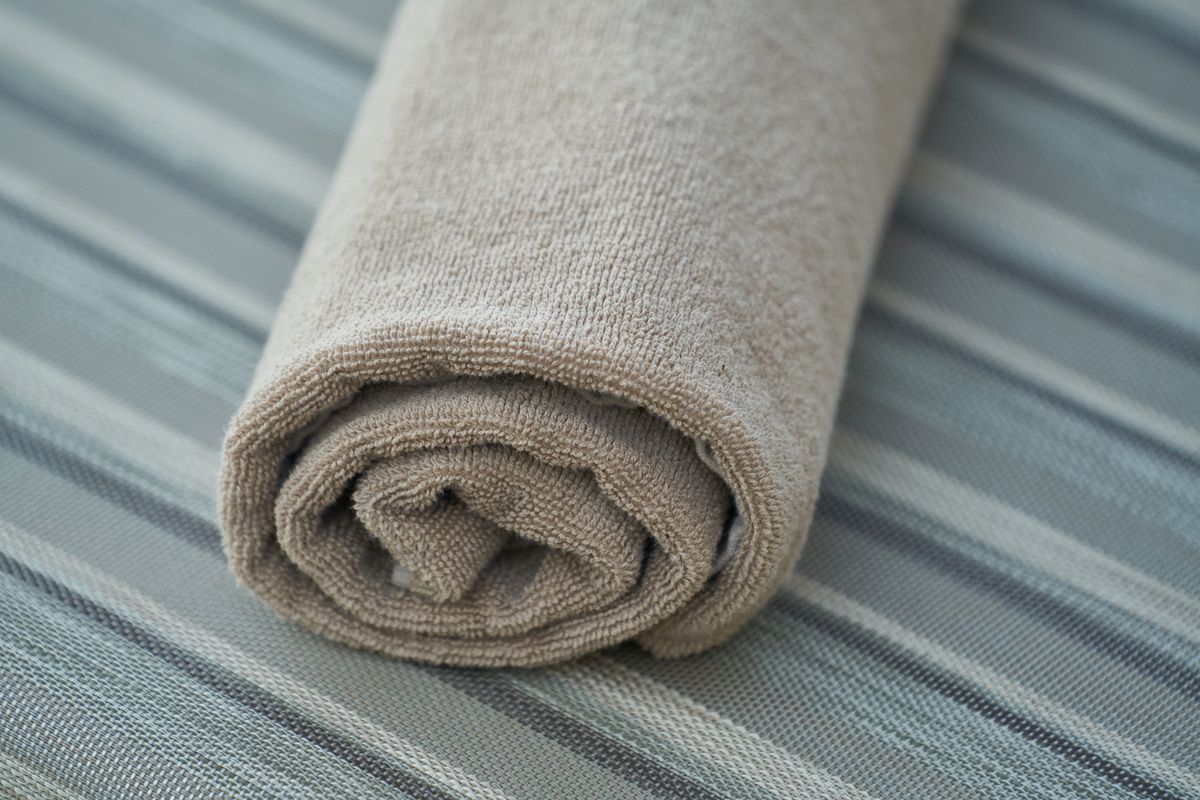
Towels feel clean because you only use them after you’re clean, but they stay damp for hours and become a playground for bacteria and mildew. The general guideline, echoed by the EPA Safer Choice, is to wash bath towels after three to four uses.
Bath towels vs. kitchen towels
Kitchen towels and dishcloths get much dirtier much faster and should be washed every one to two days, since they handle raw food and wipe up spills. Gym towels are single-use: wash after every workout.
Hand towels in the bathroom sit somewhere in between. Because several people touch them with freshly washed hands throughout the day, they pick up moisture constantly and should be swapped every two to three days, more often in a busy household or during cold-and-flu season. If a towel of any kind starts to smell even after washing, it has bacterial buildup baked in; a hot wash with a scoop of oxygen bleach usually resets it, and if that fails, it has simply reached the end of its life.
The single biggest favor you can do a towel is to let it dry fully between uses. A towel bunched on the floor never really dries and will smell within a day, no matter how recently you washed it.
Fabric softener is another quiet towel killer. It coats the cotton loops and gradually kills absorbency, so skip it and add a half-cup of white vinegar to the rinse now and then to strip buildup and freshen the fibers. Wash towels in warm water and tumble dry fully, since a slightly damp towel left in the basket is where the sour smell begins.
How Often to Wash Bedding
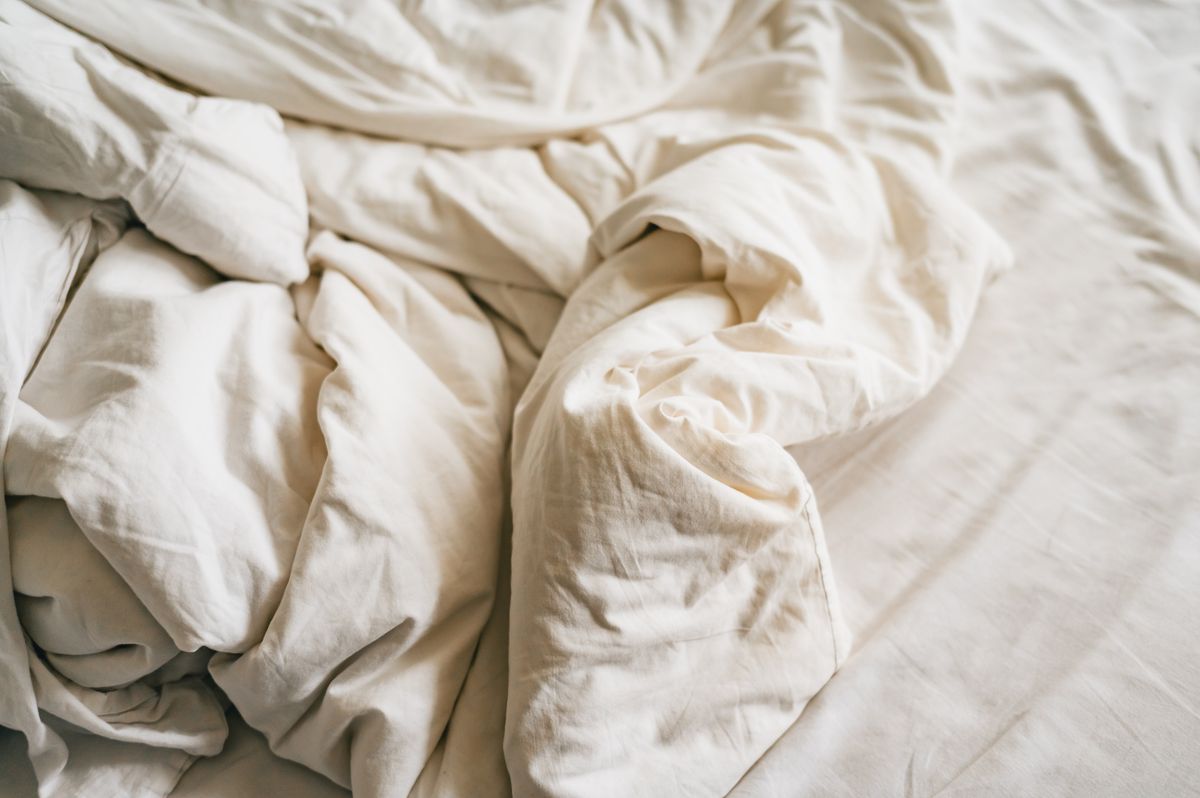
You spend a third of your life in your sheets, shedding skin cells and sweat the whole time. Most guidance, including advice from the Sleep Foundation, lands on washing sheets and pillowcases once a week, or every two weeks at the absolute longest.
Pillowcases arguably matter most because they touch your face and hair; if you’re prone to breakouts, wash them twice a week. Duvet covers can go two to four weeks, while the duvet insert, pillows and mattress protector need washing only a few times a year.
Wash bedding in warm to hot water when the care label allows, since heat is what actually kills dust mites. If you use any chlorine bleach on white sheets, never mix it with ammonia or vinegar, because the fumes are dangerous.
In a small space without a lot of linen closet room, two sets of sheets per bed is the sweet spot: one on the bed, one in the wash or folded ready to go. That way you are never stuck sleeping on a bare mattress waiting for a load to finish, and each set gets a rest between uses, which quietly extends its life.
A Quick Reference Washing Schedule
Here’s the cheat sheet I keep in my head for how often to wash the things people ask about most:
- Jeans: every 10 wears, or sooner if they smell.
- Bath towels: every 3 to 4 uses.
- Kitchen towels: every 1 to 2 days.
- Sheets and pillowcases: weekly.
- Duvet cover: every 2 to 4 weeks.
- Pillows and duvet insert: 3 to 4 times a year.
Treat these as starting points, not laws. Sweat, illness, pets in the bed and allergies all push the frequency up.
Notice that none of these numbers are about your calendar; they are about use. Two people sharing a bed dirty the sheets twice as fast as one, and a towel used after a sweaty run needs washing sooner than one used after a quick evening shower. Count uses, not days, and you will land on the right frequency almost every time.
Signs You Should Wash Sooner (or Later)
Your nose is a better guide than any calendar. If something smells, feels stiff with sweat, or looks visibly soiled, wash it regardless of the schedule. If you’ve been sick, strip and hot-wash the bedding right away.
On the flip side, if an item still smells clean and looks fresh, there’s no shame in stretching an extra day or two. That restraint protects both your fabrics and your utility bill in a small home where laundry is a chore you’d rather do less often.
Building a Routine That Sticks
The easiest system is to anchor each item to a rhythm. Sheets on the same day every week, towels rotated so a fresh one is always ready, jeans aired on a hook rather than thrown in the hamper by reflex.
If you share a home, agree on the schedule out loud so nobody is quietly re-washing clean towels or letting sheets go a month. A single sticky note inside the linen cupboard listing “sheets: Sunday, towels: twice a week” ends more laundry arguments than you would expect, and it keeps everyone honest about how often to wash the shared stuff.
Your practical next step: pick one item you’ve been over-washing, jeans are the usual culprit, and try stretching the interval this week. You’ll save water, keep the color, and probably never notice the difference.

Felipe Amaral writes about laundry and clothing care for real life — small apartments, busy weeks and clothes you actually want to last. Based in Denver, Colorado, he’s made every laundry mistake in the book so you don’t have to.