
You spend roughly a third of your life pressed against your bed sheets, shedding skin cells, sweat, and body oils into them night after night. When you really sit with that, the question stops being whether you wash your bed sheets often enough and becomes how to wash bed sheets so they actually come out clean.
The good news is that fresh, hotel-crisp bedding is not complicated or expensive. It just takes the right temperature, the right timing, and a couple of habits most of us were never taught. Here is the straightforward way to wash bed sheets and pillows so your bed feels genuinely clean every week.
How often you should wash bed sheets
As a rule, wash bed sheets once a week. Seven nights is about how long it takes for sweat, oils, and dead skin to build up to the point where dust mites start to thrive, and a weekly rhythm keeps that in check without becoming a chore you dread.
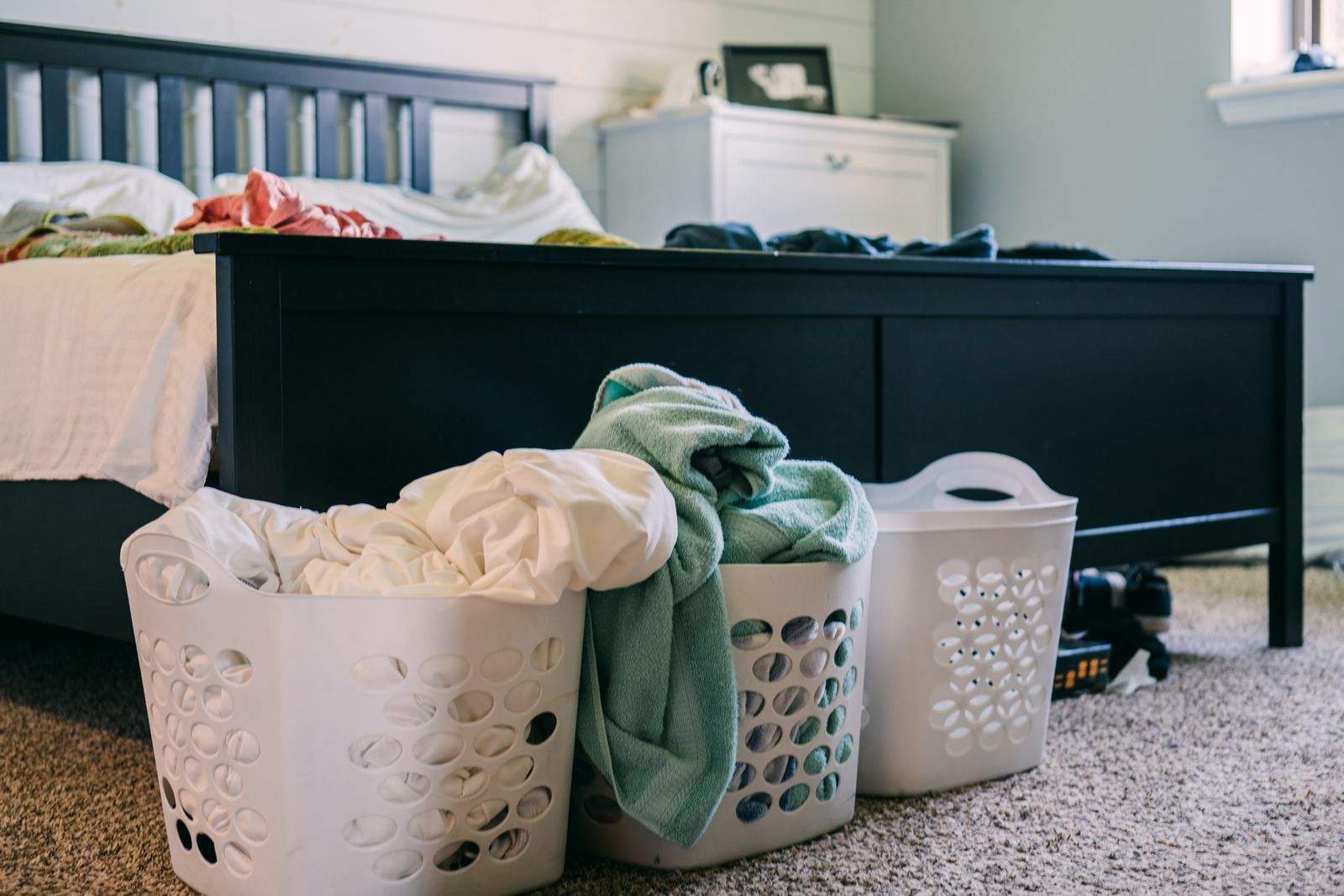
Some situations call for more frequent washing. Stretch the interval and you are essentially marinating in a week-plus of buildup, so err on the side of weekly. If you want the bigger picture on laundry cadence, our guide on how often to wash jeans, towels and bedding lays out sensible timelines for everything.
- Every 3 to 4 days: if you sweat heavily at night, sleep with pets, or have allergies.
- Twice a week: during illness, to cut down on lingering germs.
- Right away: after any spill, accident, or a night with a fever.
It helps to tie the wash to a fixed anchor in your week, like Sunday morning, so it becomes a habit rather than a decision. People who leave it to memory tend to drift toward two or three weeks between washes, which is exactly when bedding starts to feel and smell stale.
The right water temperature and cycle
For cotton and cotton-blend sheets, warm or hot water does the best job. Wash white and light cotton sheets in hot water, around 130 to 140 degrees Fahrenheit, to dissolve oils and knock back dust mites. Colored cotton does well in warm water, roughly 90 to 105 degrees, which cleans effectively while protecting the dye.
Delicate materials need a gentler hand. Linen, silk, and bamboo sheets prefer cold to lukewarm water on a gentle cycle to avoid weakening the fibers. Always check the care label first, since it overrides any general rule.
Use a normal or heavy-duty cycle for sturdy cotton and a gentle cycle for anything delicate. Choosing the correct setting matters more than people think, and our breakdown of the right water temperature for every load is worth a look if you are unsure.
One caveat on hot water: it fades colors and can shrink lower-quality cotton, so reserve the hottest settings for sturdy whites. When in doubt, warm water is the safe middle ground that cleans well without punishing the fabric.
Thread count is not the whole story when it comes to how sheets wash and wear. A well-made 300 to 400 thread count cotton percale often holds up to weekly laundering far better than a flimsy sheet advertising a much higher number, so buy for fiber quality and weave rather than the headline figure on the package.
How to wash bed sheets without tangling or damage
Wash sheets on their own, not crammed in with towels or clothing. Towels shed lint onto smooth sheets, and an overloaded drum cannot move water and detergent through the fabric, leaving you with a load that is only partly clean.
Use a modest amount of detergent, about two tablespoons of liquid for a standard load. Too much leaves a residue that stiffens sheets and traps odors. Undo any bunching before the wash so a fitted sheet does not balloon around everything else and trap dirty water inside.
Skip the fabric softener on a regular basis. It coats fibers with a waxy film that reduces breathability and absorbency over time. For softness, a half cup of white vinegar in the rinse works better and rinses clean. Never mix that vinegar with any chlorine bleach product, as combining bleach with vinegar or ammonia releases toxic fumes.
To treat stubborn stains before washing, dab a little oxygen bleach or a stain remover directly on the spot and let it sit for 15 minutes. Pre-treating is far more effective than hoping the wash cycle alone will lift a set-in mark.
Washing and caring for pillows
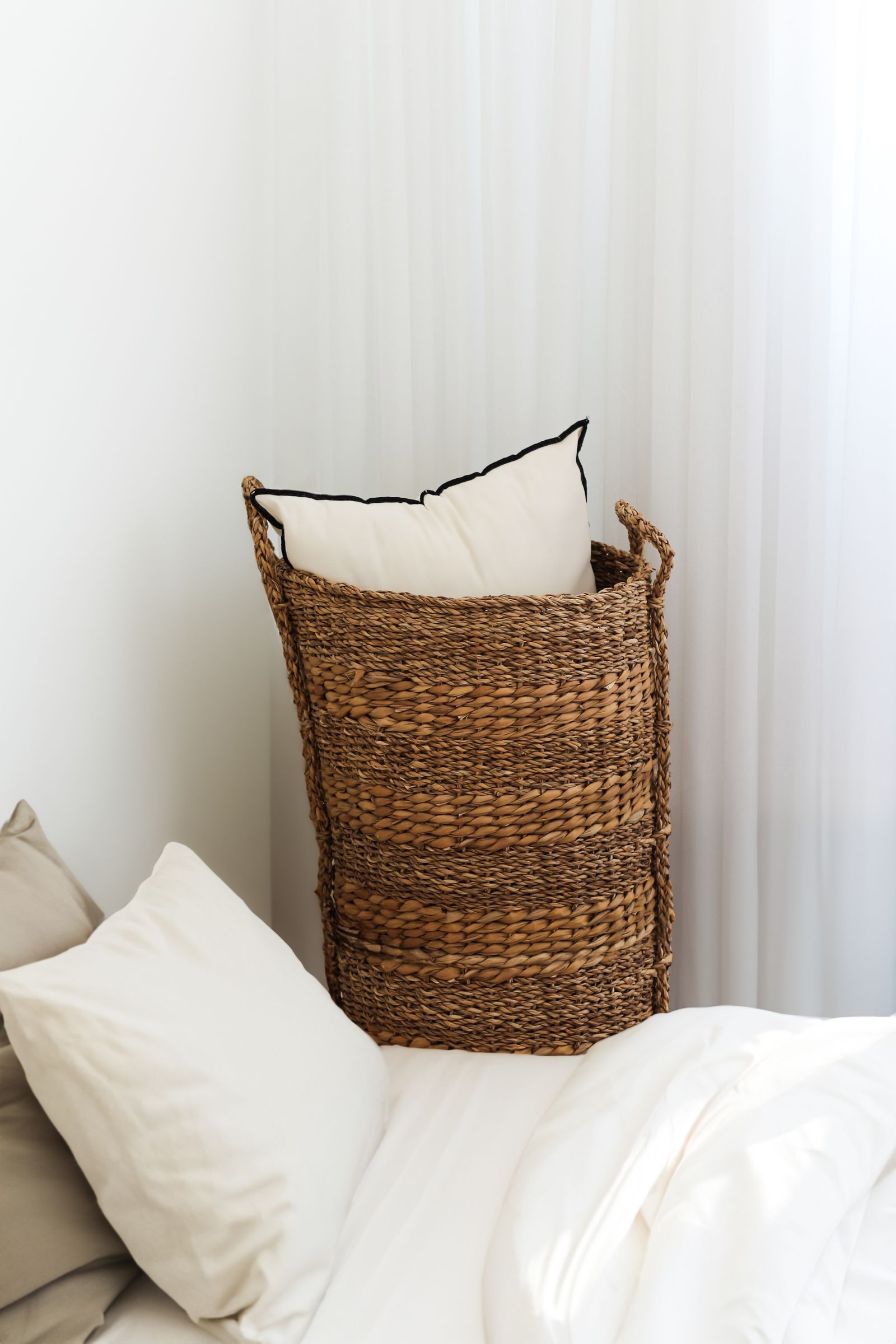
Pillowcases go in with your sheets, but the pillows themselves need attention too. Most synthetic and down pillows should be washed two to three times a year to remove the oils and dust mites that pillowcases cannot fully block.
Wash two pillows at once to keep the machine balanced, on a gentle cycle with warm water and a small amount of detergent. Run an extra rinse to clear all the soap. Memory foam is the exception; never machine wash it, just spot clean and air it out.
Drying is where pillows are won or lost. Tumble on low heat with a couple of clean tennis balls or dryer balls to redistribute the fill and prevent clumping. For a deeper dive into fluffy, fully dry results, see our guide to washing pillows, comforters and bulky items at home.
Protect your pillows between washes with zippered pillow protectors under the cases. They form a barrier against sweat and allergens and can be washed alongside your sheets each week, dramatically extending how long a pillow stays fresh.
Drying bed sheets the right way

Sheets dry fast, so use a low or medium heat setting and pull them out while still very slightly damp. High heat is the main cause of worn-out, pilled sheets and it bakes in wrinkles. A shorter, cooler dry protects the fibers and keeps them smooth.
Air drying is even gentler and cost-free. Hang sheets over a rack or line where air can circulate, and they will come out crisp. If you dry indoors, keep a window cracked or a fan running so they do not develop that damp, musty smell.
Fold or put sheets back on the bed as soon as they are dry to avoid set-in creases. Warm sheets straight from the dryer smooth out beautifully with a quick shake and tuck.
Common bed sheet washing mistakes to avoid
A handful of everyday habits quietly wear sheets out or leave them less clean than they look. Steer clear of these and your bedding will last longer and feel better.
- Overloading the machine: a stuffed drum cannot rinse properly, so wash one sheet set at a time.
- Too much detergent: excess soap builds up and stiffens fabric instead of cleaning it better.
- Ignoring the care label: a single hot wash can shrink or fade sheets that needed cold water.
- Letting wet sheets sit: damp laundry left in the drum turns musty within hours.
If your sheets have picked up a lingering odor over time, add a single cup of baking soda to the wash along with your usual detergent. Baking soda neutralizes trapped smells that regular detergent leaves behind, and it is completely safe for cotton and blends. Run the load as normal and the sheets come out noticeably fresher.
Keeping your bed fresh between washes
A few small habits stretch that just-washed feeling. Air out the bed each morning by pulling the covers back for 15 minutes before making it, letting overnight moisture evaporate instead of getting trapped.
Keeping a second set of sheets on hand makes the weekly swap painless; strip the bed, remake it immediately, and wash the used set at your convenience. If your space is tight, our tips on drying laundry without a musty smell in a guide to drying clothes indoors apply directly to bedding too.
Your next step is simple: set a recurring weekly reminder to wash bed sheets, pick your day, and stick to it for a month. Once fresh bedding becomes automatic, you will wonder how you ever slept any other way. For evidence-based guidance on laundry hygiene, the EPA Safer Choice is a reliable reference.

Felipe Amaral writes about laundry and clothing care for real life — small apartments, busy weeks and clothes you actually want to last. Based in Denver, Colorado, he’s made every laundry mistake in the book so you don’t have to.