
We wash our sheets religiously and then rest our heads on the same pillow for years without a second thought. Pillows, comforters, and other bulky bedding quietly collect sweat, oils, dust mites, and allergens, and most of us have no idea they can go straight in the machine.
Learning to wash pillows and bulky items at home saves you a small fortune in dry-cleaning bills and keeps your bed genuinely fresh. It’s easier than it looks, even if you’re working with a compact apartment machine, as long as you follow a few key rules.
How often bulky items actually need washing
Bedding hides how dirty it gets because the covers take the visible wear. Underneath, the pillows and duvet are absorbing body oils and moisture every single night.
As a general rule, wash pillows every three to six months, comforters and duvets two to three times a year, and mattress protectors every couple of months. If you have allergies, err on the more frequent end of each range.
Curious how this fits with the rest of your routine? Our guide on how often to wash jeans, towels and bedding lays out a simple schedule for everything.
Check the care label before you wash pillows
The single most important step happens before any water touches the item. The care label tells you whether something is machine washable and at what temperature, and ignoring it is how pillows get ruined.
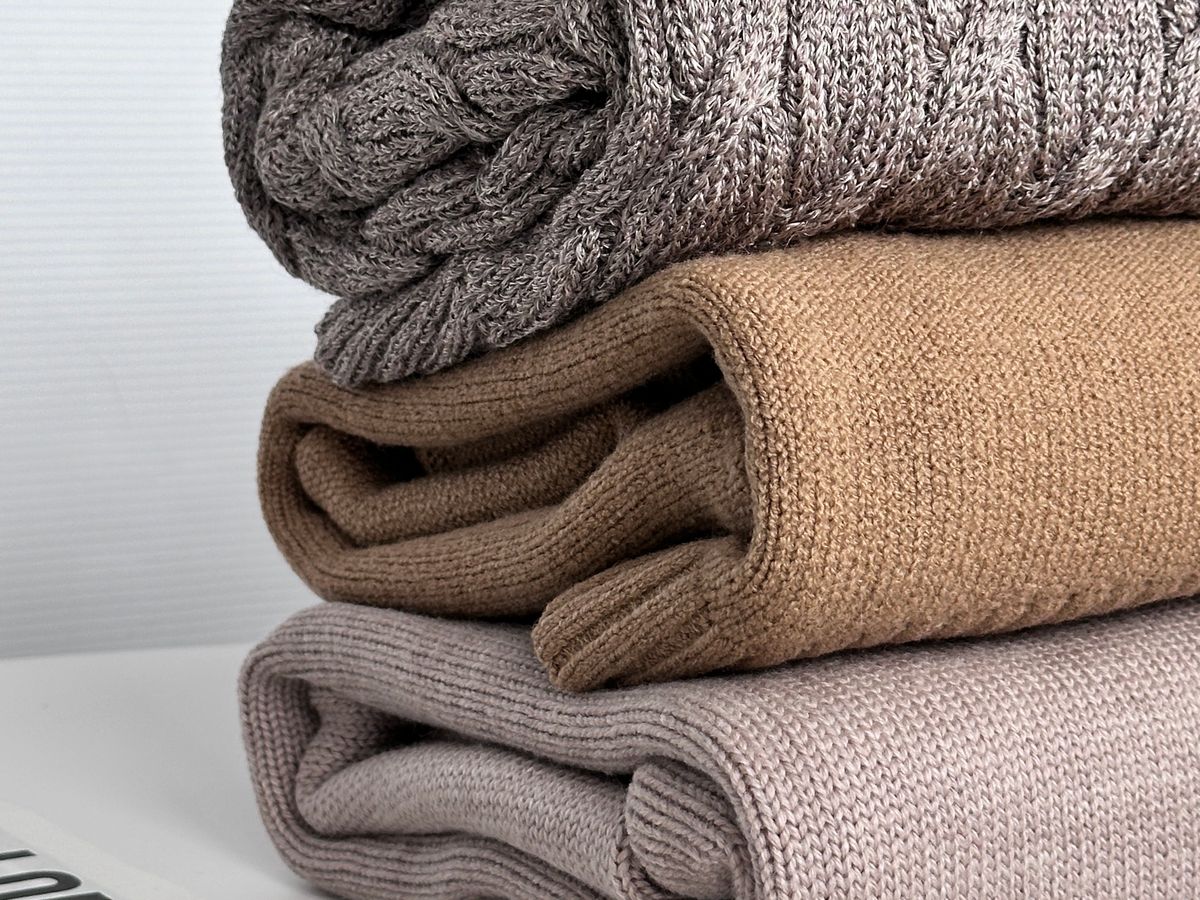
Most polyester, down, and feather pillows are machine washable. Memory foam and latex pillows are the big exception; they should never go in the machine and are spot-cleaned and aired out instead.
How to wash pillows the right way
Once you’ve confirmed a pillow is washable, the process is straightforward. The trick is balance, airflow, and a thorough rinse.
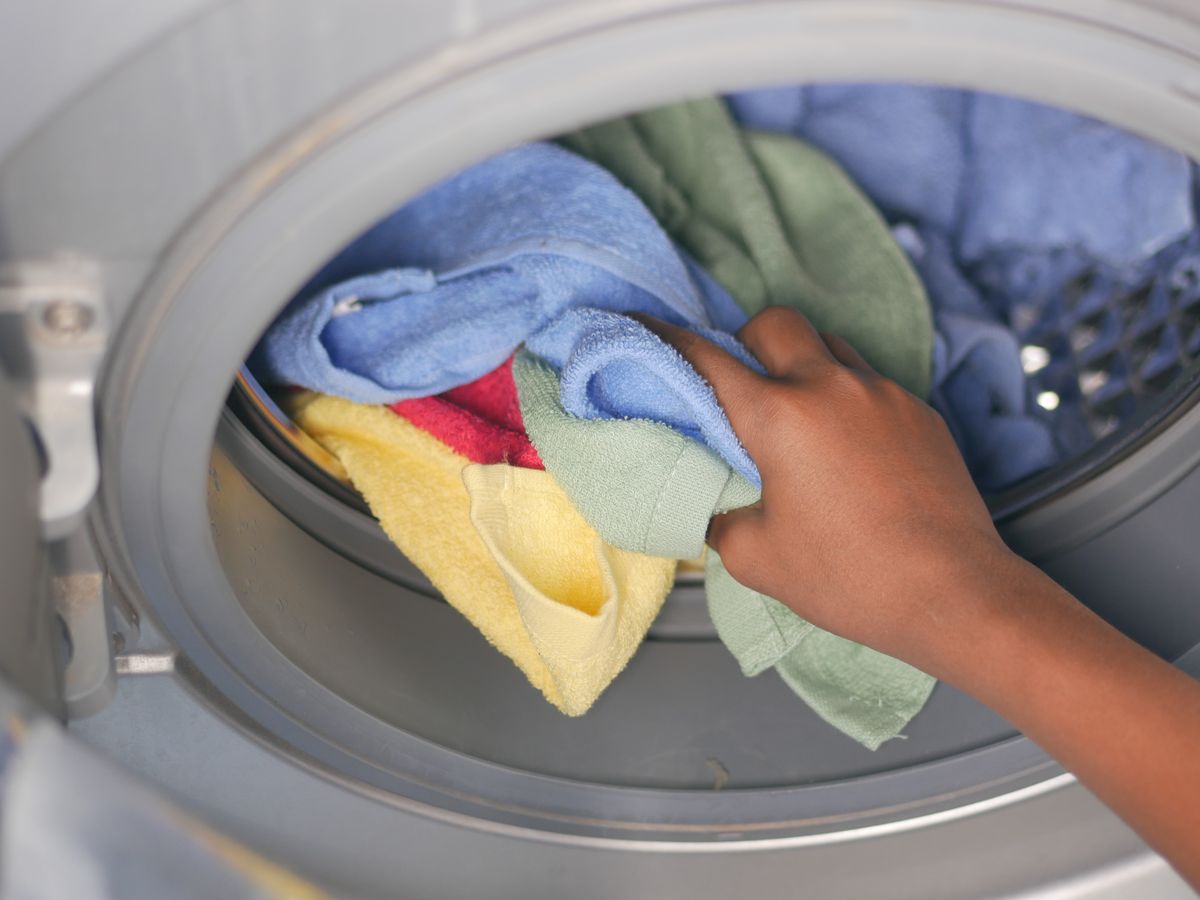
Wash two pillows at once to keep the machine balanced, use a small amount of mild detergent, and run a warm, gentle cycle. Add an extra rinse to flush out all the detergent, since leftover soap is what makes pillows clump and smell.
Front-loader vs top-loader
Front-loading and modern agitator-free machines are ideal for bulky items because there’s no central post to wrap things around. If you have an old top-loader with an agitator, arrange items vertically around the post and stop mid-cycle to rebalance if it starts to shake.
If your machine is too small for a king comforter, don’t force it. A too-full drum won’t clean or rinse properly, and that’s when a laundromat’s large machines become worth the trip.
Washing comforters, duvets and blankets
Comforters follow the same principles as pillows but need even more room to move. Cramming a thick duvet into a small machine is the most common mistake.
Use a gentle cycle with cool or warm water and mild detergent, and skip the fabric softener, which coats fibers and reduces fluffiness. For down comforters especially, a thorough rinse and complete drying are essential to prevent mildew and clumping.
Delicate blankets and anything with special fibers deserve extra caution. The same gentle mindset you’d use for caring for silk and delicates applies to fine wool throws and heirloom quilts.
Drying bulky items completely
Drying is where most pillow and comforter disasters happen. A bulky item that feels dry on the outside can still be damp in the core, and trapped moisture leads to mildew and that sour smell.
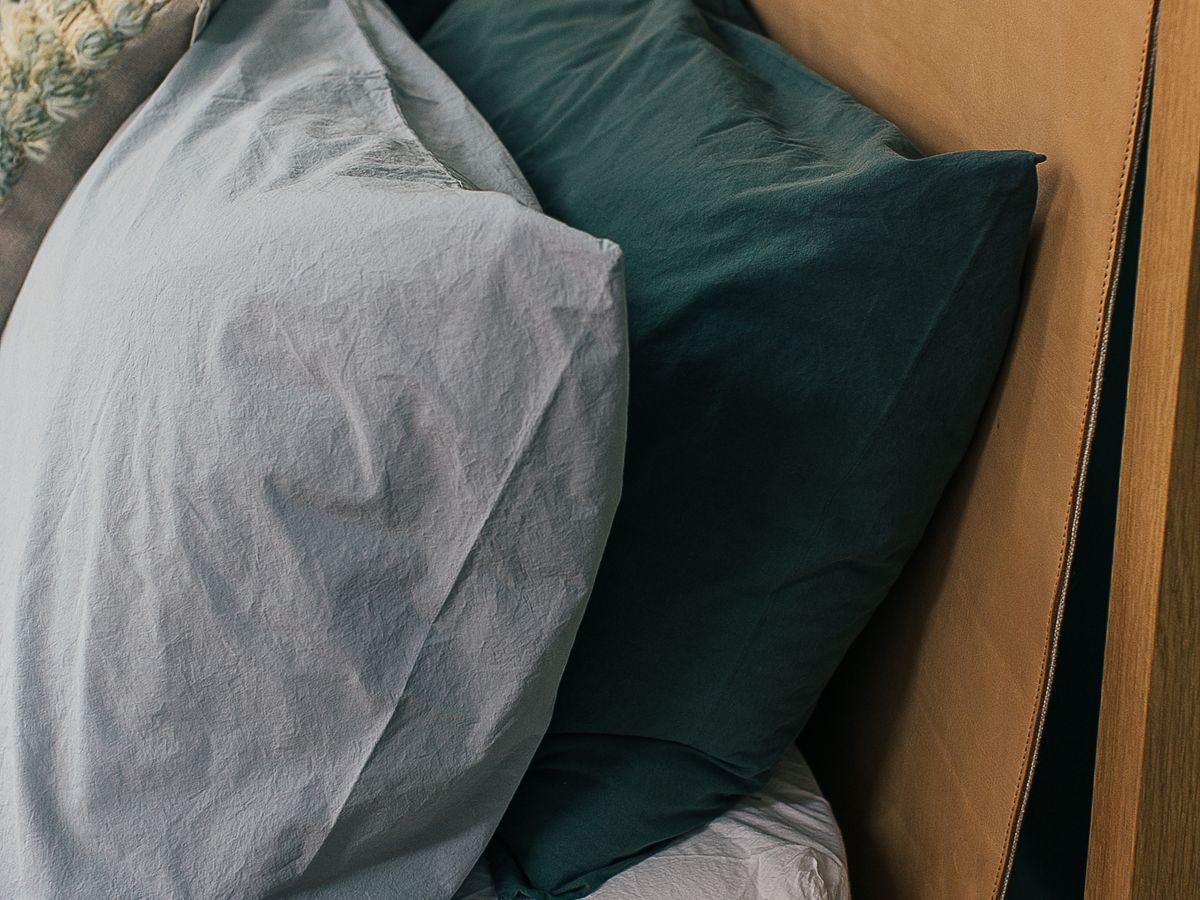
Dry on low heat and be patient; bulky items can take two or three full cycles. Toss in a couple of clean tennis balls or wool dryer balls to break up clumps and restore loft as they tumble.
If you air dry, lay items flat and flip them often, and make sure the room has good airflow. Our tips on how to dry clothes indoors without the musty smell are especially useful for slow-drying bulky pieces.
Small-space and apartment strategies
No in-unit laundry or only a compact machine? You still have good options for keeping bedding fresh without a car full of quarters every month.
Spot-clean pillows and spray bedding with a fabric refresher between deep washes, and use a laundromat’s oversized machines for the big seasonal comforter wash. A single laundromat trip a few times a year handles what your apartment machine can’t.
Why washing pillows matters more than you think
It is easy to dismiss pillow washing as optional, but the reasons go beyond freshness. Over months, a pillow can absorb a surprising amount of sweat, skin cells, and oils, which in turn feed dust mites and can worsen allergies and acne.
A clean pillow simply feels and smells better, and it lasts longer too. Built-up oils break down the fill over time, so regular washing actually protects your investment and delays the day you have to replace it.
For anyone with asthma, eczema, or seasonal allergies, keeping bedding clean is one of the cheapest and most effective changes you can make. The EPA guide to mold and moisture in the home recommends routine laundering of bedding as part of a healthy home.
Common bulky-laundry mistakes to avoid
A few predictable errors turn a simple wash into a ruined pillow. The biggest is using too much detergent, which is nearly impossible to rinse out of thick fill and leaves items stiff and soapy.
Other frequent mistakes include washing a single pillow alone, which unbalances the drum, using hot water on down, which can damage the feathers, and pulling items out of the dryer before the core is fully dry. Each of these is easy to avoid once you know to watch for it.
Do not skip the extra rinse
Bulky fill holds onto soap far more than a thin t-shirt does. An extra rinse cycle is not optional for pillows and comforters; it is what separates a fluffy, fresh result from a clumpy, faintly soapy one. When in doubt, rinse again.
Keeping bedding fresh between washes
Deep washing a few times a year is the foundation, but small habits in between keep everything fresher for longer. Protective covers do most of the heavy lifting here.
Use a zippered pillow protector under your pillowcase and a washable duvet cover on your comforter, then launder those covers with your sheets every week or two. Airing bedding out in sunlight and giving pillows a good fluff each morning also goes a long way.
A quick guide to other bulky household items
Pillows and comforters are just the start. Once you are comfortable washing bulky items, the same principles cover most of the big, awkward pieces around your home.
Mattress toppers usually need a large machine and a very thorough dry, so a laundromat is often the safest choice. Throw blankets and quilts wash gently at home, curtains do best on a cool, delicate cycle, and stuffed animals can go in a mesh bag on gentle if the label allows.
The rule of thumb never changes: read the label, do not overload the drum, rinse well, and dry completely with dryer balls to restore loft. Master that pattern and almost nothing in your home is off-limits to a home wash.
When something is genuinely too big or too delicate to risk, that is the moment to use a laundromat or a professional cleaner rather than cramming it into a machine that cannot handle it. Knowing your machine limits is part of doing this well.
Conclusion: a fresher bed is worth the effort
Once you know how to wash pillows and bulky bedding at home, you’ll wonder why you ever paid to have it done. A few gentle cycles a year keep your bed cleaner, healthier, and far more inviting.
Your next step: check the tags on your pillows tonight. If they’re washable and it’s been more than six months, put them at the top of your next laundry day.
Your bed is where you spend a third of your life, so a little regular care there pays back every single night.

Felipe Amaral writes about laundry and clothing care for real life — small apartments, busy weeks and clothes you actually want to last. Based in Denver, Colorado, he’s made every laundry mistake in the book so you don’t have to.