
I pulled a load of freshly washed towels out of the machine last month, buried my face in one expecting that clean-laundry smell, and instead got a whiff of something sour and musty. The clothes were technically clean, but they smelled worse coming out than going in, and my washing machine was the obvious culprit.
If your washing machine smells, you are not alone, and the fix is easier than you think. In a single afternoon you can track down the source of the odor, deep-clean the parts that trap it, and set up a simple routine so the smell never comes back.
Why Your Washing Machine Smells in the First Place
A smelly washer is almost always a sign of buildup. Every load leaves behind a thin film of detergent residue, fabric softener, body oils, and lint. In the warm, damp environment inside the drum, that film becomes a feeding ground for bacteria and mildew, which produce that unmistakable musty odor.
Front-loading machines are especially prone to this because their door gaskets trap water and never fully dry out. High-efficiency machines use less water, so residue rinses away less completely, giving grime more chances to accumulate.
Track Down the Source of the Odor
Before you clean, spend five minutes finding where the smell lives. This tells you which fix to prioritize and saves you from scrubbing the wrong spot.
- Door gasket (front-loaders): Peel back the rubber seal and check for black mildew and trapped gunk.
- Detergent drawer: Pull it out and look for slimy pink or black residue in the compartments.
- Drum and drain: A sour, sewage-like smell often points to a clogged drain filter or standing water.
- Filter (front-loaders): The pump filter near the bottom traps coins, lint, and stagnant water.
Most smelly-washer problems come from one or two of these spots. Once you know where the odor originates, the cleaning goes quickly.
Deep-Clean Your Washing Machine Step by Step
Set aside about an hour of active work, plus cycle time. You likely have everything you need already: white vinegar, baking soda, an old toothbrush, and a microfiber cloth.
1. Clean the Gasket and Drawer
Wipe the door gasket thoroughly with a cloth dipped in a mix of warm water and white vinegar, getting deep into the folds where mildew hides. Remove the detergent drawer, soak it in warm water, and scrub the compartments with the toothbrush until the residue lifts away.
2. Run a Hot Cleaning Cycle
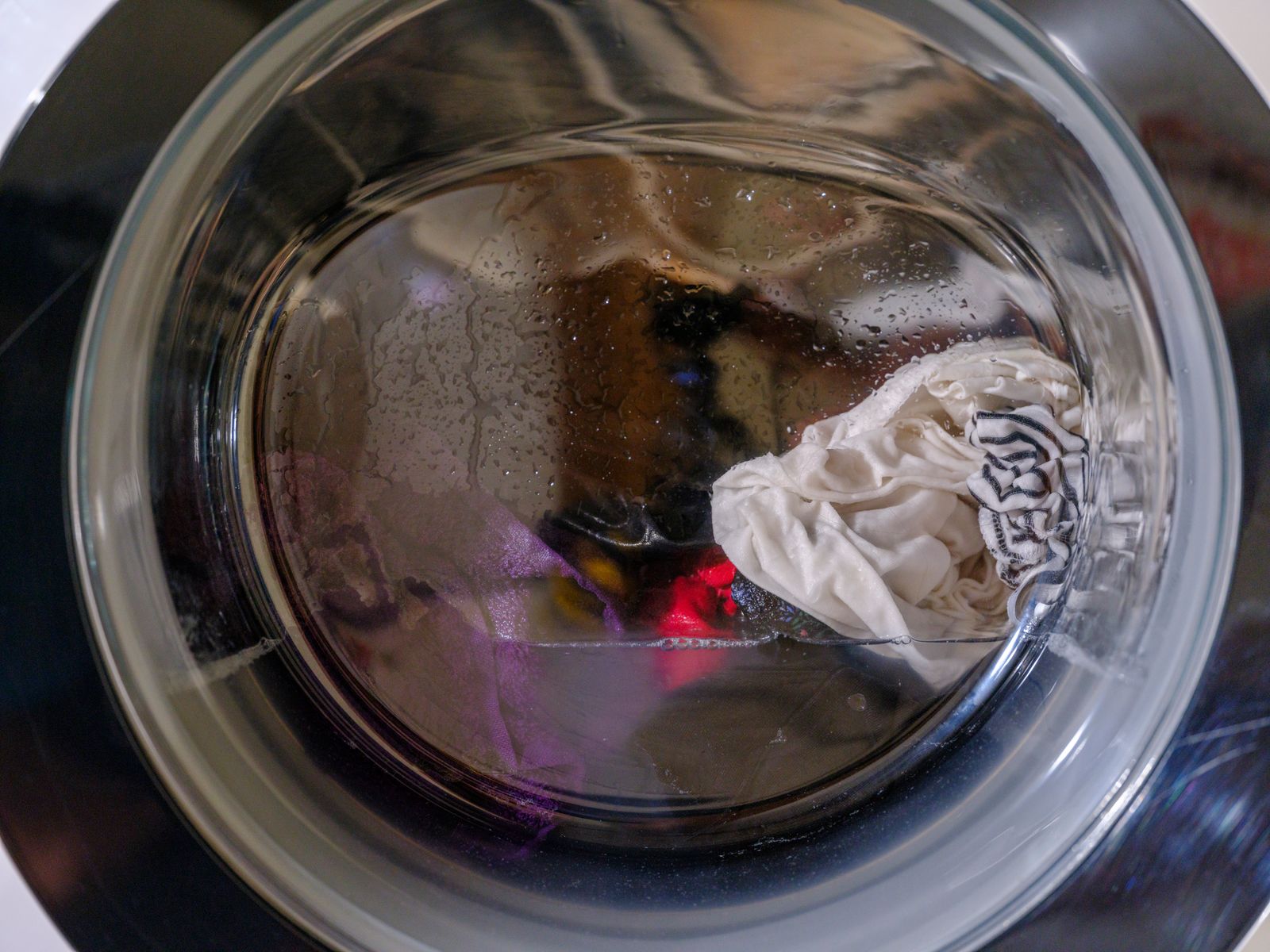
Pour two cups of white vinegar into the drum (or the detergent compartment) and run the hottest, longest cycle your machine offers with no clothes inside. The heat and acidity dissolve buildup and kill odor-causing bacteria. Important safety note: never mix that vinegar with chlorine bleach, because combining them releases toxic chlorine gas.
3. Follow With Baking Soda
Sprinkle half a cup of baking soda directly into the drum and run a second hot cycle. Baking soda neutralizes lingering odors and scrubs away anything the vinegar loosened. If you use a dedicated washing-machine cleaning tablet instead, run it on its own cycle and never at the same time as bleach.
4. Clear the Pump Filter
On front-loaders, open the small access panel at the bottom front, place a towel and shallow pan underneath, and slowly unscrew the filter to drain trapped water. Clear out lint, hair, and debris, rinse the filter, and screw it back in. This single step fixes many stubborn sewage-like smells.
Why Detergent Habits Matter More Than You Think
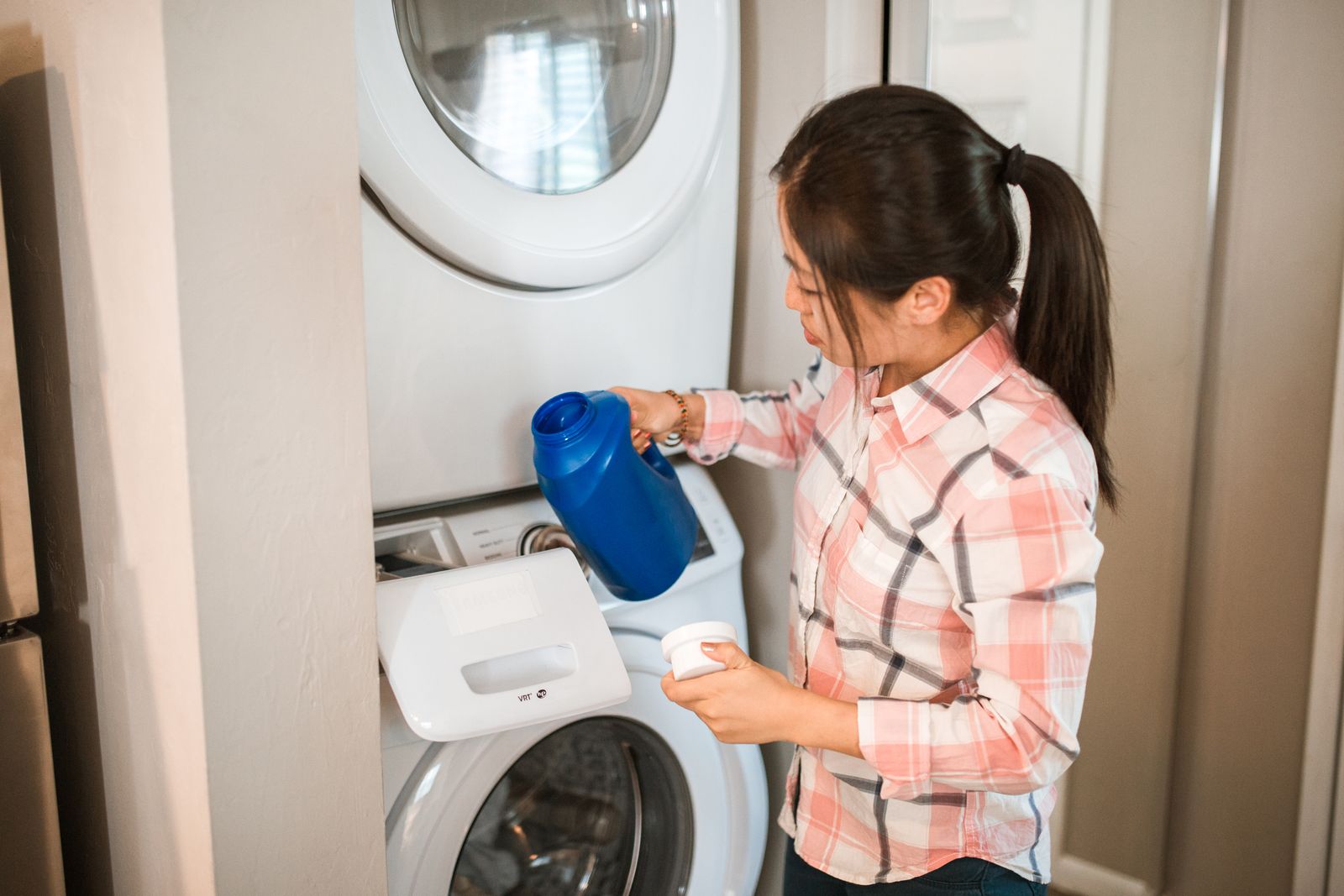
Once your machine is clean, the amount of detergent you use determines whether the smell comes back. Using too much is the number one cause of residue buildup, because excess suds cannot rinse away and instead coat the drum and hoses.
Most people use two to three times more detergent than they need, especially in high-efficiency machines. Our guide on how much detergent you actually need breaks down the right amount by load size and water hardness, and switching to the correct dose alone often prevents future odors.
Keep the Smell From Coming Back
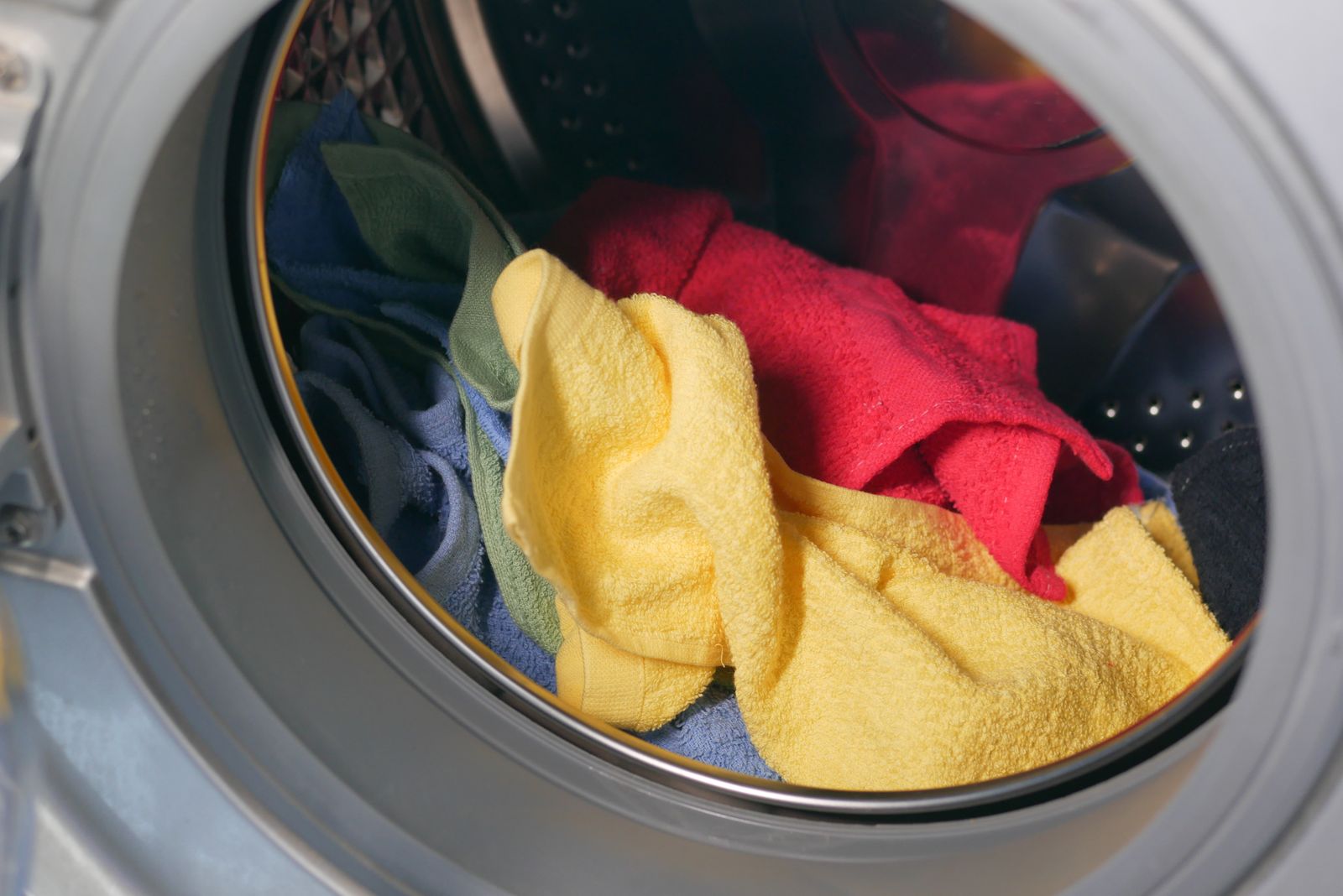
A clean machine stays fresh with just a few easy habits. The biggest one is letting the drum dry out between loads, since bacteria cannot thrive without moisture.
- Leave the door open between washes so the drum and gasket air out completely.
- Wipe the gasket dry after heavy or hot loads to stop water pooling in the folds.
- Run a monthly maintenance wash on hot with vinegar or a cleaning tablet.
- Remove wet laundry promptly instead of letting it sit for hours in the drum.
Damp laundry left sitting is a common trigger, and it is also why clothes dried indoors sometimes smell musty. If that is a problem in your home, our tips on avoiding musty smells when drying clothes indoors pair perfectly with a clean washer.
When the Smell Won’t Go Away
If you have deep-cleaned everything and the odor persists, the problem may be deeper in the drain hose or standpipe, where a slow clog can send sewer gas back toward the machine. Check that the drain hose is not pushed too far down the standpipe, which can create a siphon.
For persistent drainage issues or if you are dealing with a compact or stacked unit in a tight space, our small-space washer guide covers venting and drainage quirks specific to those machines. According to the EPA’s WaterSense laundry guidance, using efficient equipment correctly and avoiding overdosing detergent keeps machines running cleaner for longer.
One focused afternoon is usually all it takes to turn a smelly washer back into a fresh one. Start with the gasket and a hot vinegar cycle today, then adopt the door-open habit going forward, and your next load of towels will smell exactly the way clean laundry should.
Top-Loaders Versus Front-Loaders: Different Smell Culprits
The type of machine you own changes where odors hide and how you tackle them. Knowing the difference helps you clean smarter rather than harder.
Front-Loader Trouble Spots
Front-loading washers seal tightly, which is great for efficiency but terrible for airflow. The rubber door gasket is the number one offender, trapping water, hair, and detergent in its folds. The pump filter at the base is a close second, since it collects standing water that turns sour fast.
Top-Loader Trouble Spots
Top-loaders breathe more easily but are not immune. Older agitator models can hide grime under the fabric softener dispenser and around the drum lip. High-efficiency top-loaders, which use less water, still develop residue rings that need a monthly hot cycle to clear.
Common Cleaning Mistakes That Make Smells Worse
Well-meaning cleaning efforts sometimes backfire. Avoid these pitfalls so your hard work actually lasts:
- Mixing cleaning products: Combining bleach with vinegar or ammonia creates hazardous fumes and never gets clothes cleaner.
- Adding more detergent to mask odor: This adds residue and makes the underlying problem worse.
- Skipping the gasket and filter: Cleaning only the drum leaves the two spots where most odor actually lives.
- Closing the door right after a wash: Sealing in moisture undoes everything you just cleaned.
A Simple Monthly Maintenance Routine
Prevention takes about ten minutes a month. On the first of each month, run a hot empty cycle with two cups of vinegar, wipe the gasket and drawer dry, and check the pump filter every few months. That small rhythm keeps buildup from ever reaching the point where it smells.
Pair that monthly reset with the everyday habit of leaving the door ajar, and a smelly washing machine simply stops being a problem. The difference in how your laundry smells is immediate and genuinely satisfying.
Frequently Asked Questions
How often should I clean my washing machine?
Run a hot maintenance cycle once a month, and wipe the gasket and drawer weekly if you notice moisture. Households that wash daily or use lots of fabric softener may want to clean every two to three weeks.
Can I use bleach to clean a smelly washer?
You can run a bleach-only hot cycle to disinfect, but never combine bleach with vinegar, ammonia, or other cleaners, as the fumes are dangerous. For routine deodorizing, vinegar and baking soda are safer and just as effective.
Why do my clothes still smell after washing?
If clothes smell despite a clean machine, you are likely overloading, using too much detergent, or leaving laundry damp too long. Wash smaller loads, cut back on detergent, and move clothes to the dryer or line promptly.

Felipe Amaral writes about laundry and clothing care for real life — small apartments, busy weeks and clothes you actually want to last. Based in Denver, Colorado, he’s made every laundry mistake in the book so you don’t have to.