
Last spring I pulled my winter coats out of a storage bin and got hit with that unmistakable stale, slightly damp smell that clings to clothes left boxed up too long. Everything looked clean, but it all needed rewashing before I could wear it, which felt like a waste of a whole Saturday.
That frustrating morning sent me down a rabbit hole of testing what actually keeps stored clothes smelling fresh for months. The good news is that a fresh-smelling wardrobe after storage comes down to a few simple habits you set before the bin ever closes, and none of them require expensive products.
Why Stored Clothes Start to Smell
Odor in stored clothing almost always traces back to three culprits: leftover moisture, trapped body oils, and stagnant air. Even clothes that look clean can carry invisible sweat residue and skin oils that slowly break down and turn musty in a sealed container.
Humidity is the biggest enemy. When damp air gets trapped with fabric, it creates the perfect conditions for mildew and that classic basement smell. Understanding these causes makes the solution obvious: store only truly clean, dry clothes, and control the air around them.
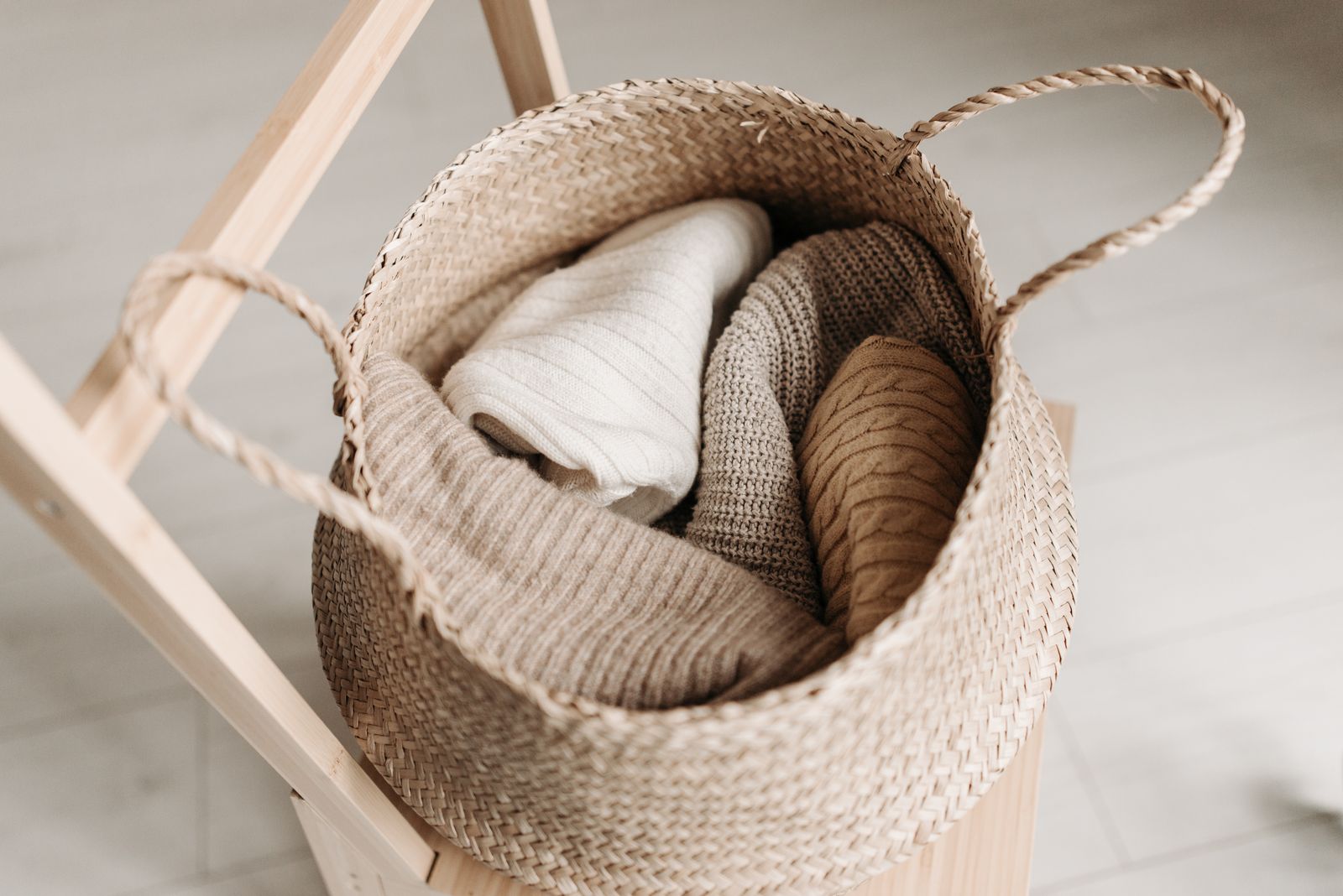
Start With Genuinely Clean Clothes
This is the step most people rush, and it matters more than any deodorizer. Always launder or dry clean everything before storage, even items that were only worn once. Invisible oils and food particles are what feed odor over time.
Wash in the warmest water the fabric allows, and make sure garments are completely dry before folding. Even slightly damp clothes will develop a musty smell within weeks. For delicate knits and wool, follow the fabric care label and let them air dry fully flat.
Skip the Fabric Softener Before Storage
It sounds counterintuitive, but heavy fabric softener and dryer sheet residue can actually turn rancid over long storage. A clean rinse with a little white vinegar in the wash instead helps strip residue and leaves no lingering scent. Never combine that vinegar with chlorine bleach, since mixing the two releases dangerous fumes.
Choose the Right Storage Container
Your container choice can make or break freshness. Breathable cotton garment bags and canvas bins are ideal because they let air circulate while keeping dust out. Reserve airtight plastic only for short-term storage in a climate-controlled space.
- Cotton or canvas bins: Best for natural fibers like wool and cotton that need to breathe.
- Acid-free boxes: Ideal for heirlooms and anything you want to protect long term.
- Vacuum bags: Great for saving space, but only for synthetics and sturdy cottons, not wool or silk.
- Under-bed containers: Convenient, but add moisture absorbers and check them seasonally.
If you want a deeper breakdown of when compression storage helps and when it hurts, our guide to vacuum storage bags covers exactly what to store and what to skip.
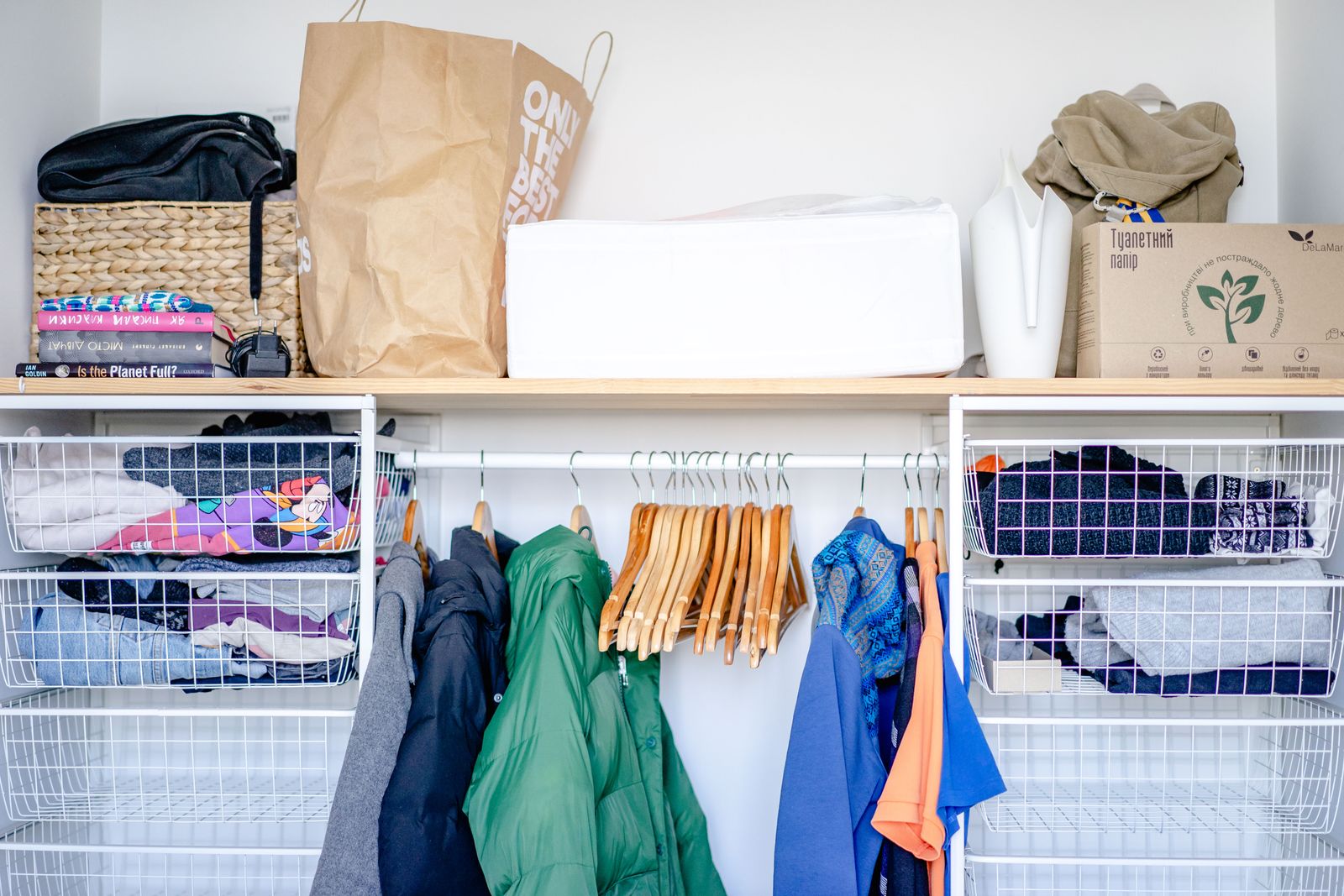
Natural Fresheners That Actually Work
You do not need synthetic air fresheners to keep clothes smelling pleasant. Cedar blocks and cedar balls absorb moisture and repel moths at the same time, which is why they have been a closet staple for generations. Sand them lightly once a year to refresh the scent.
Dried lavender sachets, activated charcoal pouches, and baking soda in a breathable container all pull odor and moisture from the air. Tuck one into each bin, and refresh them every few months. Avoid placing scented products directly against fabric, since concentrated oils can leave stains.
Control the Moisture
Silica gel packets are the unsung hero of clothing storage. Toss a few into every container to soak up ambient humidity. In damp climates, a small closet dehumidifier or moisture-absorbing bucket keeps the whole storage area dry.
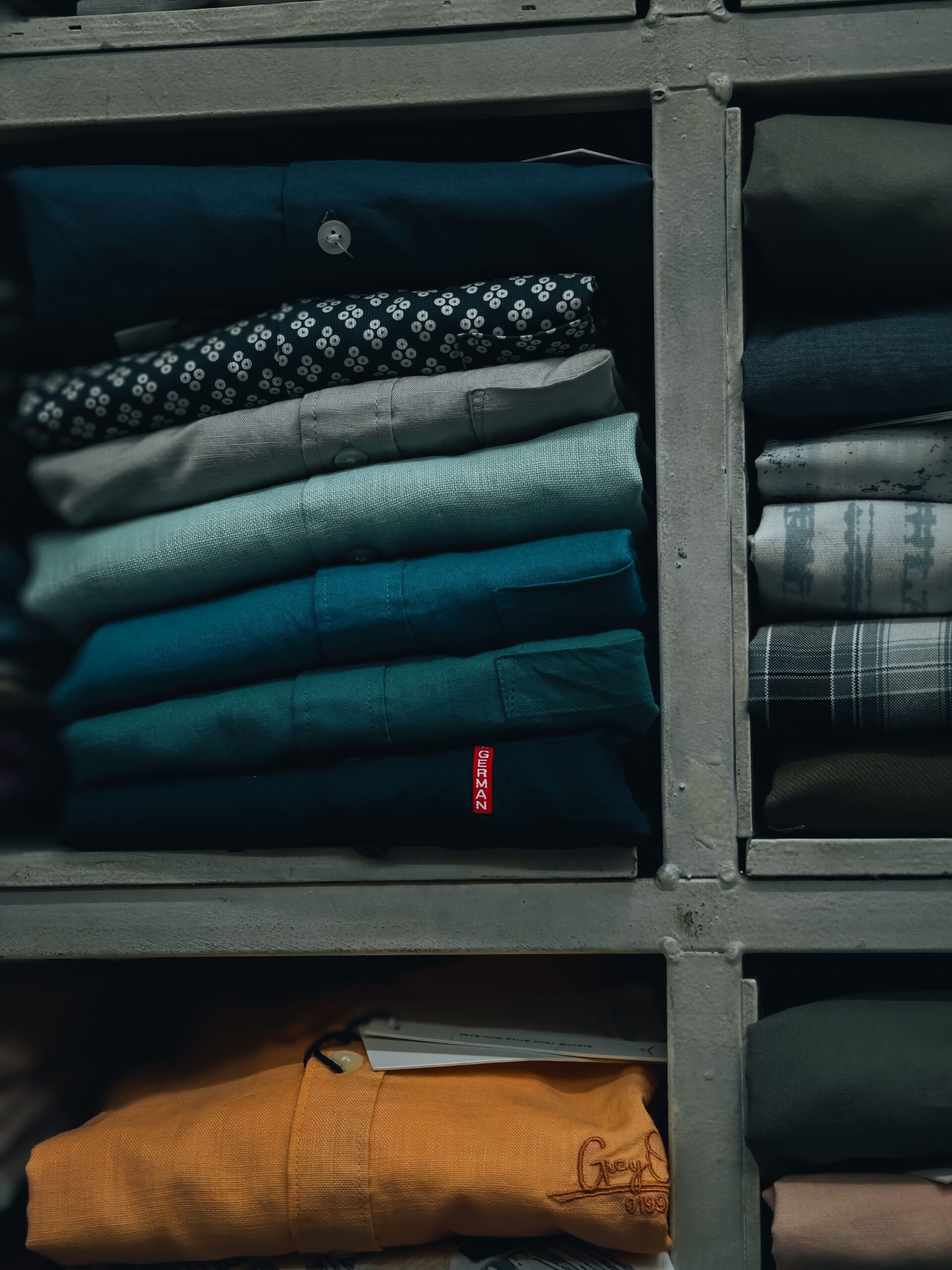
Where and How You Store Matters
Location is half the battle. Avoid basements, attics, and garages where temperature and humidity swing wildly. A closet on an interior wall or a spot under the bed in a heated room stays far more stable and keeps clothes fresh longer.
Keep bins off concrete floors, which wick moisture upward, by placing them on a shelf or wooden pallet. If you are working with limited square footage, our tips on how to store off-season clothes in a small apartment show how to find dry, stable spots even in tight quarters.
Maintain Freshness Over the Season
Storage is not entirely set-and-forget. Every couple of months, open your containers for an hour to let fresh air circulate and to check for any signs of dampness or pests. This quick habit catches problems before they ruin a whole bin.
If you notice any musty hint, pull everything out, air it in sunlight, and replace your moisture absorbers. Combining smart storage with regular moth prevention for stored clothes keeps your wardrobe protected from both odor and damage.
Bringing Clothes Out of Storage
When the season turns, resist the urge to wear stored clothes straight from the bin. Hang them for a day to let any faint storage scent dissipate, and give delicate items a gentle steam or air-out.
For fabrics like silk that need special handling after storage, our guide on silk care and storage walks through refreshing them safely. According to the EPA’s guidance on mold and moisture, keeping indoor humidity below 60 percent is the single most effective way to prevent musty odors and mildew in stored items.
Follow these steps and opening a storage bin will smell like fresh laundry instead of a damp attic. The next practical move: pick one bin this weekend, re-sort it with clean clothes and a fresh moisture absorber, and you will notice the difference the moment you unseal it months from now.
Prepping Different Fabrics for Storage
Not every fabric behaves the same way in storage, and treating them all identically is a common mistake. A little fabric-specific prep keeps everything smelling fresh and prevents damage that a whole season of storage can cause.
Wool and Cashmere
Natural animal fibers need to breathe and are the favorite meal of moths. Store them clean, folded rather than hung to avoid stretching, and always with cedar nearby. Never seal wool in airtight plastic for long periods, since trapped moisture can felt the fibers and lock in odor.
Cotton and Linen
These sturdy fibers tolerate compression better than most, so vacuum bags are fine for them. Make sure they are bone dry first, because any residual dampness in cotton turns musty faster than in synthetics. A silica packet in each bag adds insurance.
Synthetics and Activewear
Polyester and performance fabrics trap body oils stubbornly, which is why they smell first if stored dirty. Wash them thoroughly, and consider an extra vinegar rinse to break down oil residue before they go into storage.
Common Storage Mistakes to Avoid
Even careful people sabotage their own storage with a few repeat errors. Steering clear of these keeps your clothes fresh far longer:
- Storing in dry-cleaning plastic: Those thin bags trap chemicals and moisture, and can yellow fabric over time.
- Packing bins too tightly: Overstuffing blocks airflow and creates damp pockets where odor thrives.
- Forgetting to label: Rummaging through bins later exposes everything to dust and disrupts your fresheners.
- Using scented cardboard or perfumed liners: These strong scents can overwhelm fabric and are hard to remove later.
Avoid these and your clothes will emerge in the same condition you stored them. A little intention up front saves hours of rewashing when the season changes and keeps your favorite pieces ready to wear the moment you want them.
Quick Answers on Keeping Stored Clothes Fresh
How often should I refresh moisture absorbers?
Replace or recharge silica gel and baking soda every two to three months, and swap lavender sachets each season. In humid climates, check them monthly, because saturated absorbers stop working and can even add moisture back into the container.
Can I store clothes with essential oils for scent?
You can, but never apply oils directly to fabric, as they leave greasy stains. Instead, dab a drop or two onto a cotton pad or wooden block and tuck it into a corner of the bin, well away from the clothing itself.
Is it safe to store clothes in vacuum bags long term?
For sturdy cottons and synthetics, yes, for a season or two. For wool, silk, and down, avoid long-term compression, since it crushes the fibers and traps any residual moisture, which is exactly what causes that stale smell.

Felipe Amaral writes about laundry and clothing care for real life — small apartments, busy weeks and clothes you actually want to last. Based in Denver, Colorado, he’s made every laundry mistake in the book so you don’t have to.