
There’s a specific frustration in opening a drawer, seeing it stuffed to the brim, and still feeling like you have nothing to wear. Everything is wrinkled, buried under everything else, and impossible to find without excavating the whole pile onto your bed.
Learning to fold clothes to save space is the single cheapest storage upgrade you can make, especially in a small apartment where every inch of a dresser counts. No new furniture, no bins to buy, just a smarter way to use the space you already own.
Why folding to save space actually works
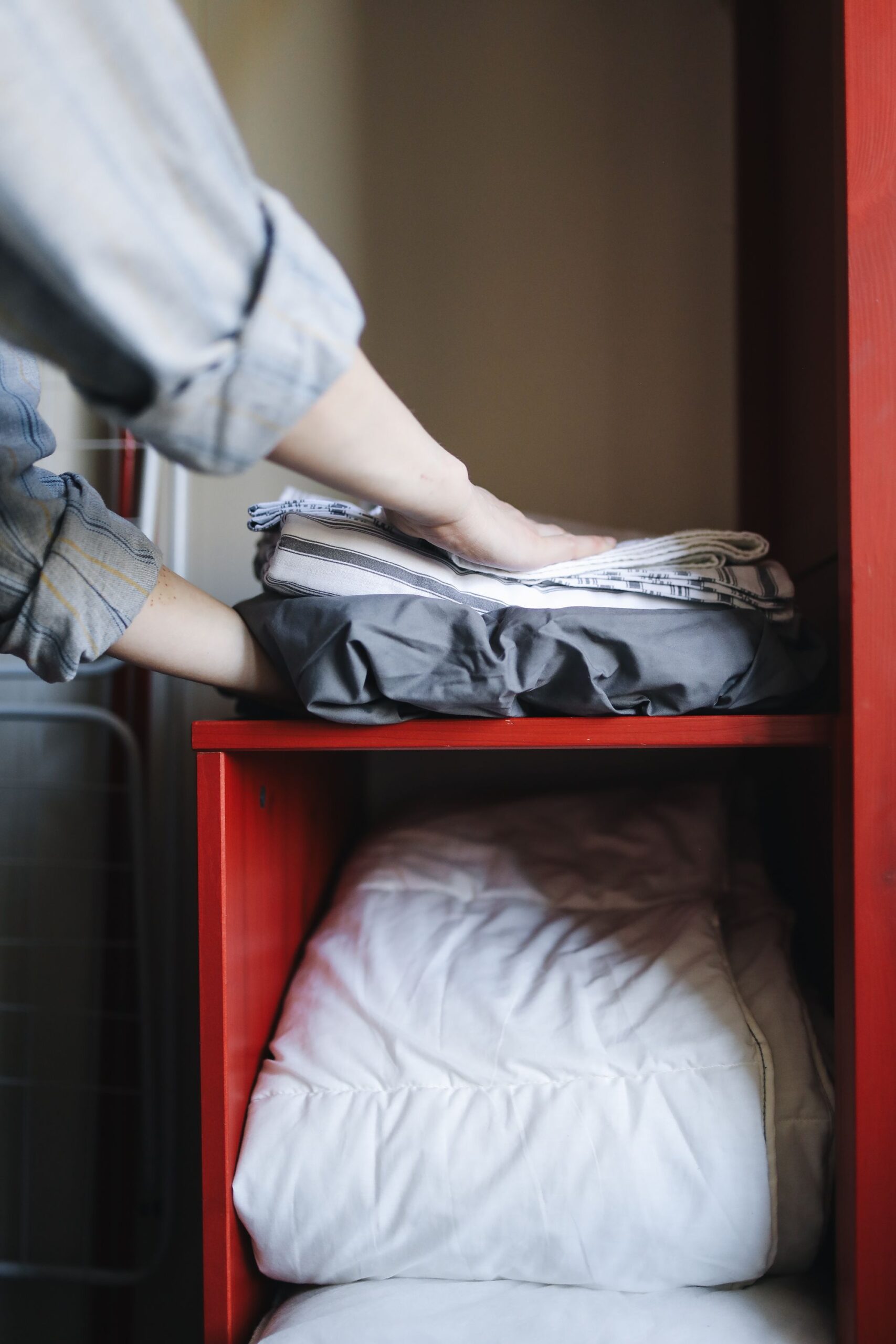
Most of us fold flat and stack horizontally, which means clothes pile on top of each other. You see only the top item, and pulling one out topples the rest into a mess you then have to refold.
The best way to fold clothes to save space is filing: fold each item into a small, self-supporting rectangle and stand it upright, like books on a shelf. When you fold clothes to save space this way, you can see every single item at a glance and grab one without disturbing its neighbors.
Vertical filing also fits noticeably more per drawer. A tightly folded rectangle has a smaller footprint than a loose flat stack, and the drawer stays organized on its own because each packet holds the next one in place. The result is a drawer that looks like a tidy filing cabinet instead of a laundry avalanche waiting to happen.
There is a mental benefit too. When you can see your whole wardrobe at once, you actually wear more of it, instead of cycling through the same five things that happen to sit on top of the stack.
The basic file fold, step by step
This technique works for T-shirts, sweaters, pajamas, and most casual tops. The goal is a firm little packet that stands on its own without flopping over.
- Lay the shirt face down and smooth out the wrinkles with your hand.
- Fold both sides inward so the sleeves lie flat down the back, creating a long rectangle about the width of your palm plus a few inches.
- Fold the bottom hem up to just short of the collar, then fold in half or thirds until you have a compact rectangle.
- Stand it on its folded edge. If it flops, your rectangle is too loose, so refold slightly tighter.
A well-made packet should stay upright when you set it on a table. That firmness is exactly what lets you line up a whole row without them collapsing like dominoes.
It feels slow the first few times, but within a week your hands learn the motion and each shirt takes only a few seconds. Think of it as an investment that pays back every single morning when you get dressed.
Folding drawer by drawer
When you fold clothes to save space, different drawers hold different challenges, so the folding approach shifts a little as you move through the dresser. Tackling it drawer by drawer keeps the project manageable and stops you from burning out halfway through.
The T-shirt and top drawer
File-fold everything upright and sort by color or sleeve length. A shallow drawer, roughly 5 to 6 inches deep, is ideal because the packets stay short and visible. If your drawer is deeper, do not stack on top; instead file in two front-to-back rows so nothing gets buried.
The pants and jeans drawer
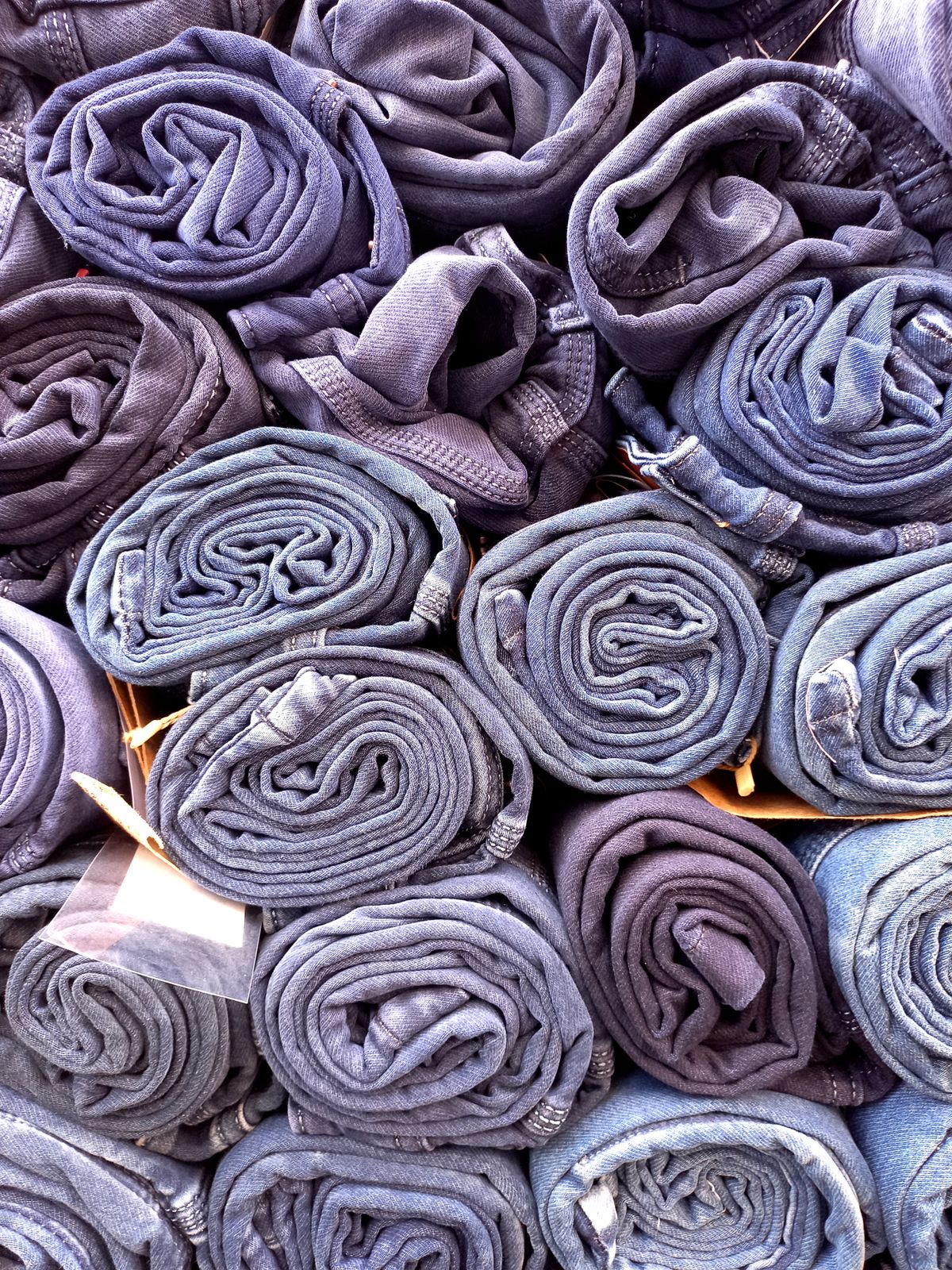
Fold jeans in half lengthwise, then roll from the waistband down into a tight cylinder. Rolling denim resists creasing and lets you stand pairs side by side like bottles in a crate. If you want your jeans to hold their color over the years, pair smart folding with gentle washing habits, which I cover in my guide on how to keep black clothes from fading.
The socks and small items drawer
Use drawer dividers or small open boxes to create compartments so tiny items do not migrate into one tangled corner. Fold socks flat in pairs instead of balling them, since balling stretches the cuffs out and wastes vertical space you could be using.
Which clothes to fold and which to hang
Folding saves space, but some garments do better hung; knowing when to fold clothes to save space and when to hang keeps everything in shape. Knowing the difference keeps your drawers and closet both working as hard as they can.
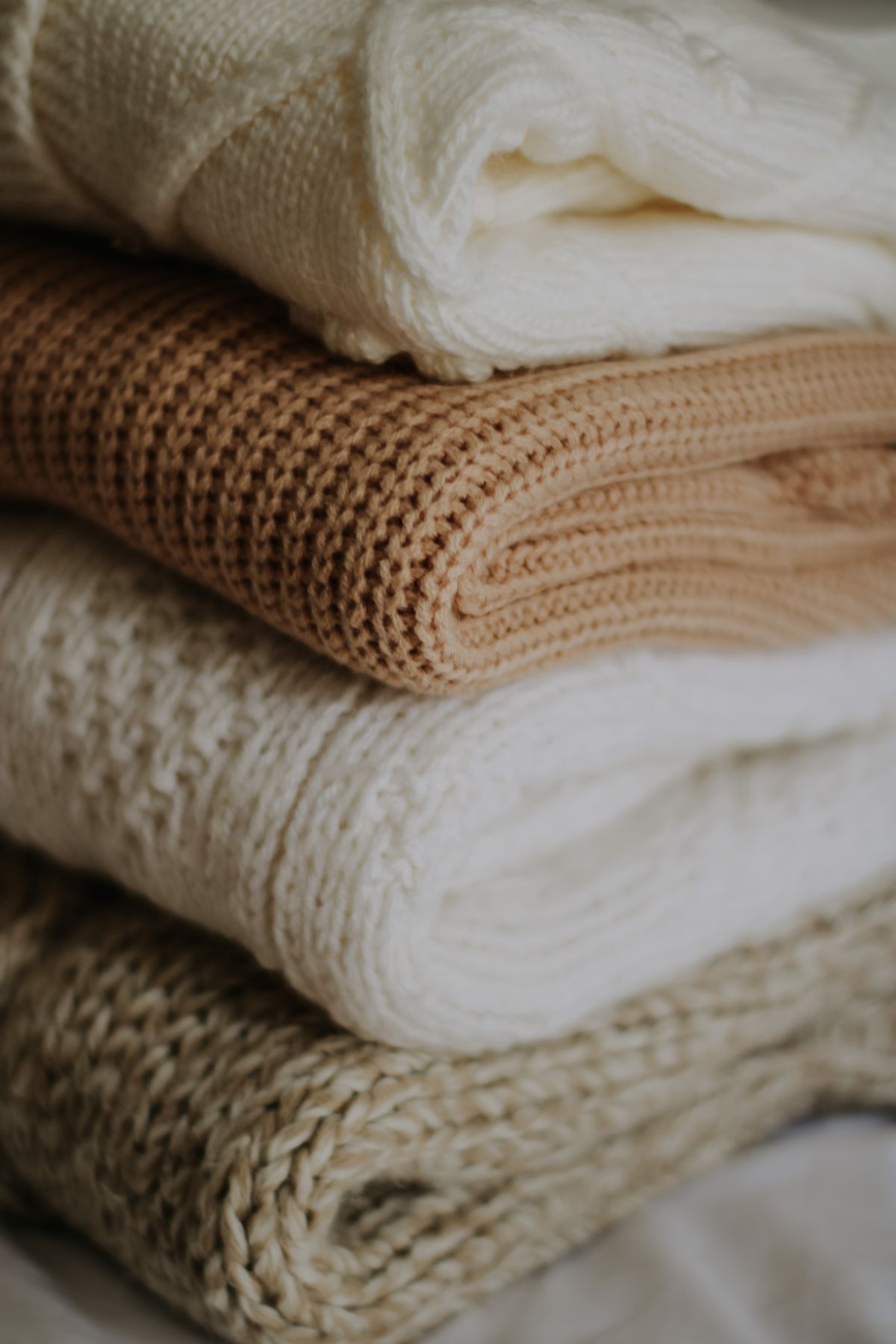
Fold heavy knits and sweaters, because hanging stretches the shoulders permanently out of shape. Fold T-shirts, jeans, activewear, and pajamas, which handle creasing well. Hang structured pieces like blazers, dress shirts, and anything prone to deep wrinkles that a folded crease would set in hard.
If you are tight on closet rods, a folding-first mindset frees up hanging space for the pieces that truly need it. For a full small-space rethink of your storage, see my walkthrough on how to organize a tiny closet without renovating.
Keeping folded clothes wrinkle-free
Folding fresh, fully dry laundry is the real secret to being able to fold clothes to save space without wrinkles, to wrinkle-free drawers. Damp clothes crease as they sit, and warm clothes taken straight from the dryer set wrinkles as they cool while folded.
Let items rest flat for a few minutes after drying, then fold while they still hold a hint of warmth for the crispest creases. Getting your loads properly dried in the first place matters too, and the EPA WaterSense laundry products has reliable fundamentals on drying and fabric care.
Overstuffing quietly undoes all your work, so if a drawer will not close easily, treat it as a signal to declutter rather than force it shut. Correct temperature choices during washing also reduce shrinkage and warping that make folding harder, which I break down in picking the right water temperature for every load.
Small-space and renter-friendly tips
You do not need a fancy dresser to fold clothes to save space. A few cheap, no-drill tricks go a long way in a tight apartment where you cannot modify anything permanently.
Shoeboxes and cut-down cereal boxes make free drawer dividers that cost nothing. Tension-mounted organizers and stackable fabric bins, usually 10 to 25 dollars, add filing structure to closets and shelves without any tools or holes in the wall.
If your dresser drawers are deep, use that extra depth by filing front to back in two rows rather than stacking, so nothing gets lost at the bottom. In a shared or studio space, a single well-filed dresser can replace an entire second storage unit, which is a real win when square footage is scarce.
Common folding mistakes to avoid
Even when you fold clothes to save space with a good method, a few habits sneak in and eat your space back up. The most common one is folding to different sizes, which leaves an uneven, wobbly row that never stays tidy for long.
Aim for one consistent width in each drawer by matching your fold to the drawer’s depth, so every packet is the same height and the row stays flush. Another mistake is folding thick and thin fabrics together; keep bulky sweaters in their own zone so they do not crush lighter tees beside them. Finally, resist refolding clean clothes over and over. Handle each item once, file it, and leave it alone until you wear it.
Keeping the folding system going
When you set out to fold clothes to save space, the hardest part is not the first fold; it is week three, when laundry piles up and the temptation to just shove things in returns. Build folding into your routine by doing it right after clothes come out of the dryer, while you are already standing there anyway.
A ten-minute folding session twice a week beats a dreaded hour-long marathon every time. Keep an eye on drawers that start to bulge and treat them as an early warning to donate a few pieces before the whole system breaks down again.
Your next step
Pick one drawer today, empty it completely, and refold everything using the upright file method. You will likely reclaim a third of the space and finally see everything you own in one glance. Once that first drawer clicks into place, the rest of the dresser follows fast, and getting dressed each morning stops feeling like a treasure hunt.

Felipe Amaral writes about laundry and clothing care for real life — small apartments, busy weeks and clothes you actually want to last. Based in Denver, Colorado, he’s made every laundry mistake in the book so you don’t have to.