
You’re dressed, you’re running late, and you catch your reflection on the way out: two chalky white streaks smeared across your dark shirt where it brushed your underarms. It’s a tiny problem with terrible timing.
The good news is that deodorant marks are almost always a two-minute fix, and you rarely need to change your outfit or start over. With a few tricks you probably already have within arm’s reach, you can be out the door looking spotless.
Why deodorant marks happen
Those white or greasy streaks are just deodorant residue transferring onto fabric as you pull clothing over your head or brush against your arms. Solid antiperspirants leave chalky white marks, while gels and creams can leave a greasier, darker patch.
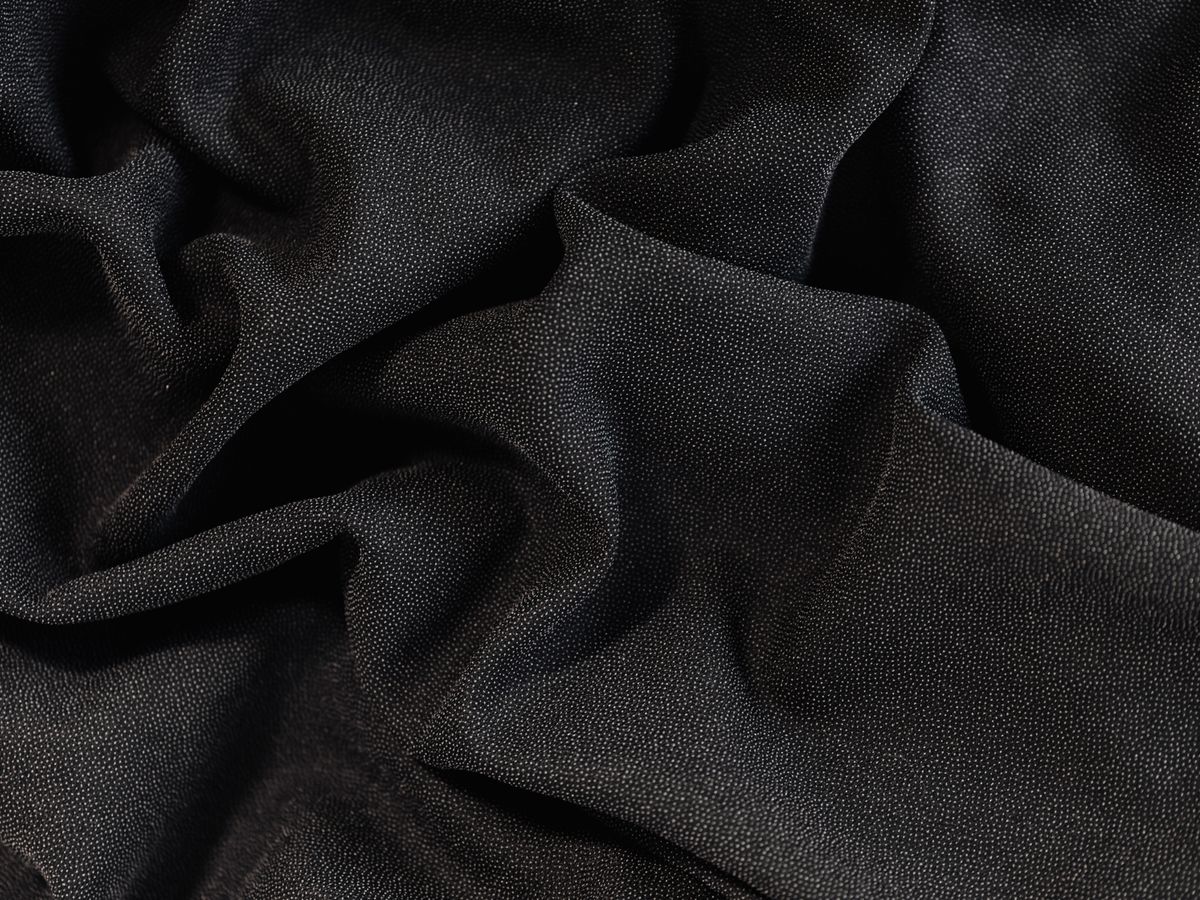
Dark clothing shows the white residue most dramatically, which is why your favorite black tee seems to attract it. Knowing the type of mark helps you pick the fastest removal method.
The fastest ways to remove deodorant marks
When you’re in a hurry, reach for whatever is closest. Several everyday items lift deodorant marks in seconds without water or a wash.
Here are the quickest fixes, roughly in order of how well they work:
- The garment itself: rub the marked area with a clean, dry part of the same fabric.
- A dryer sheet: rub gently over the streak to lift the residue.
- Nylon or pantyhose: buff the mark with a balled-up nylon.
- A makeup sponge or foam: the slightly abrasive surface wipes marks away.
- Damp cloth with a touch of white vinegar: for stubborn greasy marks.
Start with the gentlest option and only escalate if needed. Most fresh marks disappear with nothing more than a quick rub from the fabric itself.
The fabric-on-fabric trick
This is the classic emergency fix and it costs nothing. Grab a clean section of the same garment, like the inside hem, and rub it briskly over the mark using small circular motions.
The matching fabric grabs the residue better than a paper towel and won’t leave lint behind. It works because you’re essentially using the shirt to dust itself off.

What to do about set-in or greasy marks
Sometimes a mark has been through the wash and baked in, or a cream deodorant has left an oily shadow. These need a slightly stronger approach but are still very fixable.
Dab the spot with a little white vinegar or a drop of dish soap worked into the fabric, let it sit a few minutes, then rinse and blot. Never combine vinegar with chlorine bleach, since the mix produces toxic fumes.
For yellowed underarm buildup that’s more than surface residue, you’re dealing with sweat and product together. Our guide on how to remove sweat stains and yellowing from white shirts tackles that deeper problem.
Protecting dark clothes specifically
Dark fabrics are where deodorant marks are most visible and most frustrating. A little extra care keeps your blacks and navies looking sharp.
Beyond removing marks, keeping dark clothes rich and streak-free is part of good color care. See our tips on how to keep black clothes from fading so residue and washing don’t dull them over time.
How to prevent deodorant marks entirely
The real win is never getting the marks in the first place. A few small habit changes eliminate the problem almost completely.
Let your deodorant dry fully before dressing, apply a thin layer rather than several swipes, and step into shirts or pull them on carefully instead of dragging them across your underarms. Switching to a clear or gel formula also cuts down on chalky white transfer.
If you reapply during the day, do it before putting your shirt back on, not through the armhole. These tiny adjustments prevent the vast majority of marks.
A quick reference for common stains
Deodorant is just one of many marks that strike at the worst moment. Having a mental map of quick fixes for the usual suspects saves you every time.
For everything from coffee to grease to ink, our stain removal chart for 20 common stains is a handy reference. For the science of safe treatment, the EPA Safer Choice keeps a clear, trustworthy guide.
Which household items work best (and which to avoid)
Not everything in your bathroom is safe on fabric, so it helps to know the winners and the risks. Dryer sheets, nylon, and clean matching fabric are the safest all-around choices because they lift residue without moisture or chemicals.
Baby wipes and a barely damp microfiber cloth can also work on light residue. What you want to avoid is scrubbing hard with a colored paper towel that sheds lint, or soaking the area with water right before you leave, which just turns a white mark into a wet patch.
Skip harsh solvents and bleach on the fly. They can discolor fabric, and on dark clothes a bleach splash creates a permanent problem far worse than the original mark.
A 30-second emergency routine
When you spot a mark and the clock is ticking, a simple sequence gets you out the door fast. Panic leads to over-scrubbing, so having a routine keeps you calm and effective.
First, brush off any loose flakes with your fingers. Second, rub the mark with a dryer sheet or a clean section of the fabric in small circles. Third, check the spot in good light and repeat once if needed. That is usually all it takes for a fresh mark.
Keep a small fix-it kit by the door
The people who never seem to have this problem simply keep the right tools within reach. A couple of dryer sheets, a spare nylon, and a travel pack of wipes in a drawer near your mirror turns a stressful scramble into a five-second habit.
When you should just change or wash
Occasionally a mark is too set or too large to fix in the moment, and forcing it only spreads the residue. Knowing when to stop saves time and prevents damage.
If a greasy cream deodorant has soaked in and darkened the fabric, or if buffing is only smearing it wider, set the shirt aside for a proper wash later and grab a different top. A two-minute fix should look like a fix; if it does not, do not keep rubbing.
Different deodorant types and the marks they leave
The formula you use has a big effect on the kind of mark you fight. Solid stick antiperspirants are the biggest culprits for chalky white streaks because they deposit a visible layer of powder-like residue.
Gel and clear formulas go on wet and dry invisible, so they rarely leave white marks, though they can occasionally leave a faint stiff patch if overapplied. Cream and roll-on types sit somewhere in between and can leave a greasy shadow on light fabrics if you dress before they dry.
If deodorant marks are a constant battle, switching formulas is the simplest long-term fix. Many people find that moving from a heavy solid to a clear gel eliminates the problem almost entirely, without giving up any sweat protection.
Whatever you use, the golden rule stays the same: let it dry completely before your shirt touches your skin. Thirty seconds of patience at the mirror prevents nearly every mark you would otherwise be scrambling to remove.
Conclusion: never let a white streak win
Deodorant marks feel like a wardrobe emergency, but they’re one of the easiest fixes in the whole laundry world. A quick rub with the right material and you’re back to looking put-together in seconds.
Your next step: tuck a dryer sheet or a small square of matching fabric into your bag or by the door. The next time a white streak appears, you’ll erase it before anyone else even notices.
Keep the fix simple, keep the tools handy, and a stray white streak will never again derail your morning.

Felipe Amaral writes about laundry and clothing care for real life — small apartments, busy weeks and clothes you actually want to last. Based in Denver, Colorado, he’s made every laundry mistake in the book so you don’t have to.