
I found the first hole in a favorite merino sweater in late August, a clean little gap right at the elbow that had not been there in spring. Then I found two more in a wool blazer I had stored in the same cedar-free bin. That is the moment most of us learn why moth prevention matters, long after the damage is done and the tiny larvae have already moved on.
The good news is that moth prevention does not require harsh chemicals or expensive gear. With clean storage, good airflow and a few natural deterrents, you can protect stored clothes for years. Here is how I keep my wool and cashmere safe without a single mothball.
Moth Prevention Starts With Knowing the Enemy
It is not the fluttering adult moth that eats your clothes. The adults do not feed on fabric at all. It is their larvae, tiny cream-colored caterpillars, that chew through wool, cashmere, silk, felt and fur to get the keratin protein inside.
They are drawn to natural animal fibers, especially ones with traces of sweat, food or body oils. A sweater that looks clean can still carry an invisible buffet. That is why the single most effective moth prevention step happens before storage, not during it.
Cottons, linens and most synthetics are safe on their own, so you can focus your energy where it counts. Blends are the tricky ones: a fabric that is 30 percent wool is still a target. When in doubt, treat any garment with animal fiber in it as vulnerable and store it with the same care you would give pure wool.
Clothes moths love dark, undisturbed, humid spaces: the back of a closet, a bin under the bed, a box in a warm attic. Anywhere clothes sit untouched for months is prime territory.
There are two common culprits in North American homes: the webbing clothes moth and the casemaking clothes moth. Both are small, only about half an inch across, and a dull gold or beige rather than the gray of a pantry moth. If you see little moths flying near your closet in a lazy, fluttering way rather than toward lights, treat it as a warning sign and inspect your stored wool right away.
Always Store Clothes Clean
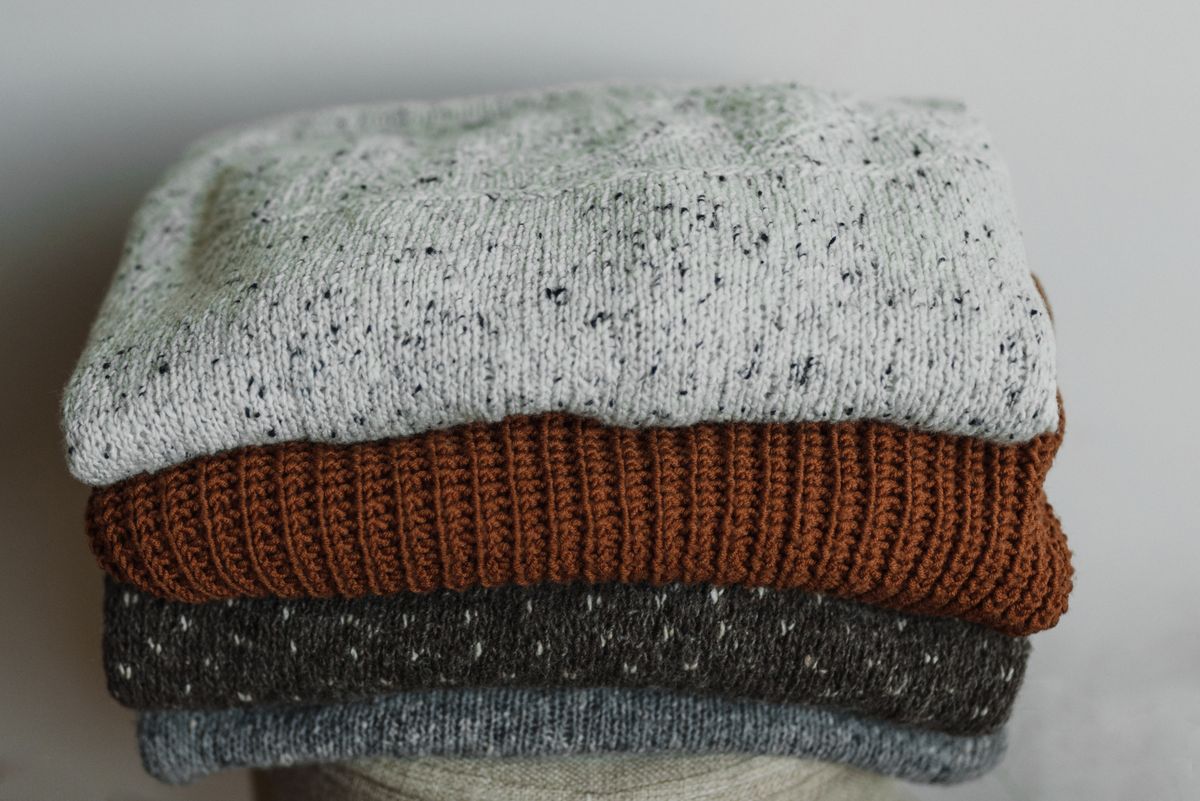
This is the rule that matters most. Wash or dry-clean everything before it goes into storage, even items that look and smell fine. Invisible sweat and skin oils are exactly what attracts larvae to feed.
For washable wool, use cool water, around 85 to 105 degrees Fahrenheit, and a wool-safe detergent on a gentle or hand-wash cycle. For anything labeled dry-clean only, take it in at the end of the season rather than the start of the next one.
If you spot chlorine bleach recommended anywhere for moth-killing, skip it on wool and protein fibers; it damages them, and you should never mix chlorine bleach with ammonia or vinegar because the combination releases toxic gas, as the EPA Safer Choice cautions.
What About Items You Cannot Wash?
For structured coats, tailored suits and anything with interfacing or leather trim, professional dry cleaning at the end of the season is worth the cost. If dry cleaning is not in the budget, a thorough brushing with a soft garment brush plus a stint in the freezer is a reasonable renter-friendly compromise. Brushing physically removes eggs and surface debris that larvae feed on.
Choose the Right Storage Containers

Airtight is your friend. Sealed plastic bins with tight lids, vacuum bags and zippered garment bags all physically block moths from reaching the fabric. A cardboard box with folded flaps does not; larvae and eggs slip through the gaps easily.
A few container choices that work well for renters and small spaces:
- Clear lidded plastic bins ($8 to $20 each) that stack under a bed or on a shelf.
- Vacuum-seal bags ($2 to $5 each) for bulky knits and duvets, which also save space.
- Zippered cotton or canvas garment bags for coats and suits you want to keep breathable.
- Acid-free tissue paper to layer between delicate or heirloom pieces.
Whatever you choose, make sure the clothes are fully dry before sealing. Trapped moisture invites both moths and mildew.
If your storage area runs damp, which is common in basement closets and older apartments, drop a few silica gel packets or a small moisture absorber into each bin. Keeping relative humidity below about 50 percent makes the space far less friendly to larvae, which need some moisture to thrive. This one cheap addition often makes the biggest difference in a home where storage space is limited and less than ideal.
Use Natural Deterrents That Actually Help
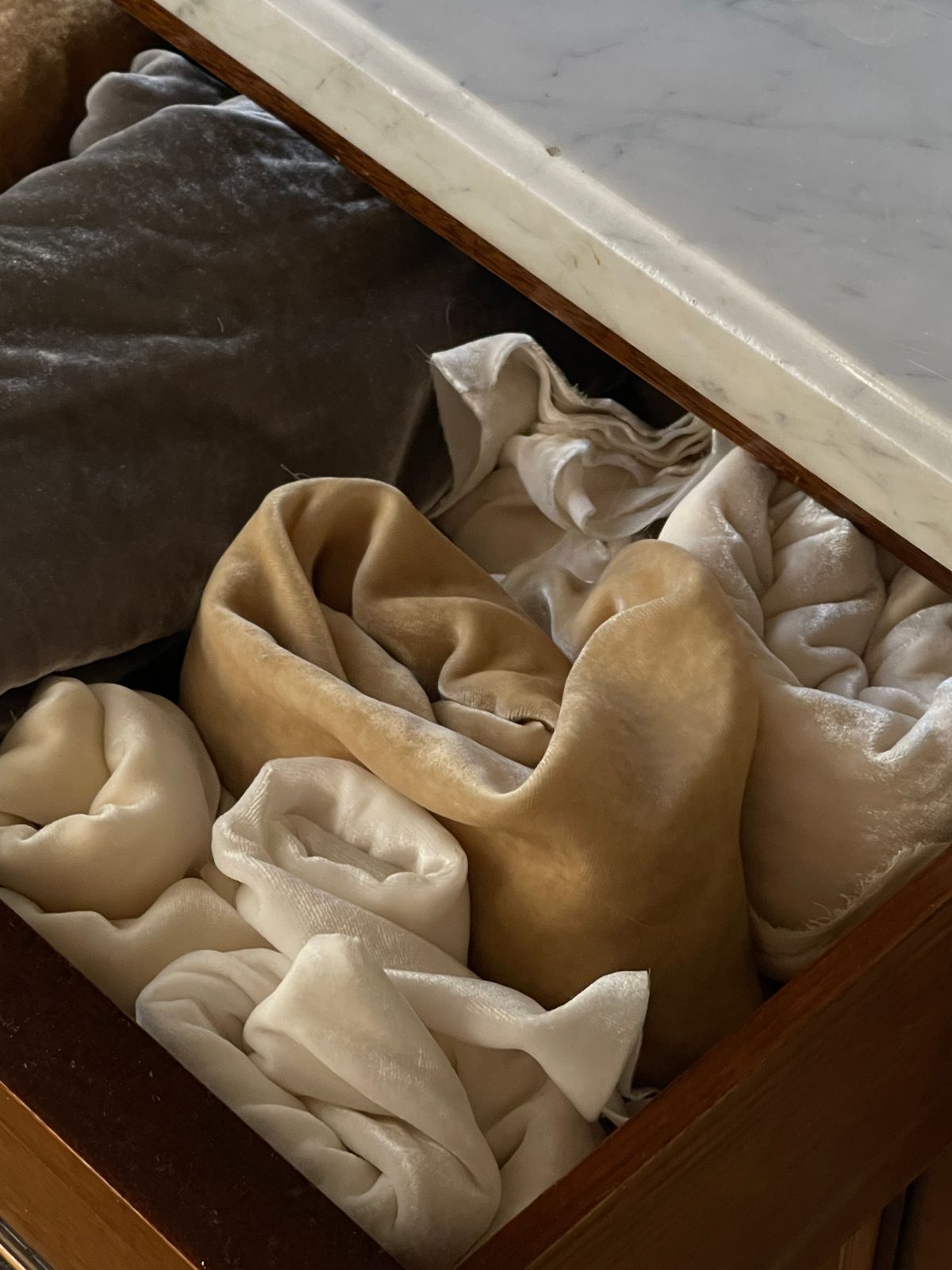
Cedar is the classic. Cedar blocks and hangers release oils that repel moths, though the effect fades. Sand them lightly with fine sandpaper or add a drop of cedar oil every few months to refresh the scent.
Lavender, rosemary, bay leaves and cloves also deter moths and smell far better than mothballs. Tuck small sachets among folded knits, or hang a muslin bag of dried lavender in a garment bag. Replace them every couple of months as the scent weakens.
Keep expectations realistic: natural deterrents discourage moths but will not save badly soiled clothing. They work best layered on top of clean, sealed storage, not as a substitute for it.
One deterrent to avoid is the traditional mothball. Old-fashioned mothballs rely on naphthalene or paradichlorobenzene, chemicals that are toxic to breathe and leave a smell that clings to fabric for months. In a small apartment where storage and living space overlap, the health tradeoff simply is not worth it when clean storage and cedar do the job.
Freeze or Heat to Kill Existing Eggs
If you suspect an item already has eggs or larvae, temperature extremes are your safest weapon. Seal the garment in a bag and put it in the freezer for at least 72 hours at zero degrees Fahrenheit. The deep cold kills all life stages.
Heat works too. A hot dryer cycle, where the fabric allows, or a day sealed in a black bag in direct summer sun will do the job. After treating, wash or air the item before returning it to clean storage.
For a larger infestation that has spread across several items, treat everything in the affected area at once rather than piecemeal. Missing even one contaminated sweater lets the cycle start over. When in doubt, freeze the whole batch, then wash what you can and dry-clean the rest before anything goes back on the shelf.
Inspect and Rotate Through the Season
Moth prevention is not a one-and-done task. Every month or two, open your storage, shake out a few items and look for holes, silky webbing or tiny larvae in seams and folds. Disturbing the space alone discourages them.
Good moth prevention means vacuuming the closet floor and corners regularly, since eggs collect in dust and lint. Empty and wipe down bins between seasons. A ten-minute check now saves a favorite sweater later.
Airflow and light are also on your side. Clothes moths avoid disturbance and brightness, so opening the closet, cracking a window and letting sun into the room every so often makes the whole space less hospitable. In a small apartment, simply rotating your knits to the front of the shelf every few weeks keeps them from becoming the forgotten, undisturbed corner that moths prefer.
A simple seasonal rhythm keeps moth prevention effortless: clean and store in spring, check midsummer, and refresh cedar or lavender when you rotate your wardrobe in fall. Put a repeating note in your phone so the midsummer inspection never slips your mind, because that quiet check is exactly when early damage is small enough to stop.
Your next step: pull out the one wool or cashmere piece you care about most, make sure it is truly clean, and move it into a sealed bin with a cedar block or lavender sachet today. Protecting your best clothes is the easiest place to start.

Felipe Amaral writes about laundry and clothing care for real life — small apartments, busy weeks and clothes you actually want to last. Based in Denver, Colorado, he’s made every laundry mistake in the book so you don’t have to.