
The first time I threw a “hand wash only” sweater into the machine, it was pure laziness after a long week. It came out fine, which taught me exactly the wrong lesson, because the next one, a wool-blend cardigan, came out two sizes smaller and felted stiff. Somewhere between those two loads is the real answer: you often can machine wash delicate clothes, but only if you do it deliberately.
A “hand wash only” label is really a warning that the garment is sensitive to heat, agitation and rough handling. Recreate the gentleness of hand washing inside your machine and most of these items come out clean and intact. Here is how to do it without gambling your favorite pieces.
Hand Wash Only: Read the Label and the Fabric First
Start by separating “hand wash only” from “dry clean only.” The two are not the same. Hand wash means water is fine with care; dry clean only often means water could ruin the structure or dyes, so those pieces stay out of the machine entirely.
If the care label is missing or faded, judge by feel and construction. A tightly woven, single-fiber piece with no embellishment is usually machine-safe on gentle; anything soft, loosely knit or heavily decorated deserves the cautious route. When a garment is expensive or irreplaceable, err toward hand washing rather than testing your luck.
Then look at the actual fiber. Sturdy delicates like cotton, linen, nylon and polyester handle a gentle machine cycle well. The riskier group is animal fibers and loose weaves: wool, cashmere, silk, and anything with beading, sequins or delicate lace.
When you are unsure, test for colorfastness first. Dab a hidden seam with a damp white cloth; if color transfers, hand wash that item separately instead.
It also helps to know why the manufacturer chose that label. Brands often print “hand wash only” as legal caution rather than a strict rule, because they cannot control how rough your machine is. A high-quality merino sweater and a cheap acrylic one may carry the same tag but tolerate very different treatment, so a little judgment goes a long way.
Protect Each Piece Before It Goes In
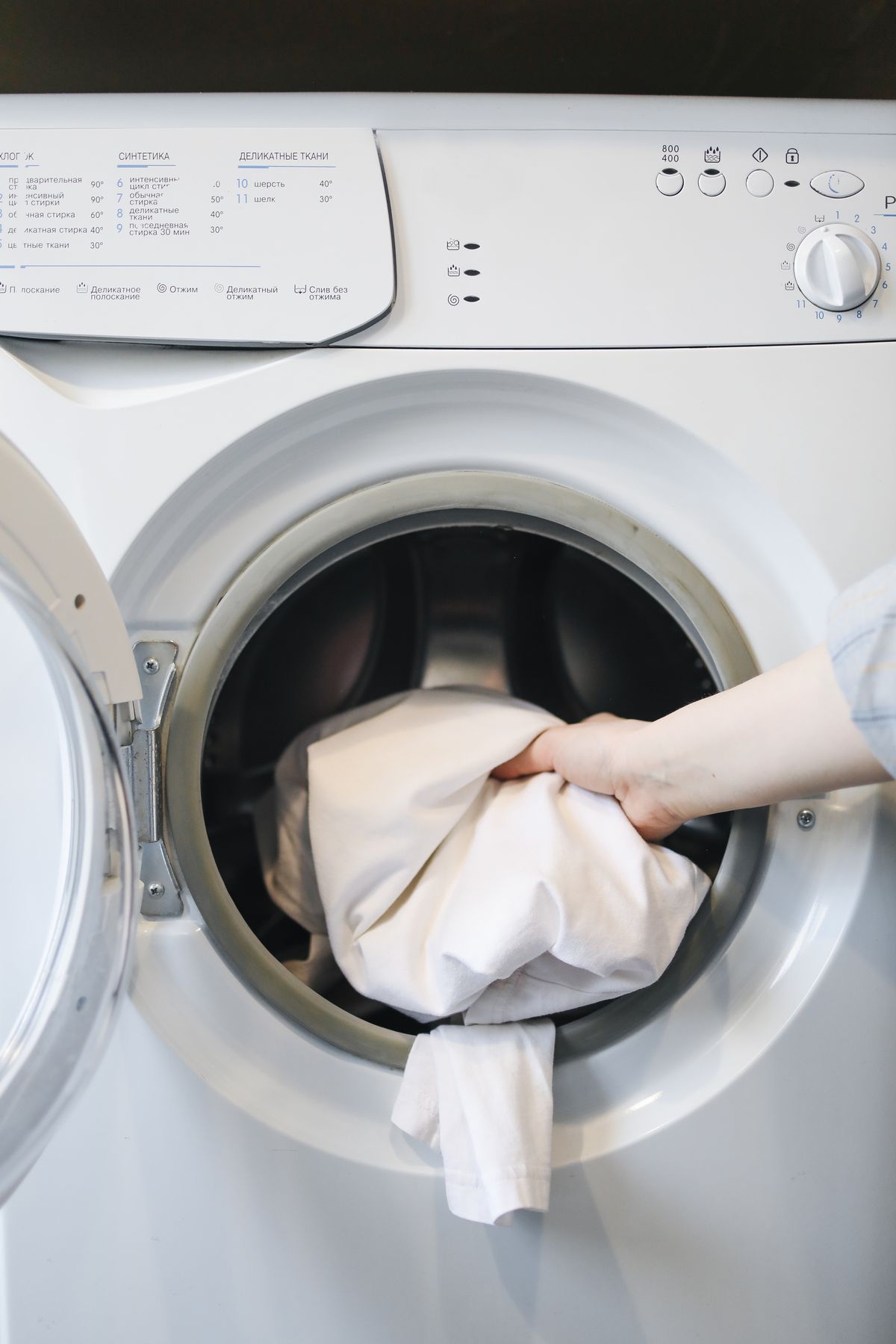
The single best tool for machine washing delicates is a mesh laundry bag. It shields fabric from snagging on zippers, from stretching, and from the twisting force that felts wool. Use one bag per delicate item rather than cramming several together.
Prep each garment before bagging it:
- Zip all zippers and fasten hooks so they cannot catch on other fabric.
- Turn knits and printed items inside out to protect the outer surface.
- Close buttons only if the plackets are loose; forcing tight buttons stresses the fabric.
- Place small or embellished items, like lace underthings, in their own fine-mesh bag.
These few seconds of prep prevent the most common machine-wash disasters: pulled threads, stretched necklines and lost buttons.
It also helps to wash delicates together in one small, dedicated load rather than mixing them with jeans or towels. Heavy items create the friction and weight that damage fragile fabrics, and a lighter load gives everything more room to move gently through the water.
No Mesh Bag on Hand? Improvise
If you do not own a mesh bag yet, a clean pillowcase knotted at the top is a decent stand-in for a single item. It is not as breathable, so the wash may be slightly less thorough, but it still buffers the garment from zippers and hard tumbling. A set of three mesh bags costs only a few dollars and is one of the best small investments for anyone with delicates.
Choose the Right Cycle and Temperature
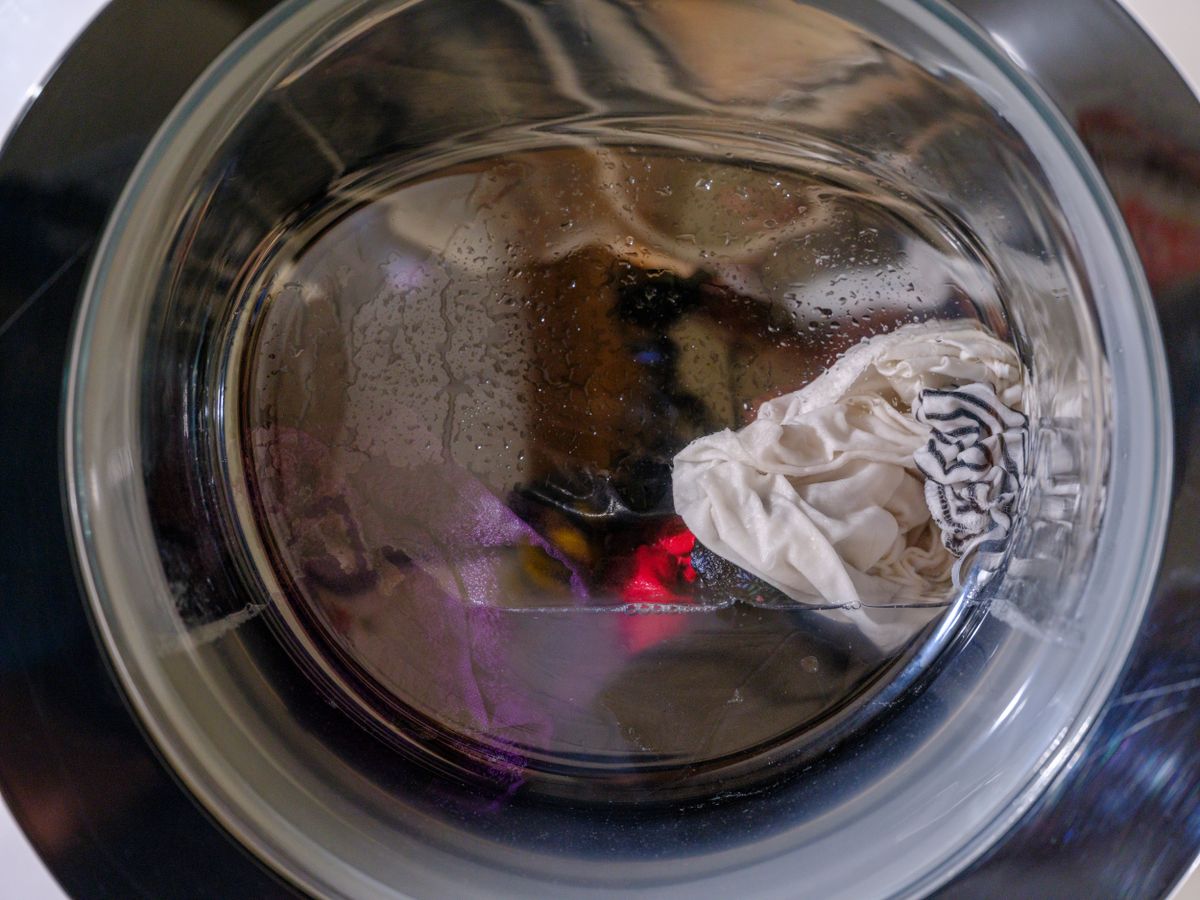
Use the gentlest cycle your machine offers, usually labeled “delicate,” “hand wash” or “wool”. These run with slow agitation and a low spin speed, which is exactly what fragile fibers need.
Keep the water cold, ideally 60 to 80 degrees Fahrenheit. Cold water prevents shrinking, protects dyes and saves energy. Hot water is the number one cause of felted, shrunken wool, so avoid warm and hot settings entirely for these items.
Set the spin to low or, better, the lowest option. A hard spin wrings and stretches delicate fabric; a gentle spin removes enough water without distorting the shape.
If your machine has an “extra rinse” option, use it. Delicate fabrics hold onto soap more stubbornly than sturdy cottons, and a second rinse clears residue that would otherwise leave knits feeling scratchy. On older top-loaders without a true delicate cycle, choose the shortest, coldest, slowest setting available and stop the wash before the final high-speed spin if you can.
Use the Right Detergent, Not Too Much
Reach for a mild detergent made for delicates or wool, not a heavy-duty formula. Regular detergents contain enzymes and brighteners that can be harsh on protein fibers and fine weaves.
Use less than you think, about a teaspoon for a small load. Too much soap is hard to rinse out and leaves residue that makes fabric stiff and dull. Skip fabric softener on wool and technical fabrics, which it can coat and damage.
Add the detergent to the water or the dispenser, never directly onto the fabric. Concentrated soap sitting on one spot can leave a pale mark on darker delicates. If your machine lets you, let it fill and mix the detergent for a moment before the bagged garments go in.
Never pour chlorine bleach on delicates, and never mix chlorine bleach with ammonia or vinegar, since that combination creates dangerous toxic fumes the EPA Safer Choice warns against. For whites that need brightening, a gentle oxygen bleach is the safer choice.
Dry Flat, Never in the Machine
The dryer undoes everything careful washing accomplished. Heat and tumbling shrink and felt exactly the fibers you protected, so air drying is non-negotiable for most hand-wash items.
Lay knits and sweaters flat on a clean towel, gently reshaping them to their original dimensions while damp. Hang sturdier delicates like synthetic blouses on a padded hanger. Keep everything out of direct sun, which fades color.
Resist the urge to hang heavy wet knits, since the weight of the water stretches them into shapeless versions of themselves. A soaked sweater can gain several inches at the shoulders and hem if you drape it over a hanger or line. Flat drying keeps the shape you carefully preserved through the whole wash, which is the entire point of treating these clothes gently in the first place.
Never wring a wet delicate. Instead, press the water out by rolling the item in a towel, then unroll and lay it flat to finish drying.
In a small apartment without much floor space, a mesh sweater-drying rack that clips onto the top of a laundry basket lets air circulate underneath without taking up a whole room. Flip the garment once it is half dry so both sides finish evenly, and expect knits to take a full day to dry completely.
When to Skip the Machine Entirely
Some pieces are simply not worth the risk. Heavily embellished garments, structured items with padding or interfacing, vintage fabrics and anything labeled dry clean only should stay out of the machine no matter how gentle the cycle.
For those, a five-minute soak in a basin of cool water and mild detergent is faster than you expect and far safer. Swish gently, rinse, and roll in a towel.
Bras and swimwear are another category worth washing by hand. The elastic and underwire in bras and the chlorine-exposed fibers in swimsuits break down fast under machine agitation, and hand washing roughly doubles their lifespan. For these, a quick basin wash after each wear keeps them in shape far longer than any gentle cycle would.
Your next step: gather your “hand wash only” items, sort out anything embellished or dry clean only, and run one small delicate load in a mesh bag on cold. Once you see how well it works, hand washing by hand becomes the exception, not the rule.

Felipe Amaral writes about laundry and clothing care for real life — small apartments, busy weeks and clothes you actually want to last. Based in Denver, Colorado, he’s made every laundry mistake in the book so you don’t have to.