
I almost donated a charcoal lambswool sweater last winter because it looked tired, covered in those little fuzzy balls across the chest and under the arms. On a whim I spent ten minutes with a cheap fabric shaver instead, and the sweater came back to life, smooth and dark again like the day I bought it. That is the quiet magic of learning to de-pill sweaters: it makes worn knits look years younger for almost no money.
Pilling is normal, not a sign of a cheap sweater or bad laundry habits. It happens when short fibers work loose and tangle from friction. The good news is that learning to de-pill sweaters and prevent new pills is simple once you know the right tools and a few gentle techniques.
Why Sweaters Pill in the First Place
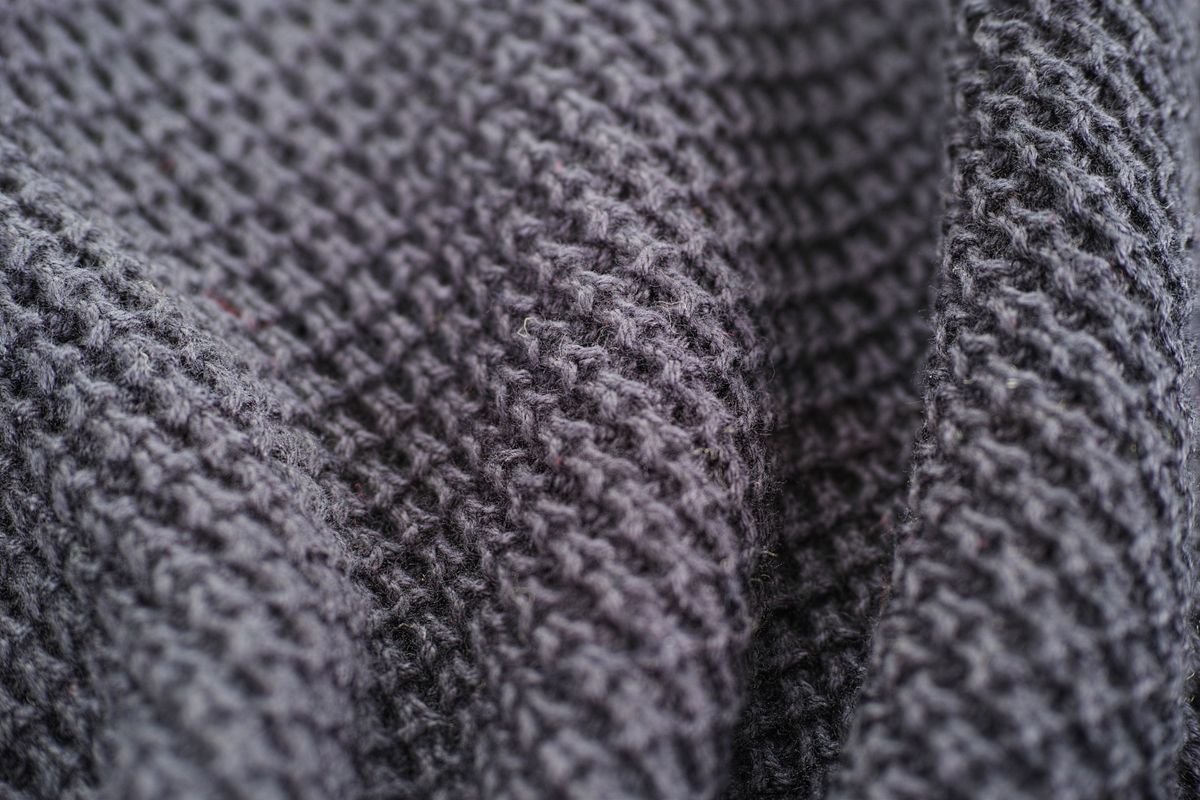
Pills form where fabric rubs against itself or other surfaces: cuffs, underarms, the sides where a bag strap sits. The friction pulls loose fiber ends to the surface, where they tangle into tiny balls.
Softer, shorter fibers pill more easily, which is why merino, cashmere and wool blends show it faster than tightly spun, long-fiber yarns. The tighter and longer the yarn, the more the fibers stay locked in place and resist working loose. It is a sign the fabric is soft, not that it is failing.
Synthetic blends behave a little differently. Acrylic and polyester pills tend to cling stubbornly because the plastic fibers are strong and do not break off the way wool does. Those knits often need a proper shaver rather than a comb, and they benefit most from friction-reducing habits since their pills are the hardest to remove once formed.
Once you understand that pilling is about friction, the way to de-pill sweaters and prevent them becomes obvious: remove the tangled balls, then reduce the rubbing that creates them.
It is worth knowing that pilling and shedding are different problems. Shedding, where loose fibers come off entirely, is common in brand-new wool and usually stops after a few wears. Pilling is those fibers staying attached and tangling into balls, which is exactly the issue you solve when you de-pill sweaters.
The Best Tools for De-Pilling
You have a few good options, from a few dollars to about twenty. Each has a best use, and having the right one makes the job faster and safer.
- Battery or electric fabric shaver ($10 to $20): fastest and safest for large areas, with a guard that protects the knit.
- Sweater comb or pumice-style stone ($5 to $10): great for delicate cashmere and detail work, controlled but slower.
- Disposable razor (free-ish): works in a pinch but risky, since it can cut the yarn if you press too hard.
- Sweater stone or reusable fabric brush: gentle for regular upkeep between deeper sessions.
For most people who want to de-pill sweaters, an inexpensive electric fabric shaver is the single best purchase. It pays for itself the first time it rescues a sweater you would have replaced.
Look for a shaver with an adjustable height guard if you own knits of different weights. A chunky cable-knit needs a taller setting than a fine merino tee, and matching the guard to the fabric keeps you from cutting too close. Rechargeable models save you from constantly buying batteries if you plan to de-pill regularly.
Why Avoid the Razor When You Can
A disposable razor is tempting because you already own one, but it is the riskiest choice on this list. It has no depth guard, so a moment of too much pressure slices right through the yarn and leaves a hole or a run. If a razor is truly all you have, drag it with almost no downward force and stop the instant you feel resistance. A ten-dollar fabric shaver removes that gamble entirely.
How to De-Pill Sweaters Step by Step
Lay the sweater flat on a hard, smooth surface like a table, not on your lap. A firm, flat base keeps the fabric from bunching, which is when snags and holes happen.
Smooth the fabric taut with one hand. Work in small sections, moving the shaver in gentle, circular motions with light pressure. Let the tool do the work rather than pushing it into the knit.
Empty the shaver’s lint catcher often so it keeps cutting cleanly. Go slowly around seams, ribbing and buttons, where fabric is thicker and easier to catch. Check your progress frequently against the light.
Do not try to clear every pill in one aggressive pass. Two or three light passes remove more without stressing the fabric than a single heavy one. When the surface looks smooth, run your palm over it; any remaining rough patches are easy to spot by feel and touch up.
Extra Care for Delicate Knits
When you de-pill sweaters made of cashmere and fine merino, they deserve a lighter touch. Skip the razor entirely and reach for a sweater comb or a dedicated cashmere stone, which lift pills without stressing the delicate yarn.
Work with the grain of the knit, pulling gently in one direction rather than scrubbing back and forth. Patience here protects fibers that are expensive and hard to replace.
A slightly damp knit can be easier to de-pill by comb, since the fibers lie flatter and the pills stand out more clearly. If you try this, let the sweater dry flat afterward and never comb hard on wet wool, which is at its most fragile when saturated.
For loosely knit or hand-knit pieces, test a hidden area first. Very open knits can snag easily, so sometimes hand-picking the worst pills is safer than any tool.
When you do pick by hand, pinch each pill and snip it free with small scissors rather than yanking, which can pull a whole strand loose. It is tedious for a large area but perfect for a beloved cashmere scarf where every fiber counts.
Prevent Pills From Coming Back
Prevention is mostly about reducing friction. Turn sweaters inside out before washing so the outer surface is protected, following wool care basics, and wash them on a gentle or hand-wash cycle in cool water.
Wash knits inside a mesh bag, and avoid crowding them with rough items like jeans or towels. The less a sweater rubs against zippers and denim, the fewer pills form. Backpack and shoulder-bag straps are a common hidden culprit, so switch shoulders now and then or add a scarf as a buffer on your knit. Never use chlorine bleach on wool, and never mix chlorine bleach with ammonia or vinegar, since that creates toxic fumes the EPA Safer Choice warns about.
Let sweaters rest between wears. Giving the fibers a day or two to recover reduces the constant friction that causes pilling, and rotating your knits makes each one last longer.
Dry knits flat rather than tumbling them, since a hot dryer both shrinks wool and speeds up pilling through all that tumbling friction. If you must use a machine, choose the no-heat air-fluff setting and a short cycle. Storing sweaters folded rather than hung also helps, because hanging stretches the shoulders and the constant shift of the fabric over a hanger edge encourages fresh pills.
When a Sweater Is Beyond De-Pilling
Sometimes pilling is a symptom of a knit that is genuinely worn through. If the fabric has gone thin and see-through in the pilled areas, shaving will only weaken it further.
In that case, retire the sweater to loungewear or repurpose it. But most knits that merely look shabby have plenty of life left once the pills are gone.
Worn-through knits still have uses beyond the closet. Felt them intentionally in a hot wash and cut them into coasters, pot holders or drawer sachets, or save the yarn from a hand-knit to repair another piece. A sweater that has truly reached the end can become useful material rather than landfill, which softens the sting of letting a favorite go.
Your next step: decide to de-pill sweaters you have been avoiding, starting with the one because it looks worn, lay it flat, and give it ten minutes with a fabric shaver. Once you de-pill sweaters this way, you will likely rediscover a favorite you were about to give up on.

Felipe Amaral writes about laundry and clothing care for real life — small apartments, busy weeks and clothes you actually want to last. Based in Denver, Colorado, he’s made every laundry mistake in the book so you don’t have to.