
There’s a specific disappointment in pulling a favorite t-shirt out of the dryer and finding it a size smaller and stiff as cardboard. Most of us dry everything the same way out of habit, then wonder why some clothes wear out so fast.
The truth is that air drying vs machine drying isn’t a single winner-take-all choice. Each method has fabrics it protects and fabrics it quietly ruins, and knowing which is which will make your clothes last longer while saving you money on every load.
Air drying vs machine drying: the quick trade-off
Machine drying wins on speed and softness. In 45 minutes you get warm, fluffy laundry with no wrinkles and no space taken up in your home. The cost is heat, which breaks down fibers, fades colors, shrinks natural materials, and slowly destroys elastic.
Air drying wins on gentleness and cost. It uses no electricity, causes almost no shrinking, and keeps clothes looking new for years. The trade-offs are time, the space a rack takes up, and the occasional crunchy towel.
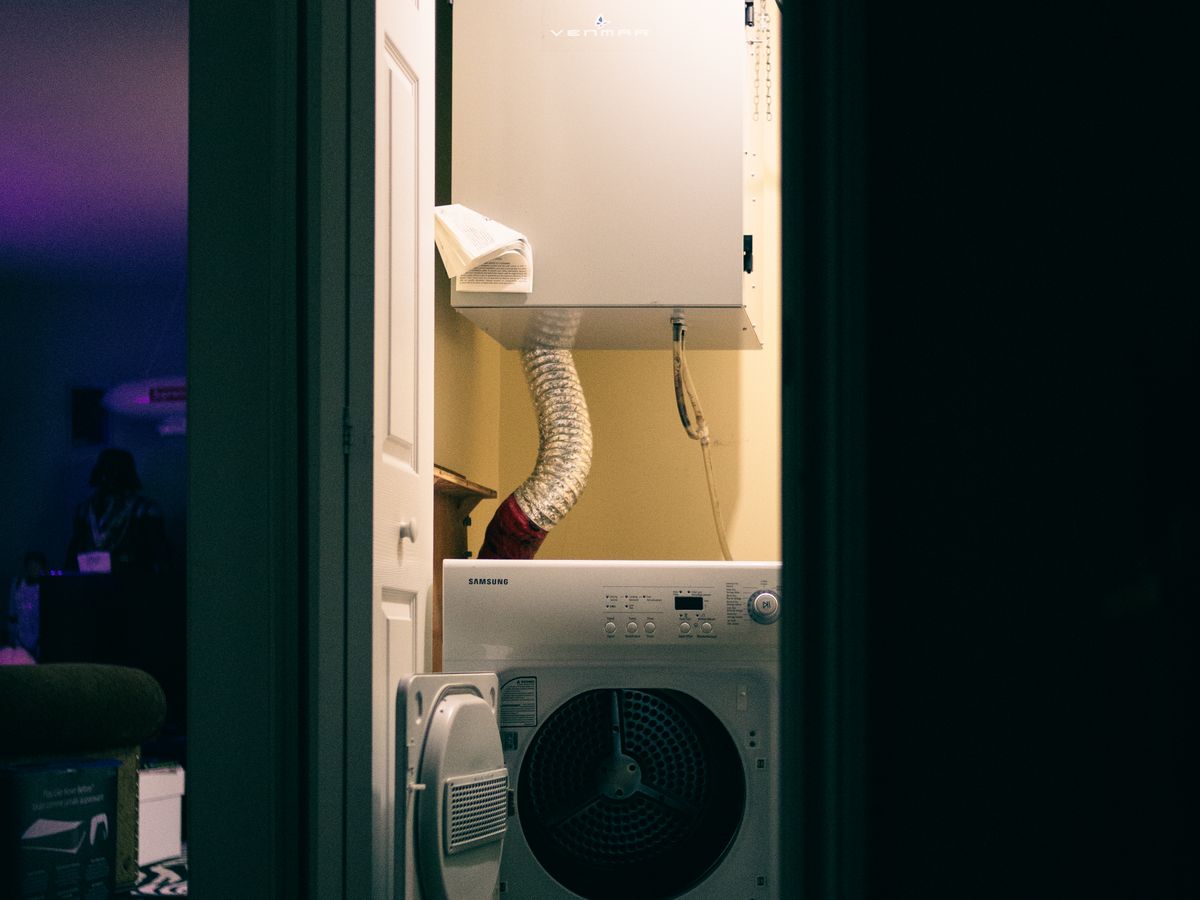
When machine drying is the better choice
Some items are simply built for the dryer, and using it saves you time without much downside. Towels, sheets, cotton underwear, and socks all handle tumble heat well and actually feel better fluffed.
For these, use the right heat setting instead of blasting everything on high. A medium or “normal” cycle at roughly 130 to 140°F dries most cottons safely, while a lower “delicate” setting protects lighter items.
A few clear dryer-friendly categories:
- Towels and washcloths: tumble dry medium for softness and absorbency.
- Bed sheets and pillowcases: dry on medium, remove slightly warm to avoid wrinkles.
- Cotton socks and underwear: low to medium heat is plenty.
- Denim you want to shrink back: a short hot cycle can restore a stretched-out fit.
If you rely on a shared machine, drying these sturdy items together makes each wash-and-dry trip more efficient and frees your rack for the delicate pieces.
When air drying protects your clothes
Anything with stretch, structure, or rich color does better on a line or rack. Heat is what kills these fabrics, so removing it from the equation is the single best thing you can do for them.
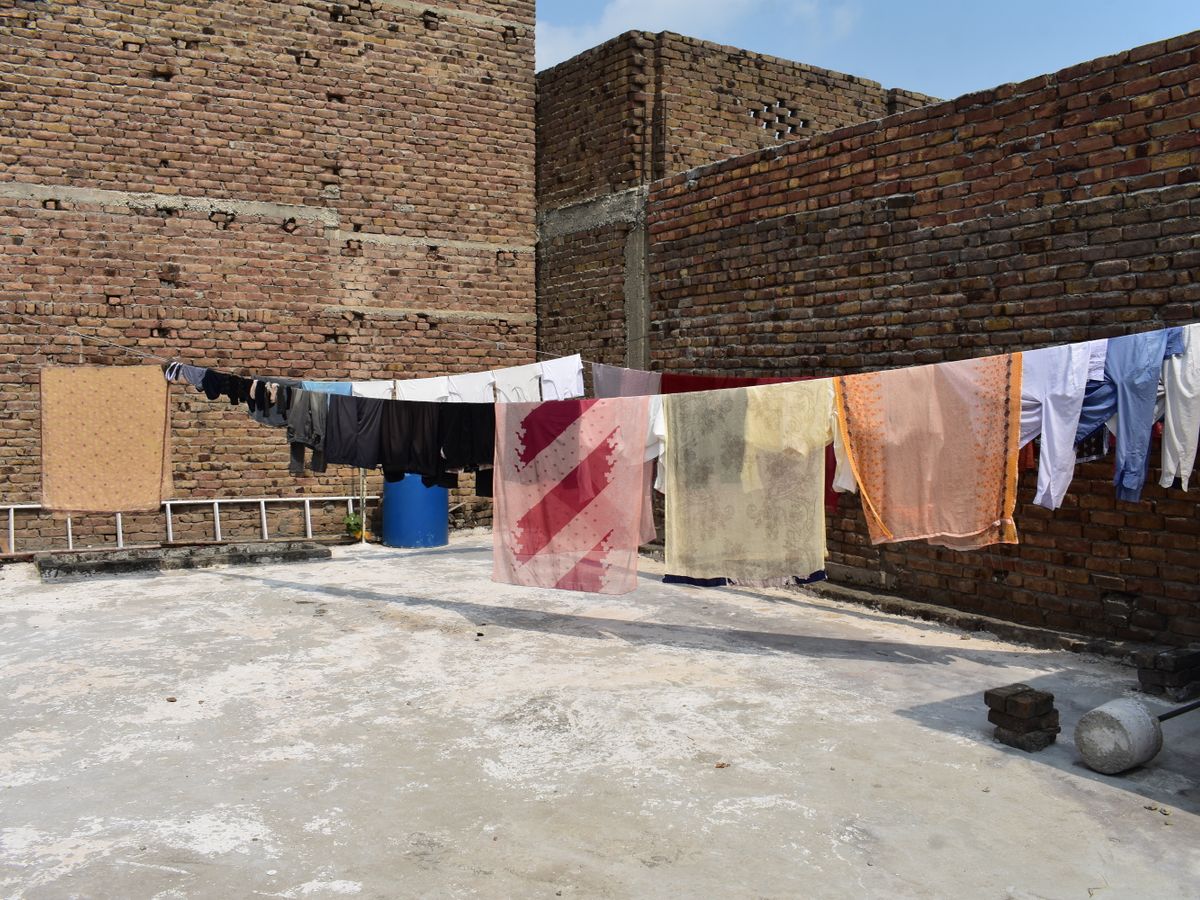
Activewear and anything with spandex should always air dry, since dryer heat degrades elastic and shortens the life of leggings and sports bras. Bright colors and dark denim also fade far more slowly off the heat.
Hang shirts and dresses on hangers to dry, which doubles as wrinkle prevention. Lay heavy or stretchy items flat so gravity doesn’t pull them out of shape while they dry.
Fixing the crunchy-towel problem
Air-dried cottons can feel stiff because there’s no tumbling to soften the fibers. A splash of white vinegar in the rinse (never mixed with bleach) softens them naturally, and a quick five-minute tumble on low afterward fluffs them right up.
Fabric-by-fabric drying guide
Matching the method to the material is where the real savings happen. Here is how the most common fabrics break down.
Cotton tolerates the dryer but shrinks on high heat, so use medium or air dry to keep the fit. Wool and cashmere should always dry flat, never in a machine, or they will felt and shrink permanently.
Synthetics like polyester dry fast either way but hold odors, so air drying with good airflow helps. Silk and other delicates air dry away from direct sun, and linen looks best line-dried and slightly damp before ironing.
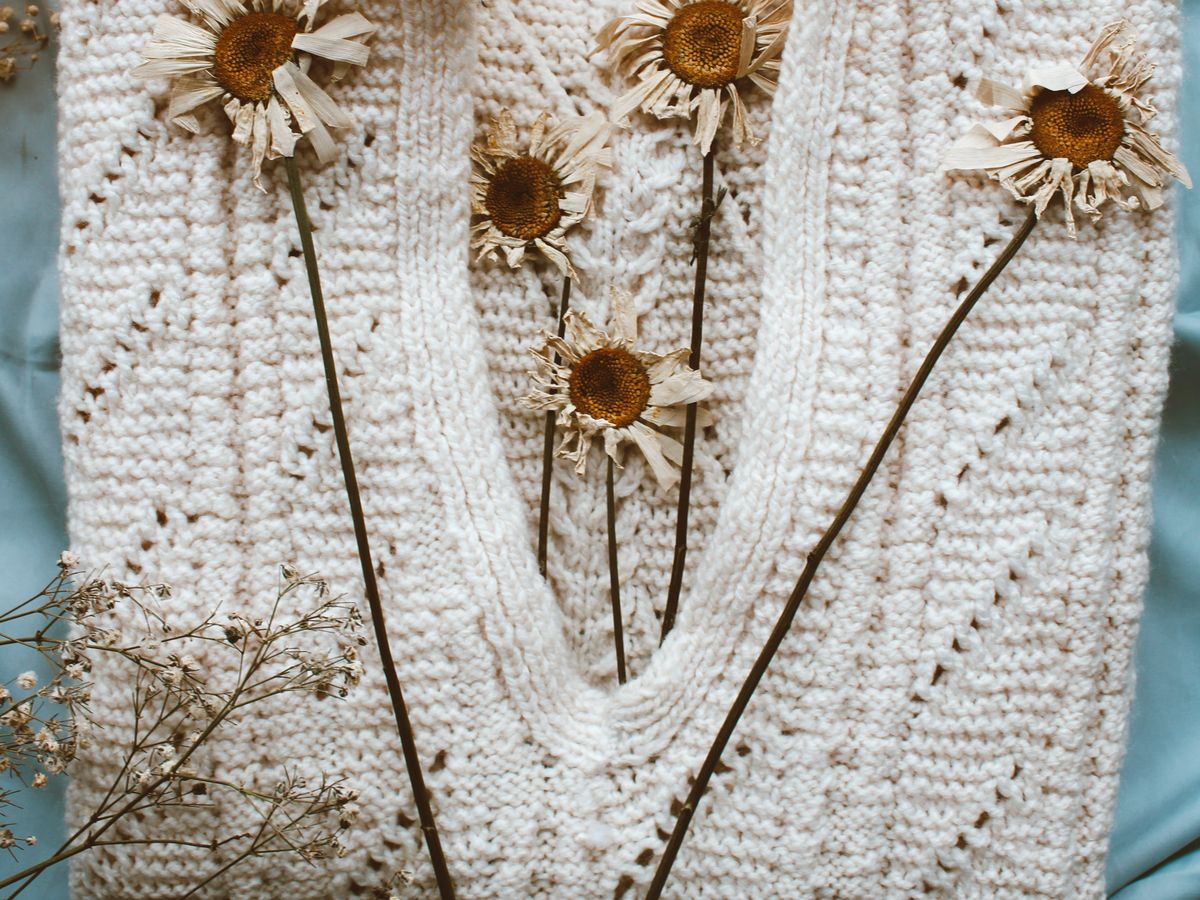
Knitwear deserves special mention. Laying a sweater flat on a towel keeps its shape, and it’s the same care mindset that helps when you store sweaters so they keep their shape for the next season.
The cost and energy angle
Dryers are one of the biggest energy users in a home. Cutting even half your dryer loads noticeably lowers your electric bill, and the ENERGY STAR program notes that drying habits have a real impact on household energy use.
Air drying part of every load is a simple compromise: tumble the towels and sheets, hang the shirts and activewear. You get speed where it doesn’t hurt and gentleness where it counts.
Small-space and renter solutions
No backyard and no in-unit dryer is the norm for a lot of apartments, but air drying still works beautifully indoors. A folding rack, an over-the-door hook, or a retractable line over the tub covers most loads.
Good airflow is the key to avoiding that damp smell, so crack a window or run a fan near the rack. If mustiness is a recurring problem, our guide on how to dry clothes indoors without the musty smell walks through the fixes step by step.
What about dryer balls and dryer sheets?
If you do use the machine, a few small tools make it gentler. Wool dryer balls bounce between clothes to separate them, cutting drying time and softening fabric naturally without the coating that dryer sheets leave behind.
That coating is worth knowing about, because it can reduce the absorbency of towels and clog the moisture sensors in activewear. Wool balls are reusable for years and a one-time purchase of around $10 to $15, making them the cheaper choice over time.
Whichever you choose, always clean the lint trap after every load. A clogged trap makes the dryer work harder, wastes energy, and is one of the most common household fire risks, so it is a two-second habit worth building.
How to speed up air drying
The biggest complaint about air drying is that it feels slow, but a few habits cut the time dramatically. An extra spin cycle in the washer pulls out more water before clothes ever reach the rack, which can shave hours off drying time.
Spacing matters too. Crowded clothes trap moisture and dry unevenly, so give each item a few inches of breathing room. Positioning a rack near a sunny window or in the path of a fan speeds evaporation without adding a cent to your energy bill.
For thick items like jeans and hoodies, hang them by the waistband or turn them inside out so the heavier seams and pockets get airflow. Rotating clothes halfway through helps the damp inner layers finish faster.
Common drying mistakes that ruin clothes
Even people who sort carefully at the washer often undo their work at the dryer. The most common mistake is over-drying, which bakes in wrinkles, builds static, and wears fibers down faster than the wash itself.
Pull clothes out while they are still very slightly damp and let them finish on a hanger. Your clothes will last longer, need less ironing, and hold their color better.
Watch out for hidden heat damage
Some damage is invisible until it adds up. Repeatedly drying elastic waistbands, swimwear, and printed graphics on high heat causes cracking, stretching, and peeling over time, even if a single cycle looks fine.
When in doubt, check the care label and default to lower heat or air drying. It only takes one hot cycle to shrink a wool blend or warp a structured garment beyond saving.
Building a drying routine that fits your life
The goal is a system you will actually follow, not a perfect one you abandon after a week. Most people do best with a hybrid: a dryer for the fast, sturdy loads and a permanent rack for the pieces they care about.
Set your rack up somewhere it can stay, so air drying is a two-second decision instead of a chore. When drying the good stuff becomes automatic, your whole wardrobe quietly starts lasting longer.
Conclusion: mix both methods on purpose
You don’t have to pick a side in the air drying vs machine drying debate. The smartest routine uses the dryer for the sturdy, fast-drying items and a rack for everything with color, stretch, or structure.
Your next step: on your next load, pull out the activewear and dark shirts to air dry, and tumble only the towels and sheets. You’ll feel the difference in your clothes, and eventually in your energy bill.

Felipe Amaral writes about laundry and clothing care for real life — small apartments, busy weeks and clothes you actually want to last. Based in Denver, Colorado, he’s made every laundry mistake in the book so you don’t have to.