
The first time I lived in a 500-square-foot studio, the closest laundromat was six blocks away, and I quickly learned to dread the walk in January with a duffel bag of wet towels slung over my shoulder. A friend mentioned she kept a portable washing machine tucked beside her kitchen sink, and I remember being skeptical that something the size of a mini-fridge could actually get clothes clean.
After years of testing these compact machines in apartments where a full-size washer was never an option, I have a clear answer to the question everyone asks: portable washing machines are absolutely worth it for the right small apartment, but only if you understand their limits before you buy.
What a Portable Washing Machine Actually Is
A portable washing machine is a compact, freestanding unit that rolls out when you need it and tucks away when you do not. Most models weigh between 25 and 60 pounds and connect to a kitchen or bathroom faucet with a quick-release adapter, draining into the sink through a hose.
There are two broad categories worth knowing. Single-tub and twin-tub models are the most affordable, often running $80 to $200, and require you to move clothes manually between washing and spinning. Fully automatic portable washers cost more, usually $250 to $450, and handle the full cycle on their own, much like a small version of a standard machine.
Who Portable Washing Machines Are Right For
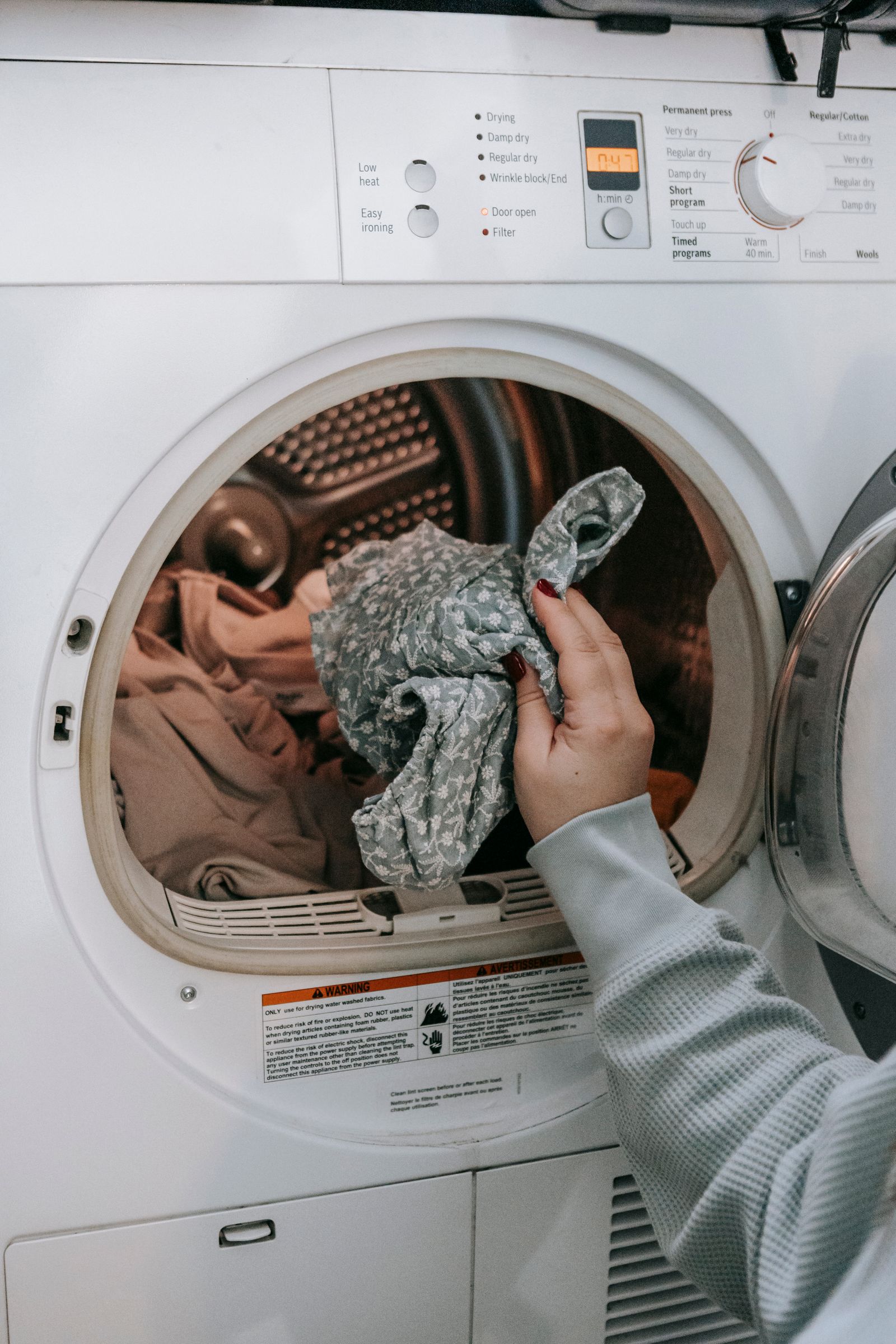
These machines shine in specific living situations. If you rent and cannot install permanent plumbing, portable washing machines give you laundry at home without violating your lease. They also make sense in dorms, RVs, tiny homes, and older buildings where a hookup simply does not exist.
The math tends to favor renters who do a lot of small loads. If you are spending $15 to $25 a week at the laundromat, a $200 machine pays for itself in a few months, and you skip the hauling entirely.
When You Should Skip One
Portable washers are not for everyone. Large families, households that wash bulky bedding weekly, or anyone with room for a full-size compact unit will find portables frustrating. Their small drums typically hold 6 to 10 pounds of laundry, which is roughly one outfit-and-towels load, not a week of clothes for four people.
Portable Washing Machines: The Real Pros and Cons
After living with several of these machines, here is my honest breakdown of what you gain and what you give up:
- Space-saving: Most units are under 20 inches wide and roll into a closet or corner when idle.
- Low water and energy use: A single-tub load often uses a fraction of what a full machine draws, which trims utility bills.
- No installation: No permanent plumbing, no landlord permission, no drilling.
- Smaller capacity: Expect to run two or three loads where a full washer would do one.
- More hands-on: Twin-tub models require you to transfer clothes between wash and spin tubs.
- Louder spin: The high-speed spin cycle can walk across a smooth floor if not on a mat.
How to Get Great Results in a Tight Space
The secret to loving portable washing machines is dialing in your routine. Sort loads by fabric weight rather than color alone, because a compact drum cannot handle a heavy pair of jeans mixed with light shirts and still rinse evenly. Wash in warm or cold water for most everyday items, and reserve hot water only for whites and bedding that can take it.
Use less detergent than you think you need. Because these drums are small, a full tablespoon of standard detergent will over-suds and leave residue. About a teaspoon of liquid detergent per load is plenty. If you want to fine-tune your amounts across all your laundry, our guide on how much detergent you actually need breaks down the ratios by load size.
Managing the Spin and Dry
Twin-tub models spin fast but briefly, so clothes come out damp rather than dry. Plan for air drying on a rack or a quick run through a dryer if you have access. Because portable washing machines spin briefly, a collapsible drying rack setup for small apartments pairs perfectly with a portable washer and keeps the whole system compact.
Setup and Storage Tips for Small Apartments
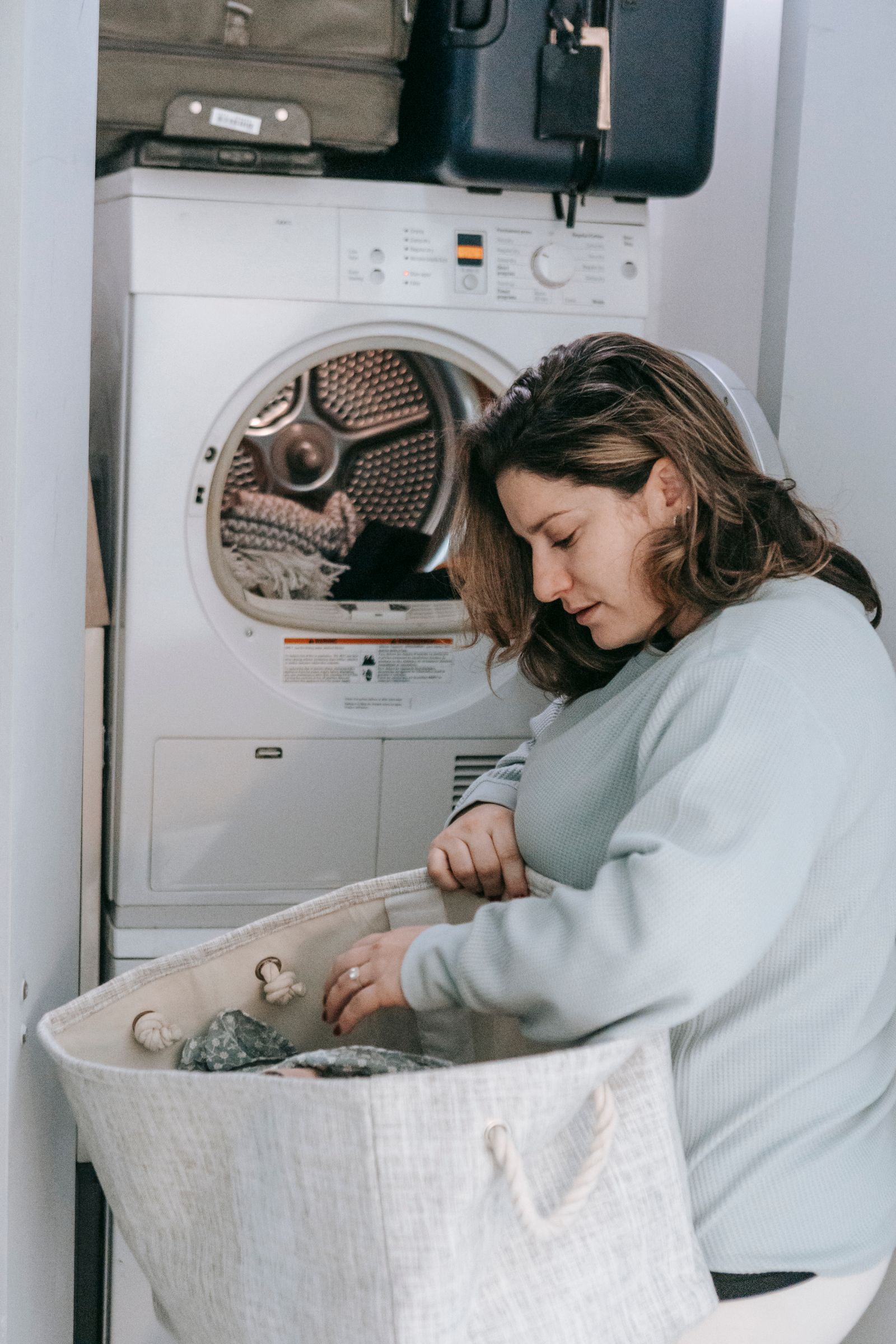
Position matters more than you would expect. Place the machine on a level surface near your sink, and put a rubber mat or towel underneath to dampen vibration and catch drips. Keep the faucet adapter and hoses in a labeled bag so setup takes under two minutes each time.
When the wash is done, disconnect the hoses, wipe the drum dry, and leave the lid open for an hour to prevent mildew. Rolling the unit into a closet or beside the fridge keeps your floor clear. If storage is your real bottleneck, our tips on how to organize laundry supplies in a small space will help you carve out a tidy laundry corner.
Safety and Maintenance Basics
Portable washers are simple, but a few habits keep them running for years. Never overload the drum, since a jammed motor is the most common failure point. Run an empty rinse cycle with a cup of white vinegar once a month to keep the tub fresh, and never mix that vinegar with any bleach-based cleaner, as combining them creates hazardous fumes.
Check the drain hose regularly for kinks, and empty the lint trap if your model has one. For a deeper look at compact options and how portables compare to stacked units, see our small-space washer guide and the setup ideas in our small-apartment laundry corner walkthrough.
So, Are They Worth It?
For a renter or small-space dweller who does modest loads and wants to skip the laundromat, a portable washing machine is one of the best quality-of-life upgrades you can make for under $300. For large households or anyone with room for a full compact unit, the constant reloading will wear thin fast.
My advice: measure your space, count your weekly loads, and be honest about your patience for hands-on laundry. If the numbers line up, buy a well-reviewed automatic model, add a good drying rack, and enjoy never carrying a wet duffel bag through the snow again. According to the EPA’s WaterSense laundry guidance, choosing right-sized, water-efficient equipment is one of the simplest ways to cut household water use.
Choosing the Right Portable Washer for Your Needs
Not all portable washers are built the same, and the right pick depends on how you live. Before you buy, weigh a few practical factors so you do not end up returning a machine that never fit your routine in the first place.
Capacity is the single most important number. A drum rated for 6 pounds handles a few shirts and underwear, while a 10-to-11-pound model can manage a small sheet set or a light jacket. Match the capacity to your typical load, then round up slightly, because a slightly larger drum washes small loads just fine but a small drum cannot stretch to fit big ones.
Automatic Versus Twin-Tub
Fully automatic units are the closest thing to a real washer in miniature. You add clothes and detergent, choose a cycle, and walk away. They cost more and are heavier, but they are the better choice if convenience is your priority and you have a spot to park the machine semi-permanently.
Twin-tub models are cheaper, lighter, and faster for a single load, but they demand your attention. You wash in one tub, lift the clothes into the spin tub, and repeat. For a single person who does small, frequent loads, this hands-on rhythm can actually be quicker than waiting for a full automatic cycle.
Common Mistakes First-Time Buyers Make
Most disappointment with portable washers comes from a handful of avoidable errors. Learn from the ones I made so your first month goes smoothly.
- Overfilling the drum: Cramming in a full week of laundry stops the clothes from tumbling and leaves them poorly rinsed.
- Using regular detergent amounts: Small drums need a fraction of the standard dose, or you fight suds all cycle.
- Skipping the vibration mat: Without a mat, the spin cycle can rattle loudly and inch the machine across the floor.
- Leaving the lid closed after use: Trapped moisture breeds mildew and a musty smell within days.
Get these four things right and a portable washer becomes an almost invisible part of your week rather than a chore you resent. The learning curve is short, and once your routine clicks, the freedom of doing laundry on your own schedule is genuinely hard to give up.

Felipe Amaral writes about laundry and clothing care for real life — small apartments, busy weeks and clothes you actually want to last. Based in Denver, Colorado, he’s made every laundry mistake in the book so you don’t have to.