
You are halfway through a plate of pizza when a warm drop of oil lands squarely on your favorite shirt. You dab at it with a napkin, tell yourself you will deal with it later, and by the time you do, the spot has sunk in and turned into a shadowy patch that will not budge.
Grease and oil stains are some of the most frustrating marks to remove because water alone simply slides right off them. The good news is that with the right approach and a few things you already own, most grease and oil stains come out completely, even ones you thought were permanent.
Why grease and oil stains are so stubborn
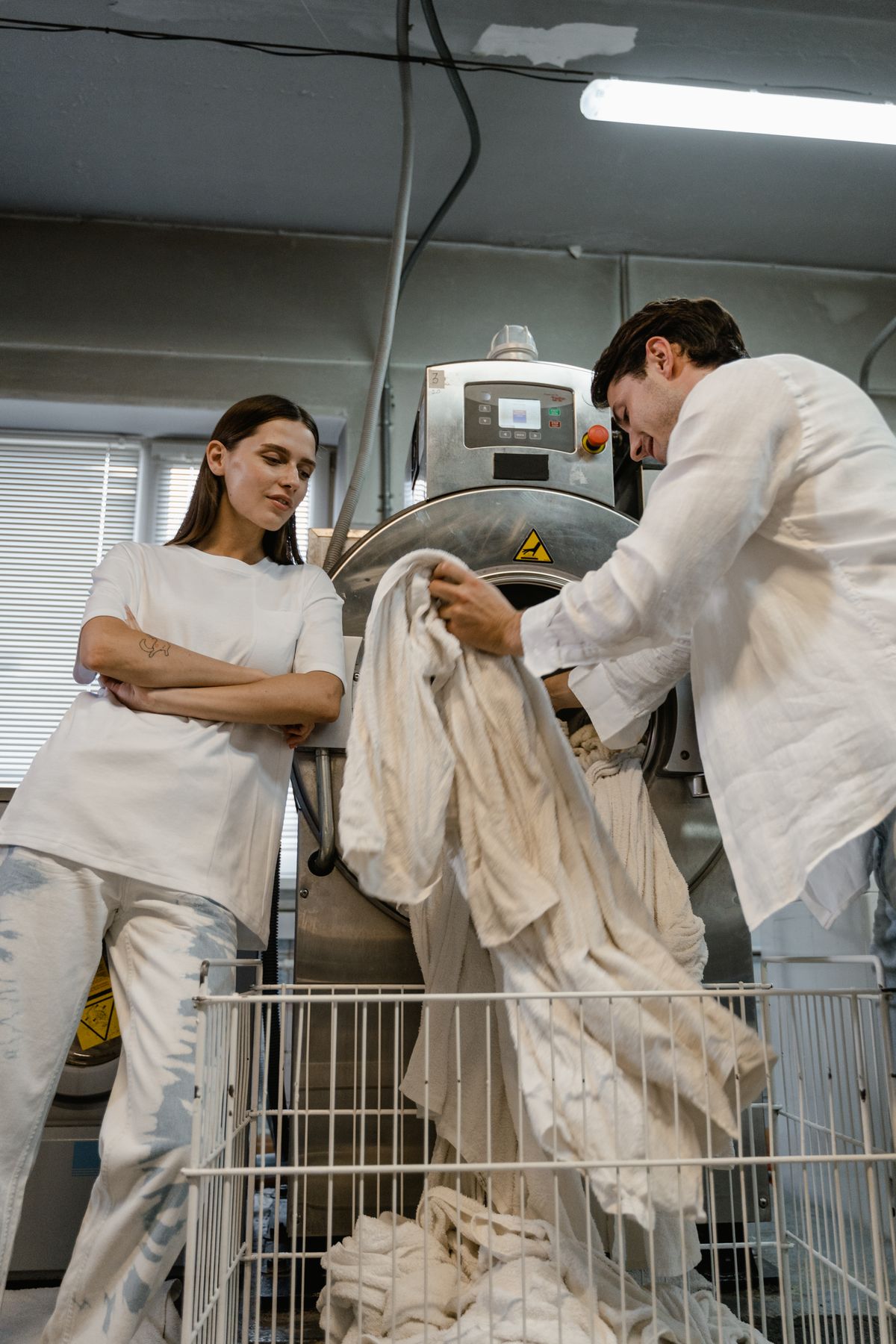
Oil and water do not mix, which is the whole problem in a nutshell. When you toss a greasy garment straight into a normal wash, the water beads off the oil instead of lifting it away, so the stain stays locked in the fibers.
Heat makes it worse. A hot wash or a tumble in the dryer can bake grease and oil stains into the fabric permanently, which is why acting before you launder is so important.
To beat grease, you need something that breaks down oil, called a surfactant or degreaser, rather than plain water. Once you understand that, treating grease and oil stains becomes far less mysterious. If you want the bigger picture on treating marks of every kind, my ultimate stain removal chart is a handy companion.
Act fast: the first five minutes
The sooner you treat grease and oil stains, the better your odds. A fresh spot is sitting on the surface; a day-old one has settled deep into the weave.
Start by blotting, never rubbing, with a clean paper towel to lift any excess oil. Rubbing only pushes the grease deeper and spreads it wider.
- Blot the excess oil gently from the outside of the stain inward.
- Sprinkle a dry absorber over the spot and let it sit.
- Brush the powder away, then apply a degreaser.
- Wait, then launder in the warmest water the fabric allows.
Whatever you do, do not put the garment in the dryer until the stain is fully gone, since the heat will set it for good. Air drying between treatments is your friend here, because it lets you keep working on the mark without any risk of baking it in.
The dish soap method (your best first move)
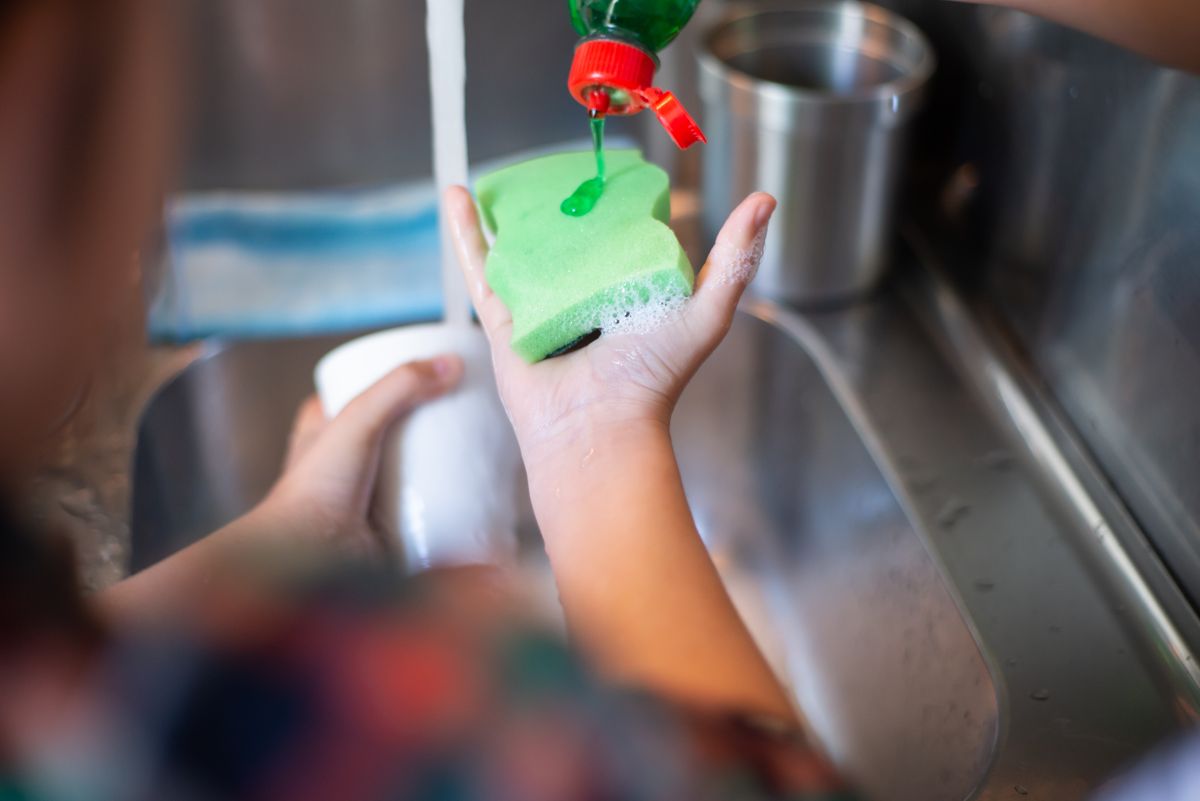
Dish soap is engineered to cut grease off pans, which makes it the perfect weapon against grease and oil stains on clothes. A plain, uncolored liquid dish soap works best.
Apply a few drops directly onto the stain and gently work it in with your fingers or a soft toothbrush. Let it sit for 10 to 15 minutes so it can break down the oil, then rinse with warm water.
For older or set-in grease and oil stains, repeat the process two or three times before washing. Patience here beats scrubbing hard, which can damage the fibers. Give the soap real time to do its job, and you will be surprised how much lifts out on the first rinse.
Powders that pull out oil
When a stain is fresh and still wet, a dry powder can absorb much of the oil before it sets. This step alone often makes the difference between an easy fix and a stubborn mark.
Cornstarch, baking soda, or even plain talcum powder all work. Cover the grease and oil stains generously, wait at least 15 minutes (or overnight for heavy stains), then brush the powder off and follow with the dish soap method.
These pantry powders cost just a dollar or two and are gentle on almost every fabric, which makes them a great renter-friendly staple to keep by the laundry area.
Washing and checking before you dry
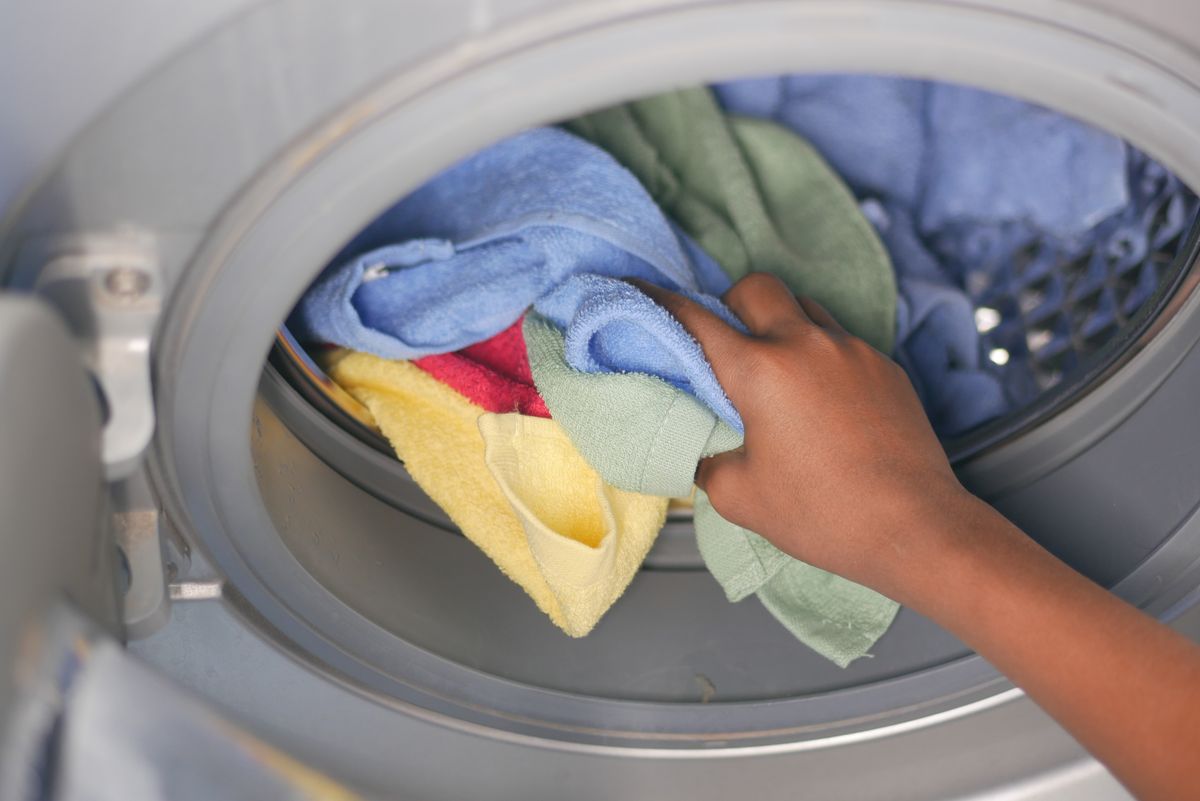
After pre-treating, wash the item in the hottest water the care label allows, since heat helps dissolve loosened oil once a degreaser has done its job. Adding a scoop of oxygen-based booster gives extra lifting power on tough grease and oil stains.
Before the garment goes anywhere near the dryer, check the stain in good light. If any shadow remains, treat and wash again, because the dryer’s heat will seal it in.
Getting your wash temperature right matters for stain work in general, a topic I break down in picking the right water temperature for every load. For authoritative treatment charts, the EPA Safer Choice cleaning products guide is a trusted reference.
Rescuing set-in and dried grease stains
Already ran it through the dryer? Do not give up yet. Many set-in grease and oil stains can still be coaxed out with a more aggressive round of treatment.
Saturate the old stain with dish soap, work it in, and let it sit for a full hour. For very stubborn marks, a small amount of an enzyme-based stain remover can help break down what is left before another warm wash.
One safety note: if you ever use a chlorine bleach product on white fabric, never mix it with ammonia or vinegar, because that combination creates toxic fumes. Use bleach on its own, well diluted, and only when the care label allows it.
Special fabrics and delicate care
Delicate fabrics like silk and wool need a gentler touch. Skip aggressive scrubbing and hot water, and test any product on a hidden seam first. A drop of dish soap diluted in cool water, dabbed on lightly, is usually safe enough for these fragile pieces.
For dry-clean-only items, blot the excess oil, avoid adding water, and take the piece to a professional soon while noting where the grease and oil stains are. The faster a pro sees it, the better the result. Point out the exact spots and mention that they are oil-based, so the cleaner can choose the right solvent from the start.
Common mistakes that set the stain forever
Half of removing grease and oil stains successfully is avoiding the moves that lock them in. A few well-meaning reactions actually make things far worse.
The biggest one is heat, whether from hot water used too early, an iron, or the dryer. Another is scrubbing aggressively, which frays fibers and drives oil deeper into the weave. People also reach for the wrong product, using bar soap or plain water that cannot break down oil at all. Finally, ignoring the stain for days lets the oil oxidize and darken, turning an easy fix into a stubborn shadow.
Slow down, treat the spot before any heat touches it, and let your degreaser do the work instead of your muscles. That single habit rescues more clothes than any miracle product ever will.
Building a simple grease-stain kit
You do not need a cabinet full of specialty sprays to handle grease and oil stains. A small, cheap kit kept near your laundry area covers almost every situation.
Stock a bottle of plain liquid dish soap, a box of cornstarch or baking soda, a soft old toothbrush, and a tub of oxygen booster. Total cost is usually under 15 dollars, and it fits in a single shoebox, which is ideal for a small apartment or a shared laundry room. Keeping these ready means you can treat a fresh spot in seconds instead of hunting for supplies while the oil sinks in. That kind of small-space, low-cost preparedness is the same thinking behind my complete beginner’s guide to doing laundry right.
Your next step
Keep a small bottle of plain dish soap and a box of cornstarch near your laundry spot so you are ready the next time oil strikes. The moment a drop lands, blot, treat, and wait to dry, and you will save far more clothes than you lose. With this routine, grease and oil stains stop being a wardrobe death sentence.

Felipe Amaral writes about laundry and clothing care for real life — small apartments, busy weeks and clothes you actually want to last. Based in Denver, Colorado, he’s made every laundry mistake in the book so you don’t have to.