
I stood in a department store last month watching a shopper hold a garment steamer in one hand and a travel iron in the other, clearly stuck on which to buy. I have owned both for years, and the honest answer to which one you need depends entirely on what you wear and how much patience you have on a busy morning.
The steamer versus iron debate does not have a single winner. Each tool excels at very different jobs, and choosing the wrong one leads to either scorched shirts or clothes that never look quite crisp enough. Here is how to decide which belongs in your closet.
Steamer vs Iron: The Core Difference
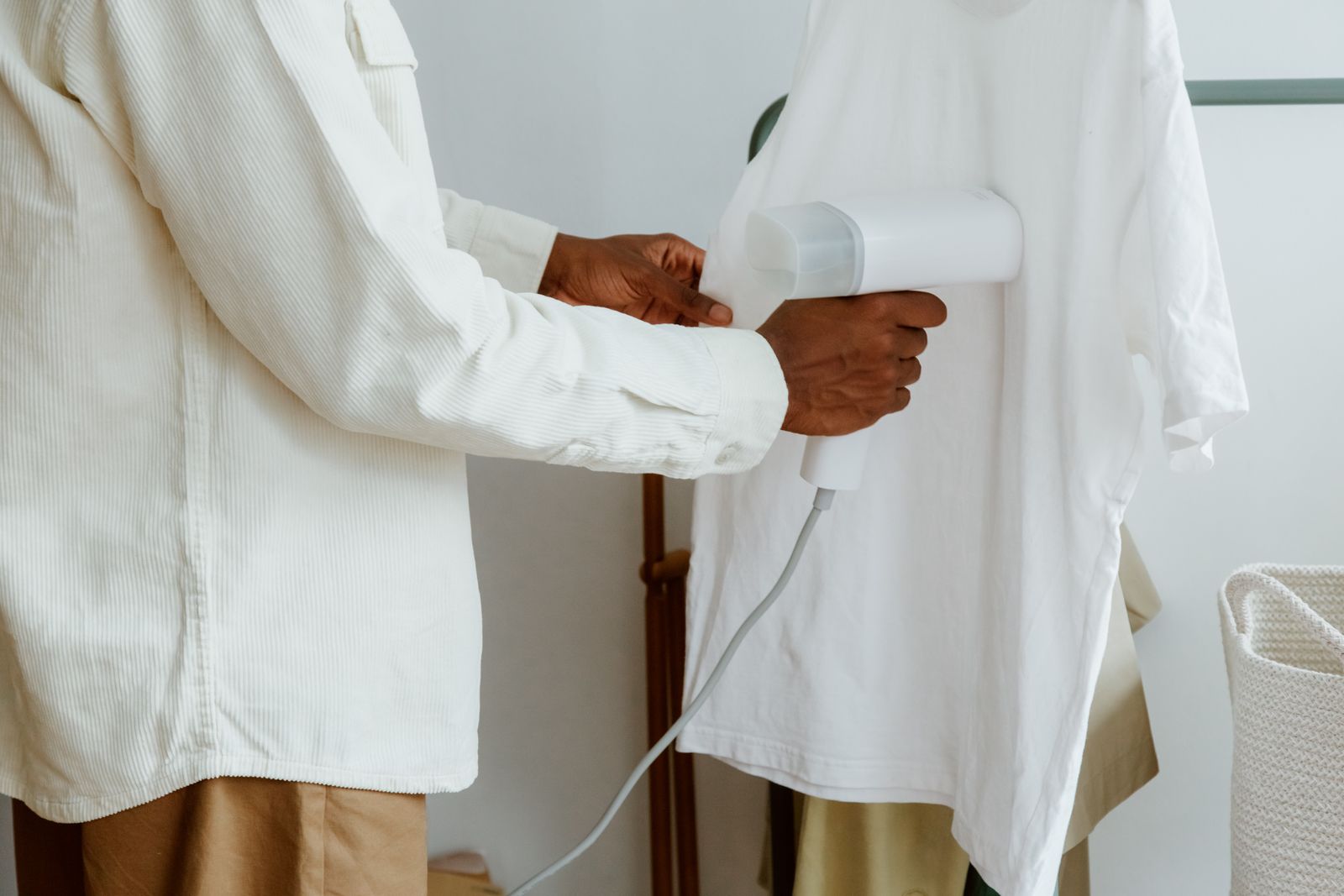
The fundamental distinction is contact. An iron presses a hot metal plate directly against fabric on a flat surface, flattening fibers for a sharp, crisp finish. A steamer never touches the fabric with heat directly; it relaxes wrinkles by penetrating fibers with hot vapor while the garment hangs.
That single difference drives everything else. Irons deliver structure and sharp creases, while steamers deliver speed and gentleness. Understanding which quality you value most is the first step to choosing correctly.
When an Iron Is the Right Choice
An iron remains unbeatable for anyone who needs a polished, professional look. If your wardrobe includes dress shirts, tailored trousers, or anything that needs a knife-sharp crease, nothing matches a good iron.
Irons also handle heavy fabrics like cotton, linen, and denim far better than steamers, because those stiff fibers need direct pressure to lie flat. For a step-by-step on getting that crisp result, our guide on how to iron a dress shirt properly walks through the exact sequence.
Iron Advantages at a Glance
- Crisp creases: The only tool that produces truly sharp pleats and collar lines.
- Heavy fabrics: Presses cotton, linen, and denim smooth in a way steam cannot.
- Precision: Great for detailed areas like cuffs, plackets, and pockets.
- Lower cost per use: A basic iron and board last for years.
When a Steamer Wins
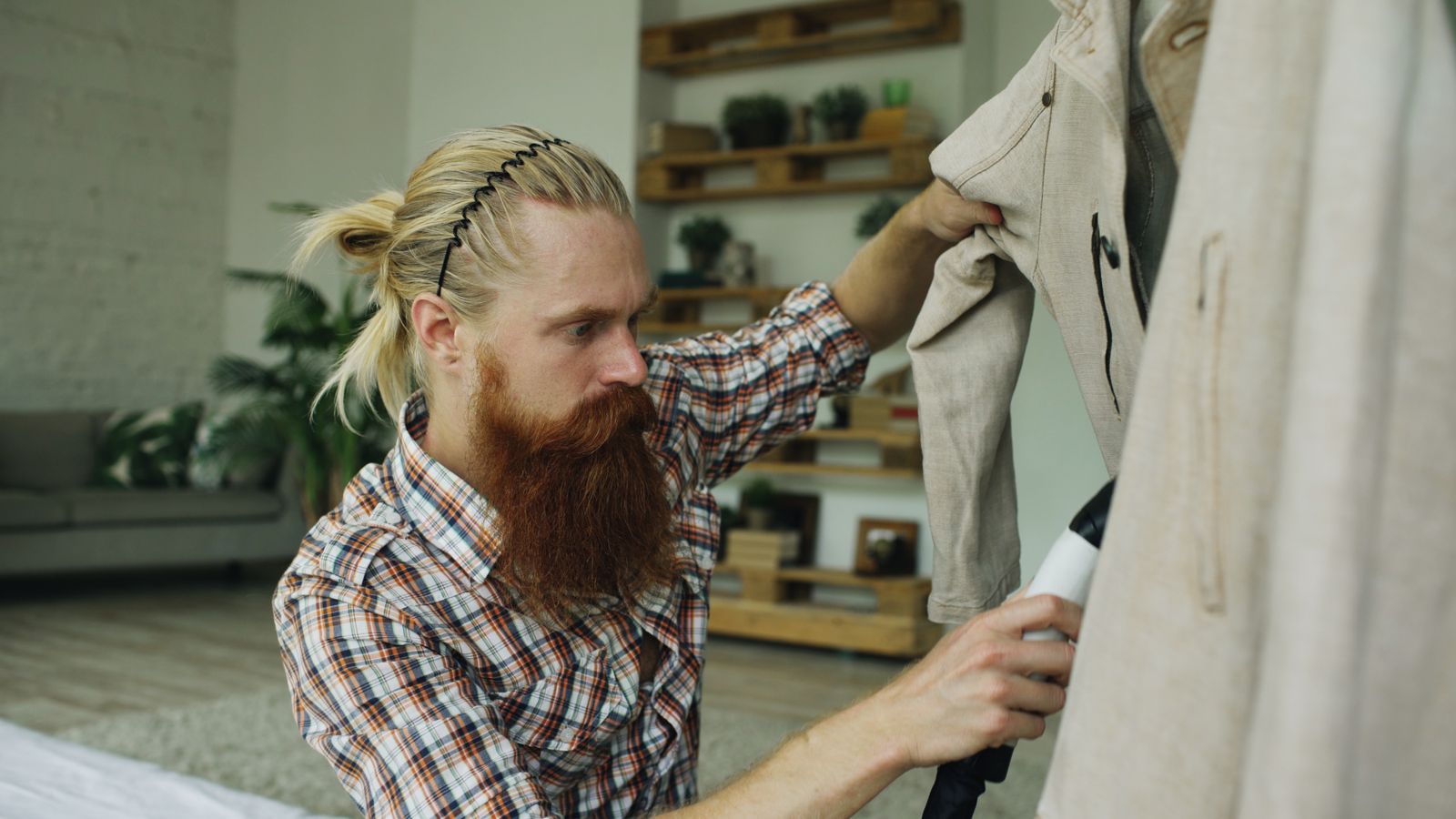
A steamer is the champion of speed and delicate fabrics. If your closet leans toward dresses, blouses, suits, silk, and synthetics, a steamer refreshes them in a fraction of the time with no risk of a shiny scorch mark.
Steamers are also gentler on embellished or structured garments that an iron could flatten or damage. They double as a quick refresher between wears, releasing odors and light wrinkles without a full wash. For truly delicate pieces, pair steaming with the tips in our silk care guide to keep them looking their best.
Steamer Advantages at a Glance
- Speed: Smooths a garment on the hanger in under a minute, no board required.
- Fabric safety: No hot plate means far less risk of scorching or shine.
- Delicates and structure: Handles silk, suits, and beaded items with ease.
- Space-saving: A handheld model tucks into a drawer, ideal for small homes.
Matching the Tool to Your Fabrics
The clearest way to decide is to look at what actually hangs in your closet. Fabric type is the single best predictor of which tool you will reach for daily.
Choose an iron if you mostly wear cotton dress shirts, chinos, linen, and anything needing structure. Choose a steamer if your staples are knits, dresses, blouses, suits, and delicate synthetics. If you are honest about your real wardrobe, the answer usually becomes obvious.
Do You Actually Need Both?
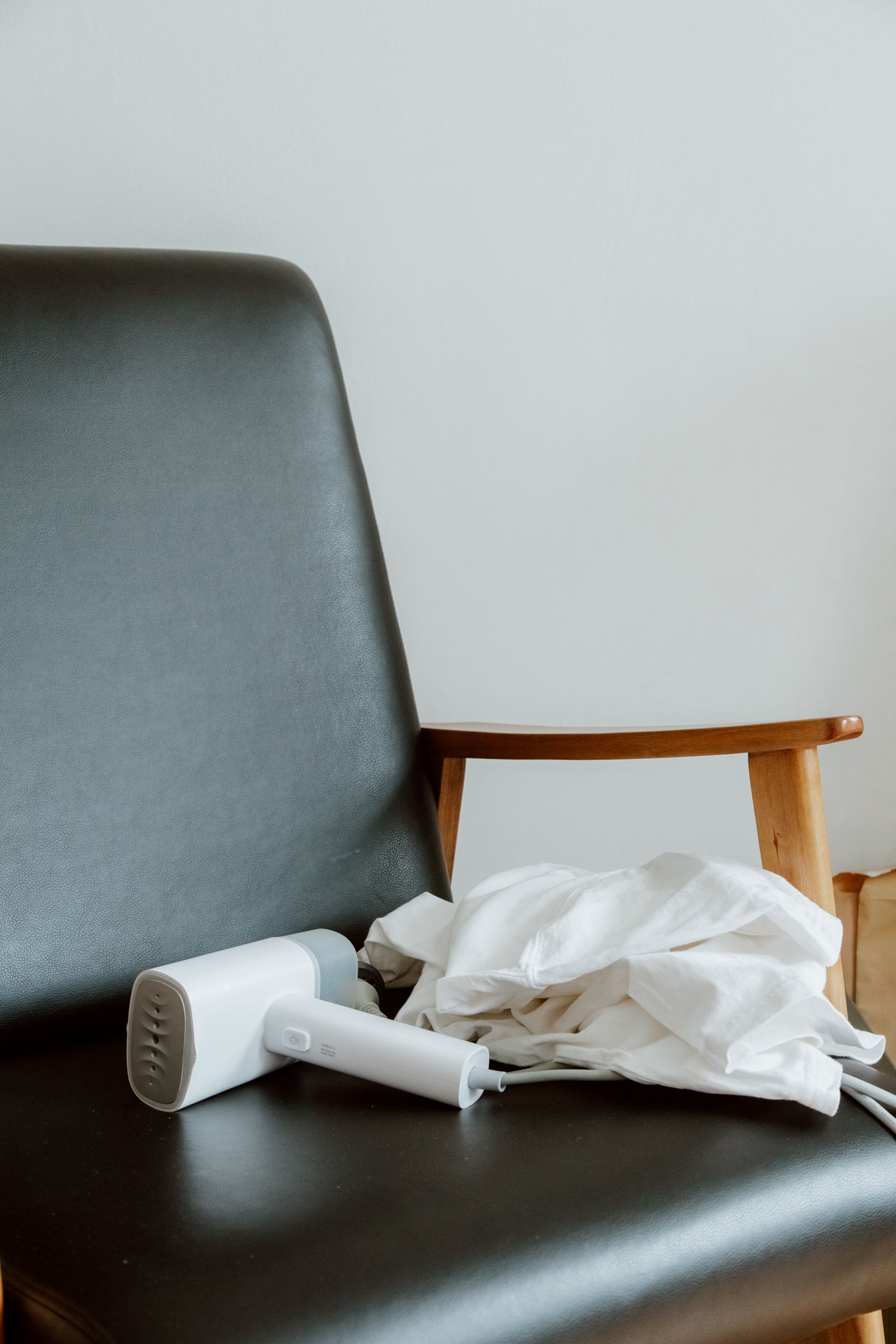
For many people, owning both is genuinely worthwhile, and they cost less together than one high-end appliance. Keep an iron for crisp shirts and tailored pieces, and a handheld steamer for quick touch-ups and delicates.
If space or budget forces a single choice, think about your mornings. Someone who irons dress shirts for work should pick the iron; someone who mostly refreshes dresses and knits will be happier with a steamer. In a tight home, a compact steamer often wins simply because it needs no bulky board. Our small-apartment laundry corner guide shows how to fit either tool into limited space.
Safety and Care Tips for Both
Whichever you choose, a few habits protect both your clothes and yourself. Always empty the water tank after use to prevent mineral buildup, and use distilled water if your tap water is hard.
Never leave a hot iron face-down on fabric, and keep steamers upright to avoid spitting hot water. Test the heat setting on an inconspicuous seam before pressing anything valuable. For energy-conscious households, the Department of Energy’s Energy Savings Hub notes that batching your pressing and steaming saves both time and electricity.
In the end, the steamer versus iron question comes down to your fabrics and your routine. Take five minutes to look at what you wear most this week, match it to the strengths above, and you will know exactly which tool deserves a spot in your closet.
Cost, Convenience, and Learning Curve
Beyond fabric performance, the practical realities of price and ease of use often tip the decision. A basic iron plus a board runs about twenty to forty dollars, while a decent handheld steamer starts around thirty. High-end versions of either can climb well past a hundred, but you rarely need to spend that much for everyday results.
Convenience favors the steamer for quick jobs. There is no board to set up and no waiting for a heavy plate to cool before you put it away. The iron, however, rewards a little practice; once you learn the rhythm of pressing sleeves and collars, it delivers a finish a steamer simply cannot match.
Ease of Use
Steamers are nearly foolproof, which makes them ideal for anyone intimidated by ironing. You hang the garment, wait for the steam, and glide the head down the fabric. Irons demand more attention to temperature settings and technique, but the learning curve is short and the payoff is a crisper look.
Common Mistakes People Make
Whichever tool you own, a few avoidable errors trip up most people. Learning them saves both frustration and damaged clothes.
- Ironing at the wrong temperature: Too hot scorches delicates, too cool leaves wrinkles. Match the dial to the fabric.
- Steaming heavy cotton: Steam relaxes light wrinkles but cannot press stiff fabrics crisp, leading to disappointment.
- Using tap water in hard-water areas: Minerals clog both tools and can spit white residue onto clothes.
- Skipping the fabric test: Always check a hidden seam before pressing or steaming anything valuable.
Avoid these and either tool will serve you well for years. The right technique matters more than the price tag on the appliance itself.
Frequently Asked Questions
Can a steamer replace an iron completely?
For a wardrobe of knits, dresses, and synthetics, largely yes. But if you regularly wear cotton dress shirts or need sharp creases in trousers, a steamer will never fully replace an iron.
Is steaming safe for all fabrics?
Steam is gentle and safe for most fabrics, including many labeled do-not-iron. The main exceptions are waxed or heat-sensitive coatings and some suede or leather trims, so always check the care label first.
What About Steam Irons and Travel Options?
The market has blurred the line between the two tools, which adds a few more choices worth understanding. A steam iron combines a hot plate with a burst-of-steam function, giving you crisp pressing plus a little wrinkle-relaxing power in one device. It is the most versatile single tool for a mixed wardrobe.
For travelers, compact options make the decision easier. A travel-size steamer weighs almost nothing and refreshes clothes straight from a suitcase, while a mini travel iron tackles collars and cuffs in a hotel room. If you split your time between home and the road, a full-size tool for home and a travel version for trips is a sensible pairing.
Hanging Steamers for Larger Households
Families or anyone with a large wardrobe might consider a standing steamer with a full water tank and a telescoping pole. These heat quickly, run for a long time without refilling, and make short work of a whole rack of clothes, though they take up more floor space than a handheld unit.
Whatever combination you land on, the guiding principle stays the same. Buy for the clothes you actually wear and the space you actually have, not for an idealized wardrobe. A tool that fits your real routine is the one you will keep reaching for, and that consistency is what keeps your clothes looking sharp week after week.

Felipe Amaral writes about laundry and clothing care for real life — small apartments, busy weeks and clothes you actually want to last. Based in Denver, Colorado, he’s made every laundry mistake in the book so you don’t have to.